
Pre-order
Overall ranking

Equihash
·
ZEC
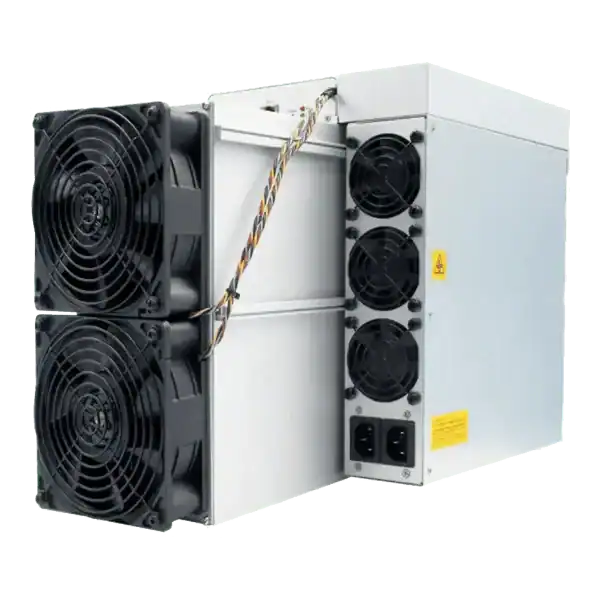
Overall rank#1of 100AvailableAll: #2 / 831


Pre-OrderFree Shipping
Hashrate
525KSOL
Efficiency
4.73W/KSOL
Power
2483W
Earns/kWh
42.0p
Bitcoin Core 30.3 guide covering excessive chainstate I/O, regular compaction, wallet bump and coin-selection fixes, PSBT, MuSig2 and build maintenance.

This guide explains Bitcoin Core 30.3 release in plain English. It summarises the important changes, who they affect and what should be checked before an upgrade.
Bitcoin Core 30.3 release: Fixes cover conflicting transactions in removeprunedfunds, an unavailable combined bump-fee crash, a coin-selection amount treated as boolean and outpoint-based input-size estimation.
A node operator is checking Bitcoin Core 30.3 release. Capture disk throughput, latency and write amplification before and after the canary. Regular chainstate compaction and disabled LevelDB seek compaction address repeated large rewrites.
Regular chainstate compaction and disabled LevelDB seek compaction address repeated large rewrites. Capture disk throughput, latency and write amplification before and after the canary.
The lifetime of precomputed transaction data is corrected. Re-run validation and reorganisation tests and compare accepted and rejected blocks and transactions.
Fixes cover conflicting transactions in removeprunedfunds, an unavailable combined bump-fee crash, a coin-selection amount treated as boolean and outpoint-based input-size estimation.

Bounds handling in PSBT signed-and-verified checks is corrected, and MuSig2 public keys are validated while deserializing public nonces and partial signatures.
PCP or NAT-PMP unauthorised failures log less noisily, while and_v() miniscript properties are corrected. Revalidate log alerts and descriptor-policy tooling.
many Qt, macOS, GCC, CMake, Guix and test fixes affect custom packages. Pin the toolchain and verify hashes and platform behaviour.
Node operators test the release on a representative non-production system. They check startup, normal operation, failure handling and restart before changing a live node. Connected wallets, monitoring and mining services should also be checked.
Bitcoin Core 30.3 release: Fixes cover conflicting transactions in removeprunedfunds, an unavailable combined bump-fee crash, a coin-selection amount treated as boolean and outpoint-based input-size estimation.
Regular chainstate compaction and disabled LevelDB seek compaction address repeated large rewrites.
The lifetime of precomputed transaction data is corrected. Re-run validation and reorganisation tests and compare accepted and rejected blocks and transactions.
Fixes cover conflicting transactions in removeprunedfunds, an unavailable combined bump-fee crash, a coin-selection amount treated as boolean and outpoint-based input-size estimation.
Bitcoin Core 30.3 repairs a potentially costly storage pattern and several custody-adjacent wallet paths. Operators should prove both the I/O improvement and every affected signing or fee workflow before wider deployment.
Check the current specification status and the documentation for the exact implementation you operate before moving production funds or changing a mining node.


Bitcoin Core 29.4 guide covering repeated chainstate rewrites, regular compaction, LevelDB seek compaction, transaction-data lifetime and wallet sizing fixes.

Bitcoin Core 31.1 guide covering the private-broadcast IP leak fix, proxy reconnections, chainstate compaction, BDB migration and settings-write safety.

Bitcoin Core 31.0 guide covering cluster mempool, RBF, private broadcast, package relay, embedded asmap, cache memory, RPC and setting migrations.

Join the ASIC Mining Discussion
Members can read and join the discussion
Log in to read comments from other miners. Create a free account if you would like to ask a question or share your experience.
Membership helps us protect the discussion from spam and keep answers useful.