

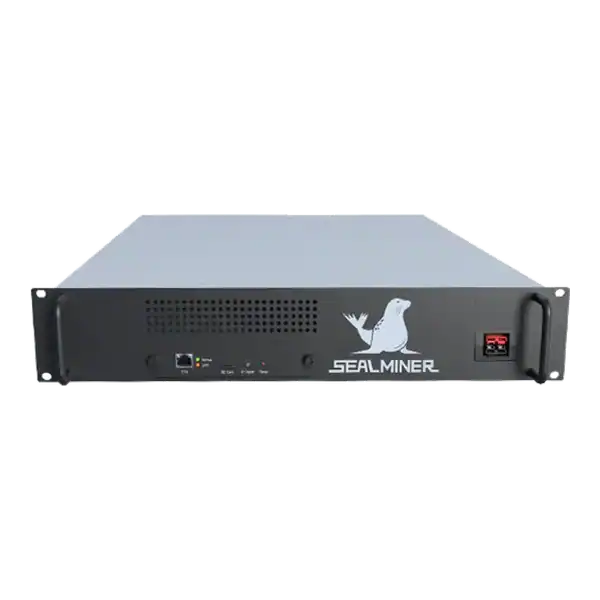
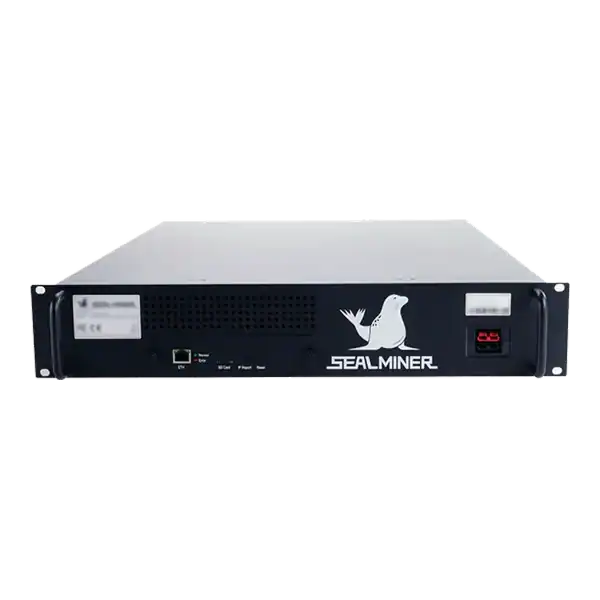
Sealminer DL1 Hydro
Litecoin & Dogecoin ASIC Miner
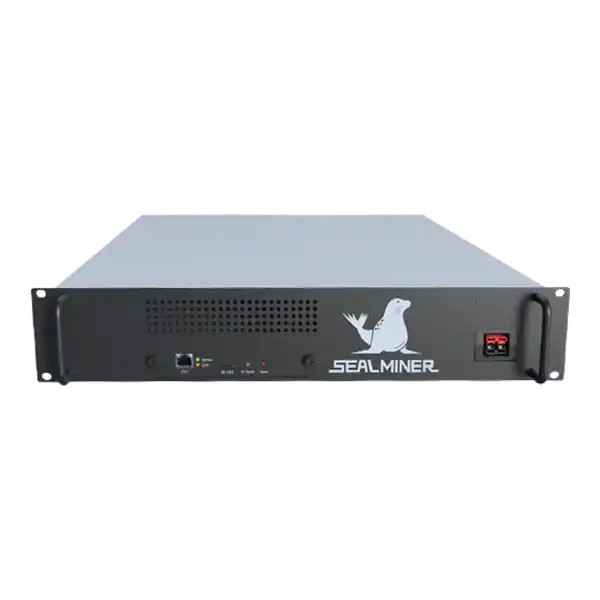

52.5GH
HASHRATE
149W/GH
EFFICIENCY
7823W
POWER
£773.15
EST. MONTHLY
NO PAYBACK
EST. ROI
BIP 387 guide to multi_a and sortedmulti_a tapscript descriptors, thresholds, x-only keys, derivation, sorting, limits, checksums and wallet testing.
This guide explains BIP 387 Tapscript Multisig Output Script Descriptors in plain English. It covers the problem behind the BIP, why it matters and whether the proposal is part of Bitcoin today.
BIP 387 Tapscript Multisig Output Script Descriptors: multi_a and sortedmulti_a are tapscript expressions and may occur only within tr(). They are not drop-in replacements for legacy multi or sortedmulti in arbitrary descriptor positions.
A node operator is checking BIP 387 Tapscript Multisig Output Script Descriptors. Sortedmulti_a sorts the derived x-only public keys lexicographically before constructing the script.
BIP 387 is Deployed, Informational, at the Applications layer and requires the general descriptor rules in BIP 380. Deployed describes ecosystem specification status rather than a separate consensus activation.
multi_a and sortedmulti_a are tapscript expressions and may occur only within tr(). They are not drop-in replacements for legacy multi or sortedmulti in arbitrary descriptor positions.
The threshold k must be no greater than the number of keys n. The specification permits at most 999 keys, while real wallets should impose smaller resource and review limits appropriate to their signers.

The first x-only public key is checked with CHECKSIG, later keys are accumulated with CHECKSIGADD, and NUMEQUAL compares the total with k. Key order therefore affects the resulting script.
sortedmulti_a sorts the derived x-only public keys lexicographically before constructing the script. Sorting occurs after derivation, which matters when key expressions contain ranges or wildcards.
When several extended keys are ranged, they derive the same child index together. Wallets must compare receive and change derivations at multiple indices, not just the descriptor text.
Developers test the proposal with made-up data on an isolated test network. They check normal cases and deliberately invalid cases. Different implementations should reach the same result before anyone relies on the proposal.
BIP 387 Tapscript Multisig Output Script Descriptors: multi_a and sortedmulti_a are tapscript expressions and may occur only within tr().
BIP 387 is Deployed, Informational, at the Applications layer and requires the general descriptor rules in BIP 380.
multi_a and sortedmulti_a are tapscript expressions and may occur only within tr().
The threshold k must be no greater than the number of keys n.
BIP 387 standardises two useful tapscript threshold-policy expressions. Reliable wallet interoperability comes from preserving context, derivation and sorting rules exactly and verifying the resulting scripts independently on every participating system.
Check the current specification status and the documentation for the exact implementation you operate before moving production funds or changing a mining node.

BIP 450 guide to Draft Formosa themed mnemonic stories, entropy and checksum mapping, theme JSON, BIP39 conversion, passphrases and recovery safety.
BIP 393 guide to Draft descriptor annotations for birth height, gap limit and Silent Payment max label, checksum rules, parsing and recovery safety.
BIP 392 guide to Draft sp() descriptors, spscan and spspend encodings, watch-only and full-wallet forms, key origins, recovery and validation.
Join the ASIC Mining Discussion
Members can read and join the discussion
Log in to read comments from other miners. Create a free account if you would like to ask a question or share your experience.
Membership helps us protect the discussion from spam and keep answers useful.