
Pre-order
Overall ranking

Equihash
·
ZEC
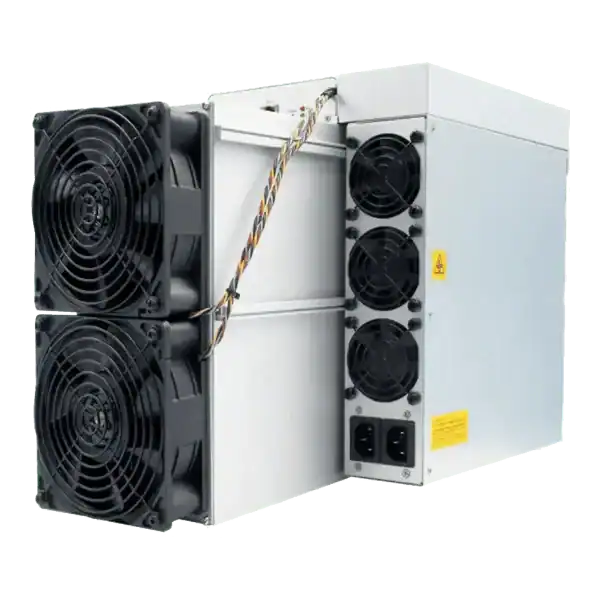
Overall rank#1of 100AvailableAll: #2 / 831


Pre-OrderFree Shipping
Hashrate
525KSOL
Efficiency
4.73W/KSOL
Power
2483W
Earns/kWh
42.0p
Bitcoin Core 29.4 guide covering repeated chainstate rewrites, regular compaction, LevelDB seek compaction, transaction-data lifetime and wallet sizing fixes.

This guide explains Bitcoin Core 29.4 release in plain English. It summarises the important changes, who they affect and what should be checked before an upgrade.
Bitcoin Core 29.4 release: Affected nodes could repeatedly rewrite large parts of chainstate during normal operation. Compare device bytes written, IOPS, latency, queue depth and free space before and after upgrade.
A node operator is checking Bitcoin Core 29.4 release. Document why the 29.x branch remains selected and its support horizon. Do not infer Core 30 wallet fixes or Core 31 cluster-mempool and private-broadcast behaviour.
Affected nodes could repeatedly rewrite large parts of chainstate during normal operation. Compare device bytes written, IOPS, latency, queue depth and free space before and after upgrade.
The coins database now compacts regularly and the bundled LevelDB disables seek compaction. Plan temporary compaction I/O and distinguish healthy maintenance from the old rewrite loop.
The lifetime of precomputed transaction data is corrected. Exercise block connection, disconnection and reorganisation workloads and compare outcomes with a reference node.

Wallet estimation uses the outpoint when estimating input size. Test varied script types, watch-only information and funded-transaction fee calculations.
The release updates SQLite CMake integration, SOURCE_DATE_EPOCH handling, newer Boost compatibility and CI infrastructure. Custom builds need pinned dependencies and repeatable artefact checks.
Document why the 29.x branch remains selected and its support horizon. Do not infer Core 30 wallet fixes or Core 31 cluster-mempool and private-broadcast behaviour.
Node operators test the release on a representative non-production system. They check startup, normal operation, failure handling and restart before changing a live node. Connected wallets, monitoring and mining services should also be checked.
Bitcoin Core 29.4 release: Affected nodes could repeatedly rewrite large parts of chainstate during normal operation.
Affected nodes could repeatedly rewrite large parts of chainstate during normal operation.
The coins database now compacts regularly and the bundled LevelDB disables seek compaction.
The lifetime of precomputed transaction data is corrected. Exercise block connection, disconnection and reorganisation workloads and compare outcomes with a reference node.
Bitcoin Core 29.4 addresses storage wear and performance on the maintained 29.x branch. A successful upgrade is show by measured I/O improvement and unchanged validation and wallet results, not merely a restarted process.
Check the current specification status and the documentation for the exact implementation you operate before moving production funds or changing a mining node.

Bitcoin Core 31.1 guide covering the private-broadcast IP leak fix, proxy reconnections, chainstate compaction, BDB migration and settings-write safety.

Bitcoin Core 30.3 guide covering excessive chainstate I/O, regular compaction, wallet bump and coin-selection fixes, PSBT, MuSig2 and build maintenance.

Bitcoin Core 31.0 guide covering cluster mempool, RBF, private broadcast, package relay, embedded asmap, cache memory, RPC and setting migrations.

Join the ASIC Mining Discussion
Members can read and join the discussion
Log in to read comments from other miners. Create a free account if you would like to ask a question or share your experience.
Membership helps us protect the discussion from spam and keep answers useful.