

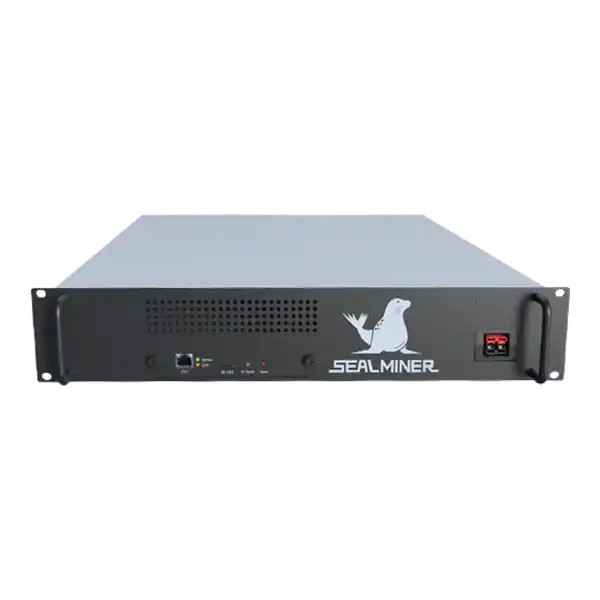
Sealminer DL1 Hydro
Litecoin & Dogecoin ASIC Miner

52.5GH
HASHRATE
149W/GH
EFFICIENCY
7823W
POWER
£773.15
EST. MONTHLY
NO PAYBACK
EST. ROI
Bitcoin Core 25.0 guide covering relay policy, scanblocks, RPC changes, compact-filter rescans, Miniscript spending, settings and threshold binary verification.

This guide explains Bitcoin Core 25.0 release in plain English. It summarises the important changes, who they affect and what should be checked before an upgrade.
Bitcoin Core 25.0 release: Funding RPCs gain confirmation bounds, listdescriptors gains next_index, warning becomes a warnings array, and Core can spend supported P2WSH Miniscript descriptors.
A node operator is checking Bitcoin Core 25.0 release. Mempool and relay policy permits non-witness transactions of 65 bytes or more. Verifychain returns false when checks cannot complete, sendrawtransaction gains maxburnamount and duplicate named parameters are rejected.
Mempool and relay policy permits non-witness transactions of 65 bytes or more. This is policy, not a consensus relaxation, and downstream services must not equate relay with confirmation.
scanblocks finds block hashes relevant to descriptors using the compact-filter index. Descriptor-wallet rescans can also use the index, which is not built by default.
All methods accept the named args convenience parameter. Verifychain returns false when checks cannot complete, sendrawtransaction gains maxburnamount and duplicate named parameters are rejected.

Funding RPCs gain confirmation bounds, listdescriptors gains next_index, warning becomes a warnings array, and Core can spend supported P2WSH Miniscript descriptors.
Explicit checkblocks or checklevel failures can stop startup, ports are validated, blocksonly reduces mempool memory and maxconnections zero affects dnsseed and listen defaults.
shutdownnotify runs synchronously before shutdown begins. Port mapping build defaults were removed, so exposure must be configured explicitly rather than inherited accidentally.
Node operators test the release on a representative non-production system. They check startup, normal operation, failure handling and restart before changing a live node. Connected wallets, monitoring and mining services should also be checked.
Bitcoin Core 25.0 release: Funding RPCs gain confirmation bounds, listdescriptors gains next_index, warning becomes a warnings array, and Core can spend supported P2WSH Miniscript descriptors.
Mempool and relay policy permits non-witness transactions of 65 bytes or more.
scanblocks finds block hashes relevant to descriptors using the compact-filter index.
All methods accept the named args convenience parameter. Verifychain returns false when checks cannot complete, sendrawtransaction gains maxburnamount and duplicate named parameters are rejected.
Core 25.0 affects policy, automation and wallet operations. A safe upgrade pins the new schemas and defaults, treats the compact-filter index as a managed dependency and records threshold signature verification.
Check the current specification status and the documentation for the exact implementation you operate before moving production funds or changing a mining node.


Bitcoin Core 29.4 guide covering repeated chainstate rewrites, regular compaction, LevelDB seek compaction, transaction-data lifetime and wallet sizing fixes.

Bitcoin Core 31.1 guide covering the private-broadcast IP leak fix, proxy reconnections, chainstate compaction, BDB migration and settings-write safety.

Bitcoin Core 30.3 guide covering excessive chainstate I/O, regular compaction, wallet bump and coin-selection fixes, PSBT, MuSig2 and build maintenance.
Join the ASIC Mining Discussion
Members can read and join the discussion
Log in to read comments from other miners. Create a free account if you would like to ask a question or share your experience.
Membership helps us protect the discussion from spam and keep answers useful.