

Sealminer A4 Ultra Hydro
Bitcoin & Bitcoin Cash ASIC Miner
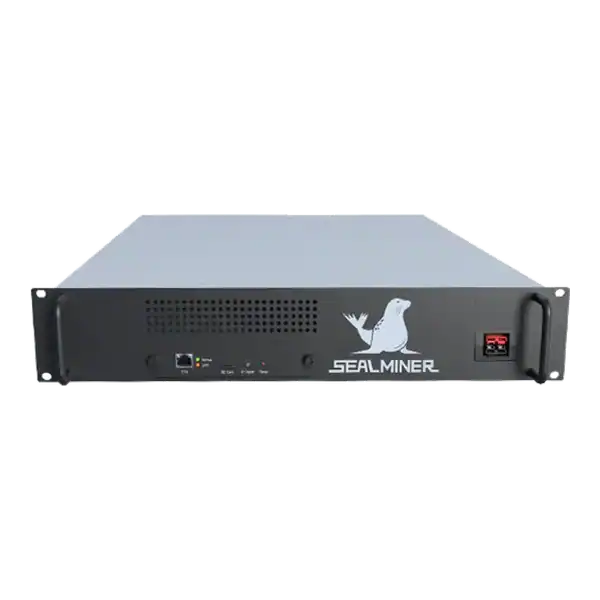

886TH
HASHRATE
9.45W/TH
EFFICIENCY
8373W
POWER
£853.81
EST. MONTHLY
NO PAYBACK
EST. ROI
Bitcoin Core 25 scanblocks guide covering compact-filter index prerequisites, descriptors, ranges, false positives, status, abort, pruning and verified rescans.

This guide explains Bitcoin Core scanblocks RPC in plain English. It shows what the command does, what its result means and what it cannot prove.
Bitcoin Core scanblocks RPC: The node must construct the compact filter index with blockfilterindex enabled. Confirm index readiness with getindexinfo before starting.
A miner is checking Bitcoin Core scanblocks RPC. Confirm index readiness with getindexinfo before starting. A configured option is not evidence of completion. Validate descriptors, scan a bounded range, fetch candidate blocks, rescan wallet history, compare transactions and UTXOs with independent records, then extend the range only when evidence requires it.
The node must construct the compact filter index with blockfilterindex enabled. Confirm index readiness with getindexinfo before starting; a configured option is not evidence of completion.
start performs a scan and returns only when complete, status reports approximate progress and current height, and abort requests cancellation. An abort true result does not promise instant termination.
Each item is a descriptor string or an object with desc and an optional range. Ranged HD descriptors default to 1000, so choose bounds from recovery evidence rather than habit.

start_height defaults to zero and stop_height to the chain tip. Pin both for reproducible jobs and preserve the observed tip hash so reorganisations can be reconciled.
By default relevant_blocks may include compact-filter false positives. Filtering those requires block access, is slower and may fail on pruned nodes; every candidate still needs full verification.
The call may take minutes, and official examples recommend no RPC client timeout. Use one controlled scan, poll status separately and prevent competing jobs from confusing operators.
Validate descriptors, scan a bounded range, fetch candidate blocks, rescan wallet history, compare transactions and UTXOs with independent records, then extend the range only when evidence requires it. Build a revision-pinned evidence pack on an isolated node, wallet or protocol harness. Record source commit, binary hash, network, chain identity, configuration and dependencies.
Bitcoin Core scanblocks RPC: The node must construct the compact filter index with blockfilterindex enabled.
The node must construct the compact filter index with blockfilterindex enabled. Confirm index readiness with getindexinfo before starting.
start performs a scan and returns only when complete, status reports approximate progress and current height, and abort requests cancellation.
Each item is a descriptor string or an object with desc and an optional range.
scanblocks accelerates discovery by narrowing the block set, but it does not complete wallet recovery. Reliable use preserves descriptor and range evidence, verifies candidates against blocks and reconciles the resulting wallet history.
Check the current specification status and the documentation for the exact implementation you operate before moving production funds or changing a mining node.
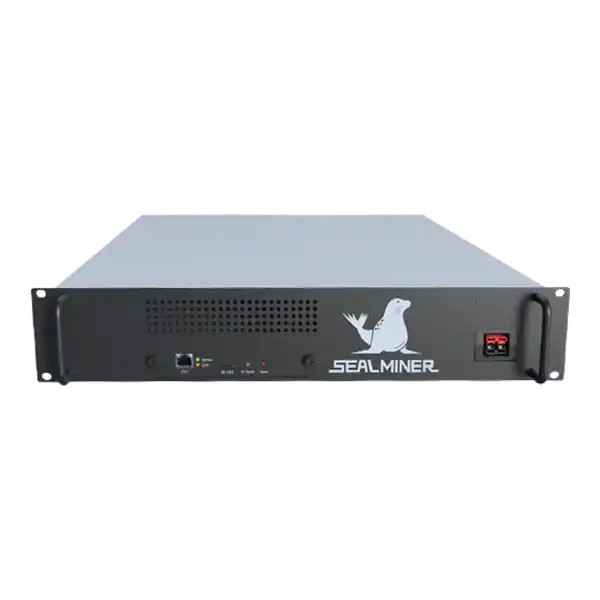

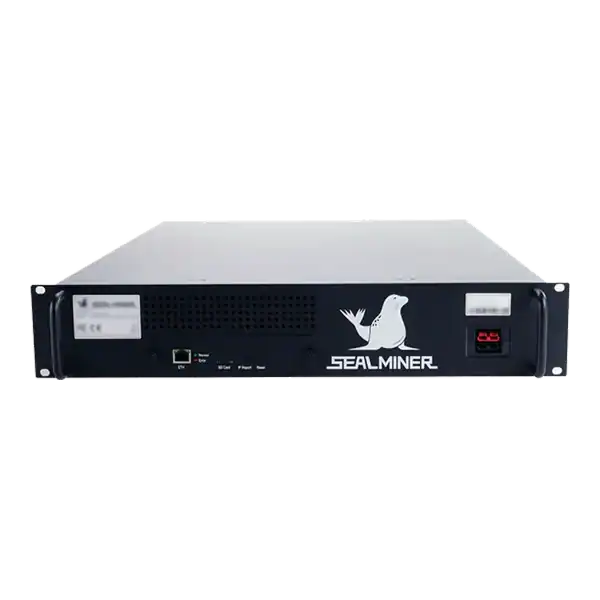
Bitcoin Core waitfornewblock RPC made simple. See what the feature does, where its limits sit and which checks node or wallet operators should make.

Bitcoin Core waitforblockheight guide covering at-least height waits, timeout returns, response checks, reorganisations, client limits and reliable automation.
Bitcoin Core waitforblock RPC made simple. See what the feature does, where its limits sit and which checks node or wallet operators should make.
Join the ASIC Mining Discussion
Members can read and join the discussion
Log in to read comments from other miners. Create a free account if you would like to ask a question or share your experience.
Membership helps us protect the discussion from spam and keep answers useful.