

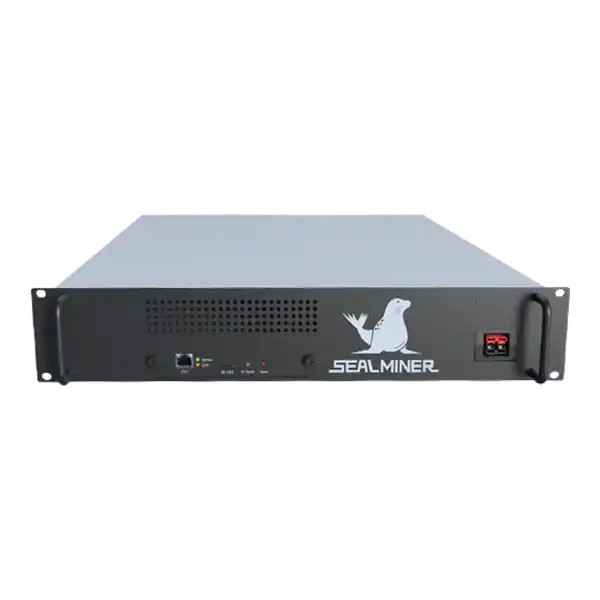
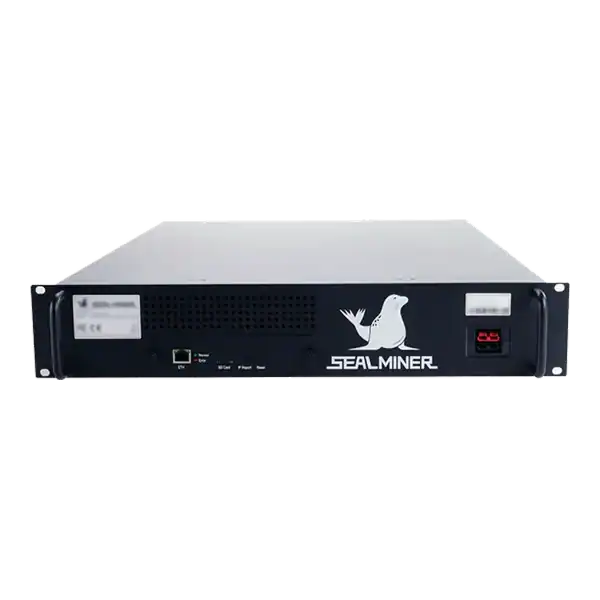
Sealminer A4 Ultra Hydro
Bitcoin & Bitcoin Cash ASIC Miner
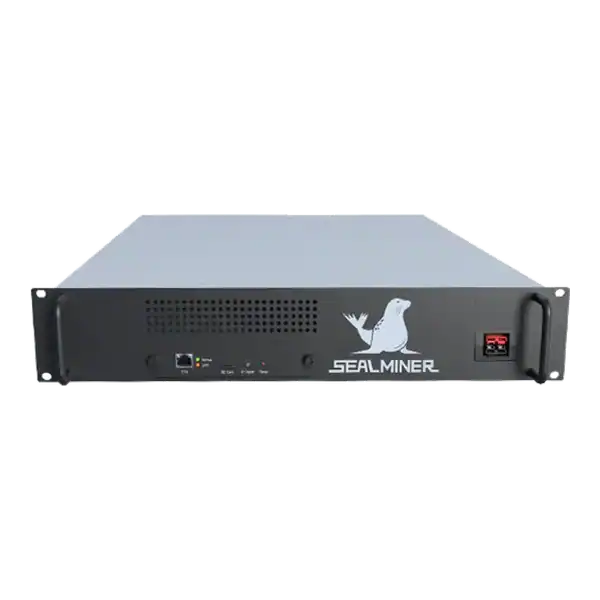

886TH
HASHRATE
9.45W/TH
EFFICIENCY
8373W
POWER
£820.82
EST. MONTHLY
NO PAYBACK
EST. ROI
BIP 433 guide to Draft keyless Pay to Anchor outputs, CPFP fee bumping, standardness, ephemeral dust, TRUC anti-pinning and wallet safety.
This guide explains BIP 433 Pay to Anchor (P2A) in plain English. It covers the problem behind the BIP, why it matters and whether the proposal is part of Bitcoin today.
BIP 433 Pay to Anchor (P2A): The pattern gives a presigned parent transaction a small hook for later CPFP when the required feerate is known.
A node operator is checking BIP 433 Pay to Anchor (P2A). Watchtowers can bump without receiving special anchor keys. BIP 433 is Draft and Informational at the applications layer.
BIP 433 is Draft and Informational at the applications layer. It documents a standard output and spending policy rather than changing consensus validity.
The P2A script is OP_1 followed by the two-byte 0x4e73 witness program. Its published mainnet, testnet and regtest addresses are fixed representations, not user-derived custody addresses.
A standard P2A input carries no witness. There is no privileged key, so any party can attach a child that contributes fees to the package.

The pattern gives a presigned parent transaction a small hook for later CPFP when the required feerate is known. Watchtowers can bump without receiving special anchor keys.
Public spendability also lets an adversary attach an undesirable child. The BIP recommends considering TRUC topology limits and other anti-pinning measures rather than treating P2A alone as protection.
P2A and ephemeral dust are distinct. Its default dust threshold is 240 satoshis; ephemeral-dust rules may allow a single dust output in a zero-fee parent that is spent within a package.
Developers test the proposal with made-up data on an isolated test network. They check normal cases and deliberately invalid cases. Different implementations should reach the same result before anyone relies on the proposal.
BIP 433 Pay to Anchor (P2A): The pattern gives a presigned parent transaction a small hook for later CPFP when the required feerate is known.
BIP 433 is Draft and Informational at the applications layer. It documents a standard output and spending policy rather than changing consensus validity.
The P2A script is OP_1 followed by the two-byte 0x4e73 witness program.
A standard P2A input carries no witness. There is no privileged key, so any party can attach a child that contributes fees to the package.
P2A is a deliberately keyless fee-bump hook, not a protected output. It is useful when combined with correct package economics, topology controls and monitoring that assumes any network participant may construct the child spend.
Check the current specification status and the documentation for the exact implementation you operate before moving production funds or changing a mining node.

BIP 128 guide to Draft timelock-recovery plan storage, presigned transaction pairs, relative delay, checksums, monitoring, cancellation and reorg safety.
What is BIP-110? Learn what Bitcoin’s reduced-data soft-fork proposal restricted, why it was controversial and why it later closed.
What is a satoshi? Learn the exact Bitcoin unit relationship, how wallets display sats, where rounding causes mistakes and what Draft BIP 172 proposes.
Join the ASIC Mining Discussion
Members can read and join the discussion
Log in to read comments from other miners. Create a free account if you would like to ask a question or share your experience.
Membership helps us protect the discussion from spam and keep answers useful.