

Sealminer DL1 Hydro
Litecoin & Dogecoin ASIC Miner
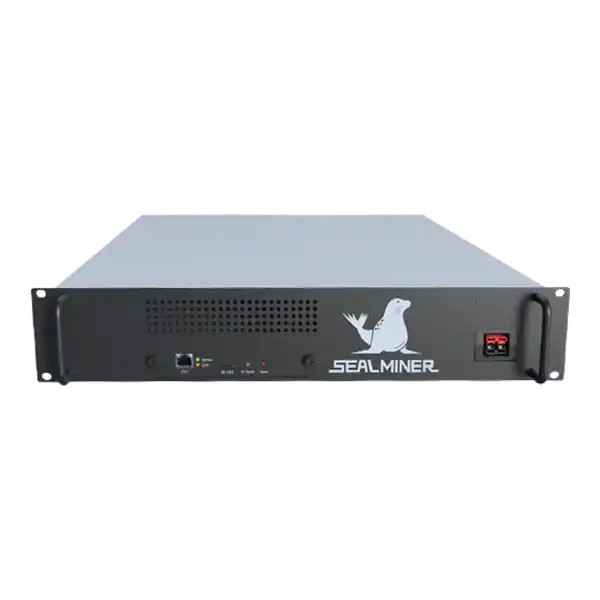

52.5GH
HASHRATE
149W/GH
EFFICIENCY
7823W
POWER
£772.66
EST. MONTHLY
NO PAYBACK
EST. ROI
Plan ASIC mining in the UK with realistic electricity, electrical, noise, tax, planning, network, insurance and hosting checks before buying hardware.
ASIC mining in the UK is not prohibited simply because it uses specialised computing hardware. But the installation and business remain subject to ordinary electrical, planning, noise, fire, tax, contract, insurance and environmental rules. The first calculation is not the miner's gross revenue.
It is the available continuous power, all-in electricity price, heat and noise route, pool terms, downtime, tax records and safe location. A professional hosting site can be more practical than a home or office that cannot support industrial load.
ASIC mining in the UK: A low-power learning miner may suit a home when its supply, ventilation and noise are controlled. A 3 to 4 kW industrial ASIC often does not suit an occupied domestic room.
A miner wants to understand ASIC mining in the UK. Use The Mining Shop UK's profitability tools, electrical and noise guidance, tax pages and hosting terms to build a written UK mining plan, then ask the team to compare a specific ASIC and site before purchase.
Record whether the project is a hobby, a sole-trader or company activity, customer hosting, equipment rental, a flexible electrical load or use of on-site generation. The legal, tax, insurance and contractual position changes with the facts.
Identify the algorithm, coin or pool, miner model, count, electrical input, cooling method, location, operator and equipment owner. Mining Bitcoin with owned equipment is not the same service as exchanging customer cryptoassets or holding customer private keys.
The FCA perimeter is activity-based. Ordinary hardware sale or self-mining does not automatically make a business an authorised exchange. But exchange, custody, arrangements and promotions require separate assessment.

Gross mining revenue changes with coin price, network difficulty, block rewards, transaction fees, pool method, rejects and uptime. Convert it using a documented exchange-rate source and period, then deduct every operating cost.
Daily energy is power in kilowatts multiplied by 24 hours. A 3.5 kW miner uses 84 kWh per full day. At 25 pence per kWh, electricity alone is GBP 21 per day before cooling, distribution loss or standing charges.
| Cost | Input to record | Common omission |
|---|---|---|
| Electricity | Unit rate, standing charge, tax and loss | Using an advertised off-peak rate for all hours |
| Site | Cooling, rent, rates and security | Treating heat removal as free |
| Pool | Fee, payout method and threshold | Counting local hashrate as accepted revenue |
| Hardware | Purchase, finance, spares and depreciation | Assuming resale value stays constant |
| Operations | Labour, network, insurance and downtime | Modelling 100 per cent uptime |
Many current industrial ASICs exceed the practical continuous capacity of a UK 13 A plug. Use the manufacturer’s voltage, maximum current and power tolerances. Do not use extension leads, domestic adaptors or a changed fuse to operate equipment beyond the connection rating.
A competent person should assess supply capacity, phase balance, cable sizing, earthing, fault level, protection, isolation, PDU, harmonics, labelling and fire risk. Several miners can require a new distribution board, three-phase work or a network-operator connection change.
HSE guidance requires electrical equipment that may cause danger to be maintained in a safe condition. Keep design, inspection, test and maintenance records and define who may isolate or restart a miner.
Almost all miner input becomes heat. Calculate the continuous thermal load at maximum credible operation and route exhaust without recirculation. Air, hydro and immersion systems need different leak, fluid, pump, filtration and emergency plans.
Industrial ASIC noise can harm hearing and create statutory nuisance at neighbouring premises. Assess worker exposure and the nearest noise-sensitive receptor. Use distance, barriers, low-noise fans, silencers and purpose-designed enclosures without restricting cooling.
A fire assessment should cover electrical faults, combustible dust, liquid systems, detection, isolation, access and emergency response. Do not install miners in an escape route or block access to switchgear.
Planning permission can be required for a material change of use, container, external plant, louvres, flues, acoustic enclosure, substation or other building work. Ask the local planning authority about the actual proposal rather than assuming a small computer activity is exempt.
Councils can investigate statutory noise nuisance. Document predicted and measured sound, operating hours and complaint response. A planning approval does not necessarily prevent later nuisance action.
A diesel or gas generator, combustion plant, waste activity, discharge or certain site operations can require an environmental permit. Use the government’s permit checks and get specialist advice before installing generation or claiming that stranded energy removes regulation.
HMRC says the tax treatment of mining depends on whether the activity amounts to a trade. Factors include organisation, risk, commerciality and scale. Mining receipts, disposals, electricity and equipment must be analysed using the actual business facts.
A VAT-registered business can recover input VAT only when the normal statutory conditions are met, including a valid VAT invoice, business use and an attributable taxable activity. Mining or acquiring cryptoassets does not automatically make every cost recoverable.
Maintain pool statements, wallet addresses, transaction IDs, sterling valuations, invoices, meter data and allocation evidence. Separate company assets and wallets from personal holdings. Get advice before relying on capital allowances or deducting mixed-use costs.
Keep miner administration on a private segmented network. Change default credentials, use official firmware, restrict remote access and log pool, worker, firmware and restart changes. Never expose each miner’s web page directly to the internet.
Verify the pool’s legal entity, country, payout method, fees, threshold, data policy and outage history. Use an independently controlled payout wallet and keep private keys outside the miner and ordinary monitoring platform.
Reconcile local hashrate with accepted pool work and received payouts. A dashboard cannot prove who controls a payout destination or that the pool will remain solvent.
A low-power learning miner may suit a home when its supply, ventilation and noise are controlled. A 3 to 4 kW industrial ASIC often does not suit an occupied domestic room.
Confirm tenancy, mortgage, insurer and local planning restrictions before operating commercial equipment.
A business site can justify engineered distribution and heat reuse. But it needs competent design and clear operational ownership. Hosting can convert the problem into a contracted service with known energy, uptime, repair, insurance and exit terms.
Compare the complete contract, not just the quoted pence per kWh.
ASIC mining in the UK: A low-power learning miner may suit a home when its supply, ventilation and noise are controlled.
Record whether the project is a hobby, a sole-trader or company activity, customer hosting, equipment rental, a flexible electrical load or use of on-site generation.
Gross mining revenue changes with coin price, network difficulty, block rewards, transaction fees, pool method, rejects and uptime.
Many current industrial ASICs exceed the practical continuous capacity of a UK 13 A plug.
ASIC mining in the UK is practical only when the operating site and records are designed as carefully as the hashrate model. Establish the legal activity, calculate all-in economics, engineer the electrical and thermal installation, control noise and fire, check permission and maintain tax, pool and wallet evidence.
When a home or office cannot meet those conditions, professional hosting is often the safer and more predictable route.
Use The Mining Shop UK’s profitability tools, electrical and noise guidance, tax pages and hosting terms to build a written UK mining plan, then ask the team to compare a specific ASIC and site before purchase.
ASIC mining is generally lawful in the UK. But the site, electrical work, noise, building use, generators, waste, tax and business activity can each create separate duties. Calculate net performance from accepted pool revenue minus electricity, pool fees, cooling, network, maintenance, downtime, finance and tax, not from a live gross-revenue card alone.
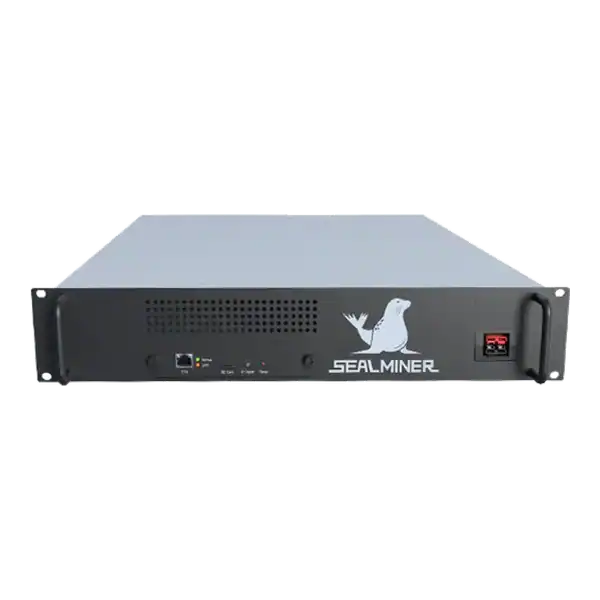

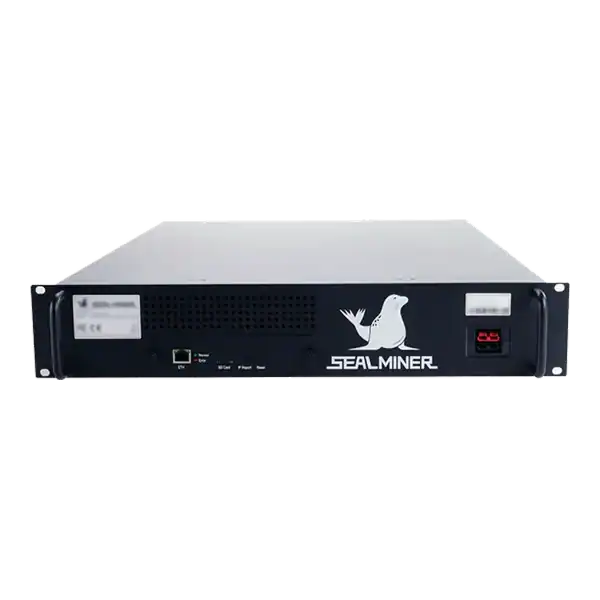

ASIC insurance coverage exclusions: review ASIC insurance exclusions for wear, electrical breakdown, overheating, corrosion, firmware, cyber events, unattended.
ASIC hardware insurance UK: prepare ASIC hardware insurance evidence for UK-owned miners: asset schedule, valuation, site, electrical controls, custody.
Claim VAT on ASIC Miners made simple. Check the UK rules, records, figures and evidence before filing a return or taking professional advice.
Join the ASIC Mining Discussion
Members can read and join the discussion
Log in to read comments from other miners. Create a free account if you would like to ask a question or share your experience.
Membership helps us protect the discussion from spam and keep answers useful.