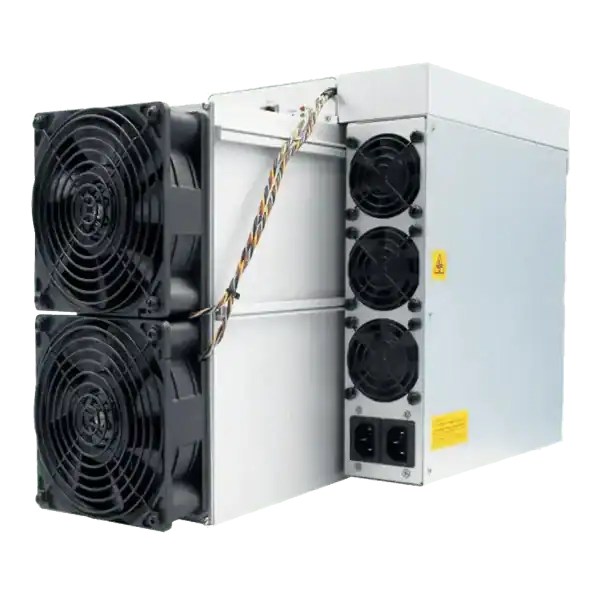
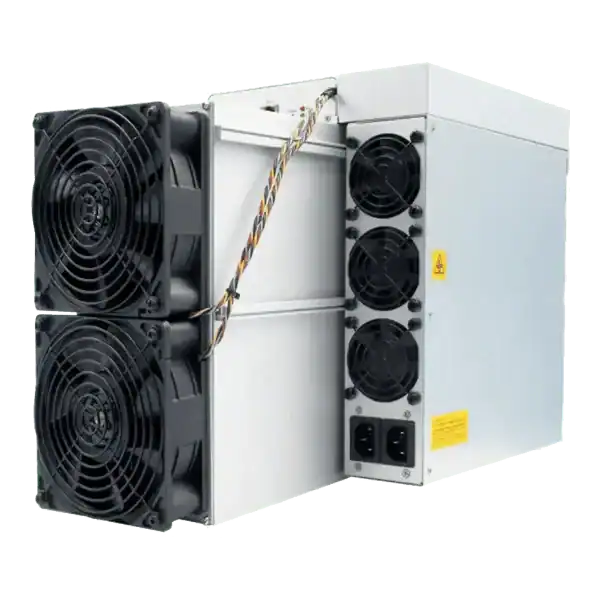
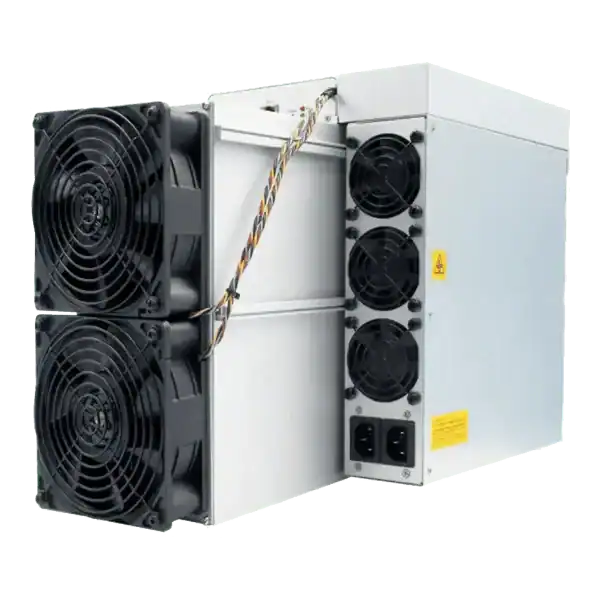
DigitalpriceClassic Mining Guide: X11 Hardware and Risks explains where DigitalpriceClassic fits in proof of work, what hardware is relevant and which facts must be checked before committing power or equipment.
TL;DR
DigitalpriceClassic Mining Guide: X11 Hardware and Risks explains where DigitalpriceClassic fits in proof of work, what hardware is relevant and which facts must be checked before committing power or equipment.
- Confirm the current DigitalpriceClassic consensus rules and active mining algorithm before choosing hardware.
- X11 compatibility does not by itself prove that a network has useful liquidity, pool support or sustainable demand.
- Use current pool, wallet, exchange and network documentation because smaller projects can change or become inactive.
- Treat revenue estimates as a comparison only and include electricity, fees, downtime and hardware resale risk.

The truth about DigitalpriceClassic is that it represents something increasingly rare in today’s hype-driven crypto landscape: a project that flew under the radar. While everyone was busy arguing about whether Dogecoin would hit a dollar or if NFTs were the development of art, DPC quietly carved out its own little niche in the vast cryptocurrency ecosystem.
Project background
To understand what makes DigitalpriceClassic tick, we need to travel back to the wild west days of 2017. This was the year when ICOs were multiplying faster than rabbits, everyone’s grandmother was asking about Bitcoin, and developers were launching new cryptocurrencies with the enthusiasm of kids opening Christmas presents.
The story about DigitalpriceClassic begins with a developer known as “progmax” on the BitcoinTalk forums, because apparently, in 2017, having a mysterious online handle was a requirement for launching cryptocurrencies. Unlike the flashy ICO launches that dominated headlines, DPC emerged from the forums with all the fanfare of a whisper in a hurricane.
The X11 Algorithm: Because Sometimes Eleven is Better Than One
Why go through all this trouble? The approach about DigitalpriceClassic using X11 was partly about ASIC resistance. In 2017, the cryptocurrency community was still wrestling with the centralization concerns that come with specialised mining hardware. By using an algorithm that required ASIC manufacturers to work significantly harder to create profitable mining equipment, X11 coins like DPC could maintain a more democratic mining landscape for longer.
The beauty of the X11 algorithm is that it’s computationally intensive enough to provide security while remaining accessible to GPU miners. This means that the facts about DigitalpriceClassic mining don’t require you to invest in specialised hardware that costs more than a small car. A decent graphics card could get you started in the DPC mining game, assuming you could find an active pool, which brings us to our next assessment.
Mining assessments: Finding Pools in the Digital Wilderness
One of the most entertaining aspects about DigitalpriceClassic is the mining ecosystem that developed around it. According to the BitcoinTalk forums, miners could point their rigs to pools with wonderfully creative names like “BlockMonsta.” The pool operator, a user named “kruanko,” ran their mining operation from a dynamic DNS address that sounded more like a secret government project than a cryptocurrency mining pool.
The mining specifications about DigitalpriceClassic tell an interesting story about the project’s ambitions. With blocks generated approximately every 5 minutes and rewards around 7.28 DPC per block, the network was designed for steady, predictable mining rather than the wild reward swings that characterize some other cryptocurrencies.
The accessibility factor about DigitalpriceClassic mining was one of its strongest selling points. Unlike Bitcoin, which had already been largely taken over by industrial mining operations, or newer coins that required current hardware, DPC remained mineable with relatively modest equipment. This democratic approach to mining reflected the broader cryptocurrency ideals of decentralization and accessibility.
The Great Address Confusion: A Cryptocurrency Comedy of Errors
Perhaps one of the most entertaining stories about DigitalpriceClassic involves what could only be described as a case of cryptocurrency identity crisis. It turns out that DPC wasn’t the only project with “DigitalPrice” in its name. There was also “DigitalPrice” (without the “Classic”), which led to some seriously confusing moments for miners and users alike.
This naming confusion reveals something important about DigitalpriceClassic’s place in the broader cryptocurrency ecosystem. The project existed in a time when creativity sometimes took a backseat to functionality, and when developers were more focused on building working systems than on creating unique brand identities. In a way, this naming overlap perfectly captures the experimental, “let’s see what works” spirit of 2017-era cryptocurrency development.
The community’s response to this confusion was characteristically pragmatic. Instead of launching legal battles or social media campaigns, they simply created clear documentation about which addresses belonged to which network and moved on. The straightforward approach about DigitalpriceClassic handling this issue reflects the no-nonsense attitude that defined the project’s development.
Technical Specifications: The Numbers Behind the Mystery
Diving deeper into the technical aspects about DigitalpriceClassic, we encounter a cryptocurrency that was designed with practical mining considerations in mind. The network maintained a difficulty level that adjusted to keep block times around 5 minutes, creating a predictable reward schedule for miners who participated in the network.
The network hashrate for DigitalpriceClassic typically hovered around 490 gigahashes per second, a respectable figure that indicated genuine mining interest without the massive industrial operations that dominated larger networks. This moderate hashrate meant that individual miners could still make meaningful contributions to network security, maintaining the decentralized spirit that cryptocurrencies were supposed to embody.
What’s particularly interesting about DigitalpriceClassic’s technical design is how it balanced security with accessibility. The X11 algorithm provided robust cryptographic security through its multi-hash approach, while the difficulty adjustments ensured that blocks continued to be found at regular intervals regardless of fluctuations in mining participation.
The block reward structure about DigitalpriceClassic followed a relatively straightforward model without the complex tokenomics that characterize many modern cryptocurrencies. Miners received their rewards directly, without complicated staking mechanisms, governance tokens, or yield farming opportunities. It was cryptocurrency mining in its purest form, solve the cryptographic puzzle, receive the reward, repeat.
The Community: Forum Warriors and Mining Enthusiasts
One of the most charming aspects about DigitalpriceClassic is the community that formed around it. Unlike the Twitter-driven hype cycles that dominate modern cryptocurrency communities, DPC’s supporters primarily gathered on BitcoinTalk forums, where they engaged in detailed technical discussions about mining optimization, pool selection, and network improvements.
Forum members offered services ranging from Greek translation (because apparently international expansion was a consideration) to graphic design work, all seemingly motivated by genuine interest in the project rather than the promise of massive financial returns. The organic nature of community growth about DigitalpriceClassic stands in stark contrast to the influencer-driven communities that have become common in modern cryptocurrency projects.
The technical competence displayed by community members was particularly impressive. Users shared detailed mining statistics, troubleshot network issues collaboratively, and maintained mining pools with minimal drama or controversy. The collaborative spirit about DigitalpriceClassic’s community exemplified the best aspects of early cryptocurrency culture.
Network role and mining relevance
Fast-forward to 2025, and the question becomes: what happened to DigitalpriceClassic? The cryptocurrency landscape has changed dramatically since 2017, with proof-of-stake networks dominating headlines and environmental concerns reshaping attitudes toward proof-of-work mining. So where does this leave X11 coins like DPC?
The current state about DigitalpriceClassic reflects the broader challenges facing smaller proof-of-work cryptocurrencies. While the network technically still exists, finding active mining pools has become significantly more challenging. The BlockMonsta pool that once served as a community hub appears to have gone the way of many small mining operations, victim to changing economics and shifting miner interests.
However, the technical infrastructure about DigitalpriceClassic remains sound. The X11 algorithm continues to function exactly as designed, and the network’s modest resource requirements mean that dedicated miners could potentially still participate. For mining enthusiasts interested in supporting smaller networks, DPC represents an opportunity to mine a cryptocurrency without competing against massive industrial operations.
The profitability considerations about DigitalpriceClassic mining in 2025 are, admittedly, challenging. With minimal exchange trading and limited market liquidity, miners would be participating more for technical interest than financial gain. But there’s something appealing about supporting a network that represents the grassroots spirit of early cryptocurrency development.
Technical design
Let’s get our hands dirty with the technical genius about DigitalpriceClassic’s choice of the X11 algorithm. This isn’t just a random selection of cryptographic functions thrown together, it’s a carefully orchestrated symphony of hash functions, each contributing to the overall security and resistance characteristics of the network.
From a mining hardware perspective, the demands about DigitalpriceClassic’s X11 algorithm create interesting optimization challenges. GPU miners need to balance memory usage, computational throughput, and power efficiency across eleven different hashing operations. This complexity initially made ASIC development more challenging and expensive, giving GPU miners a longer window of profitability.
The Economics: Understanding DPC's Place in the Crypto Economy
The economic model about DigitalpriceClassic reflects the simpler tokenomics of its era. Unlike modern cryptocurrencies with complex inflation schedules, staking rewards, and governance mechanisms, DPC followed a straightforward approach: miners solve blocks, miners get rewards, network stays secure.
The absence of complex economic mechanisms about DigitalpriceClassic is one of its strengths. There are no yield farming protocols to exploit, no governance tokens to manipulate, and no complex staking mechanisms that could create centralization pressures. It’s pure proof-of-work economics, computational effort directly translates to network participation and rewards.
Market dynamics about DigitalpriceClassic have always been modest compared to major cryptocurrencies. The project never aimed to be the next Bitcoin or Ethereum, instead focusing on creating a stable, functional network that could serve its intended purposes. This modest approach protected the project from some of the speculative bubbles that destroyed other cryptocurrencies from the same era.
The long-term sustainability model about DigitalpriceClassic depends on maintaining sufficient network hashrate to ensure security while keeping mining profitable enough to attract participants. It’s a delicate balance that many smaller cryptocurrencies struggle to maintain, especially as the broader market has shifted toward proof-of-stake and DeFi protocols.
Lessons from the Cryptocurrency Underground
What can we learn from the story about DigitalpriceClassic? Perhaps the most important lesson is that not every cryptocurrency needs to change the world to have value. DPC represents a different approach to blockchain development, one focused on technical competence, community building, and practical functionality rather than speculative hype.
The development philosophy about DigitalpriceClassic emphasized gradual improvement over significant change. Instead of promising to disrupt entire industries, the project focused on creating reliable mining infrastructure and building useful applications like bot trading services. This measured approach may not generate headlines, but it creates lasting value for participants.
The community development patterns about DigitalpriceClassic also offer insights into sustainable cryptocurrency ecosystems. Rather than relying on paid influencers or aggressive marketing campaigns, the project grew through genuine technical merit and word-of-mouth recommendations from users who found value in the network.
The technical choices about DigitalpriceClassic, particularly the selection of the X11 algorithm, demonstrate the importance of understanding the tradeoffs between security, decentralization, and accessibility. These considerations remain relevant as the cryptocurrency industry continues to grapple with the environmental and centralization concerns associated with different consensus mechanisms.
Current status and outlook
Looking ahead, the prospects about DigitalpriceClassic depend largely on whether the cryptocurrency community rediscovers interest in smaller, community-driven projects. As environmental concerns push the industry toward proof-of-stake, there may be renewed appreciation for efficient proof-of-work algorithms like X11 that provide security without excessive energy consumption.
The potential applications about DigitalpriceClassic extend beyond simple cryptocurrency transactions. The stable, predictable network could serve as a testbed for blockchain applications that require reliable proof-of-work security without the high costs associated with Bitcoin or Ethereum. For developers interested in experimenting with blockchain technology, DPC offers an accessible platform with minimal barriers to entry.
The mining opportunities about DigitalpriceClassic may become more attractive as larger networks become increasingly dominated by industrial operations. Miners looking for networks where individual participation still matters might find DPC’s modest hashrate requirements and community-focused approach appealing.
The preservation value about DigitalpriceClassic shouldn’t be underestimated either. As a representative of 2017-era cryptocurrency development philosophy, DPC serves as a historical artifact that demonstrates alternative approaches to blockchain design. In an industry that often suffers from short-term memory, maintaining these examples of different development philosophies has educational value.
Why DigitalpriceClassic Matters in the Modern Crypto Landscape
The significance about DigitalpriceClassic extends beyond its technical specifications or market performance. In an era dominated by venture capital funding, celebrity endorsements, and speculative trading, DPC represents something increasingly rare: a cryptocurrency project built by enthusiasts for enthusiasts.
The grassroots development approach about DigitalpriceClassic offers a refreshing alternative to the top-down, corporate-driven development that characterizes many modern blockchain projects. While this approach may not generate the rapid growth and adoption seen in heavily funded projects, it creates more sustainable and community-responsive development patterns.
The technical simplicity about DigitalpriceClassic also provides valuable lessons for an industry that often confuses complexity with innovation. By focusing on proven technologies like the X11 algorithm and straightforward mining economics, DPC demonstrates that effective blockchain solutions don’t always require significant new approaches.
The longevity about DigitalpriceClassic, while modest by industry standards, represents a form of success that’s often overlooked in cryptocurrency discussions. The fact that the network continues to operate years after its launch, despite minimal marketing and limited exchange listings, testifies to the robustness of its technical design and the dedication of its community.
Practical conclusion
As we wrap up our exploration about DigitalpriceClassic, it’s worth reflecting on what this modest cryptocurrency tells us about the broader blockchain industry. While headlines focus on the latest DeFi protocols, NFT collections, and proof-of-stake networks, projects like DPC continue to operate in the background, providing stable, reliable blockchain infrastructure for users who value substance over spectacle.
The story about DigitalpriceClassic reminds us that success in cryptocurrency doesn’t always mean achieving billion-dollar market capitalizations or significant technological breakthroughs. Sometimes success means creating a functional network that serves its intended purpose, building a supportive community, and maintaining operations over the long term.
For miners, developers, and cryptocurrency enthusiasts interested in exploring alternatives to the mainstream blockchain ecosystem, projects like DigitalpriceClassic offer valuable opportunities to engage with cryptocurrency technology on a more personal level. The accessibility about DigitalpriceClassic mining, the straightforward economics, and the community-focused development approach create an environment where individual contributions still matter.
Whether DigitalpriceClassic will experience a renaissance in the coming years remains to be seen. But regardless of its future market performance, DPC has already succeeded in demonstrating that cryptocurrency projects don’t need venture capital funding or celebrity endorsements to create lasting value. Sometimes the most interesting stories in cryptocurrency are found not in the headlines, but in the quiet corners of the blockchain where dedicated communities continue building, mining, and improving the infrastructure that makes decentralized finance possible.
The enduring lesson about DigitalpriceClassic may be that in an industry obsessed with innovation and disruption, there’s still room for projects that focus on doing the basics well. And in 2025, as the cryptocurrency industry continues to mature and evolve, that might be exactly the kind of approach we need more of.
Interested in exploring the field of smaller cryptocurrencies like DigitalpriceClassic? Remember that investing in or mining lesser-known cryptocurrencies carries significant risks, including limited liquidity and exchange support. Always do your own research and never invest more than you can afford to lose. The cryptocurrency markets are highly volatile and unpredictable, even the most thorough analysis can’t guarantee future performance.
What to verify before acting
Mining networks, pool support, firmware, exchange access and hardware availability can change. Verify the current network documentation, test with a small controlled configuration and do not rely on a historical profitability figure when purchasing equipment.
Useful next steps
Authoritative references
Check current official documentation alongside this article because network rules, product ranges and legal guidance can change.