

Sealminer A4 Ultra Hydro
Bitcoin & Bitcoin Cash ASIC Miner
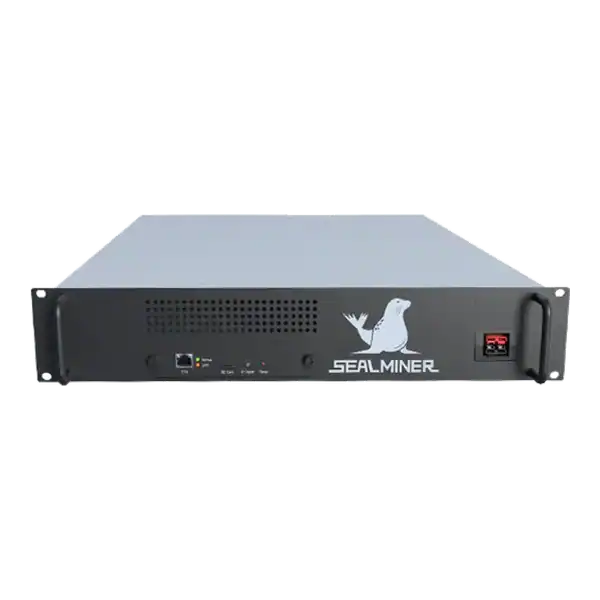

886TH
HASHRATE
9.45W/TH
EFFICIENCY
8373W
POWER
£898.19
EST. MONTHLY
NO PAYBACK
EST. ROI
ASIC Miner Noise Level made simple. Compare performance, power, cooling, noise and practical risks before choosing or operating mining hardware.
ASIC miner noise level is not described adequately by one catalogue decibel number. Fan speed, air restriction, temperature, power mode, distance, room reflections, tone and the number of machines all affect exposure and nuisance. Before buying, identify occupied and boundary positions, measure or get representative dB(A) evidence, assess workplace duties and verify that any enclosure or ducting preserves safe cooling.
ASIC miner noise level must be assessed at the people and boundaries that matter, under the heat and fan duty expected in real service.
A miner is checking ASIC miner noise level. If the premises cannot control continuous tonal sound without overheating the machine, choose a more suitable site.
Air-cooled ASICs use high-speed fans to move substantial air through dense heat sinks. The resulting sound contains broadband airflow and prominent fan tones that can be more intrusive than a steady low-frequency device at the same simple reading.
Firmware raises fan speed with inlet and chip temperature. A quiet cold-room demonstration may not represent a summer duty cycle or restrictive duct.
Distance and room surfaces matter. Hard walls reflect sound, openings transmit it and a corner can behave differently from open space. State where the measurement was made.
A-weighted dB is commonly used for hearing assessment. At the same time, frequency analysis can help design attenuation. A phone application is useful for screening but is not a calibrated workplace assessment.

Decibels are logarithmic. Two identical independent sources operating together commonly increase the level by about 3dB, not double the numerical reading. Ten similar sources can add about 10dB under simplified equal conditions.
Doubling distance from a point source in free field can reduce sound pressure by about 6dB. But rooms, ducts, barriers and multiple sources alter that ideal relationship.
Do not convert a manufacturer number into a guaranteed neighbour level with one subtraction. Measure the actual path, including vents and structural transmission.
Perceived loudness and legal assessment are not the same thing. Use appropriate professional evidence for planning, nuisance or workplace decisions.
| Field | Record | Why |
|---|---|---|
| Position | Distance, height and room | Repeatable comparison |
| Operating state | Power, fan speed and hashrate | Connect sound with duty |
| Environment | Temperature and ventilation | Explain fan changes |
| Metric | dB(A), peak or time average | Use the right assessment |
| Duration | Representative cycle | Avoid a brief quiet sample |
| Background | Miner off reading | Separate other sources |
Measure near the operator for exposure and at doors, windows, offices, bedrooms or site boundaries for impact. The relevant positions depend on the premises.
Record several operating conditions, including warm inlet and maximum ordinary power. A noise control that works only when the miner is cold is not a complete design.
The Control of Noise at Work Regulations require employers to assess and control risk. HSE publishes lower and upper exposure action values of 80dB(A) and 85dB(A) for daily or weekly personal exposure, with extra peak values.
Those values concern exposure over time, not a simple permission to install an 84dB machine beside a worker. Eliminate or reduce noise at source, control the path and manage exposure before relying solely on hearing protection.
Provide information, training, hearing protection and health surveillance where the assessment requires them. Maintain controls and review after fleet, layout or duty changes.
Use a competent occupational-noise assessor where exposure may be material or measurements are uncertain.
Lower-power operation can reduce heat and fan speed on a supported model. But measure accepted efficiency and confirm warranty and stability. Do not defeat fan monitoring or temperature protection.
Place the miner away from occupied rooms and use a dedicated ventilated space where lawful. Isolation mounts can reduce structural vibration. At the same time, lined ducts and silencers can reduce airborne paths when designed for the required flow.
Every grille, bend, filter and acoustic lining adds resistance. Monitor inlet, exhaust, chip temperatures and fan duty after installation, including hot weather and filter loading.
Liquid cooling can move heat with lower local fan noise. But pumps, dry coolers and external heat rejection still produce sound and require competent design.
A workplace exposure check does not settle residential nuisance or planning. Continuous tonal sound can disturb occupants and neighbours at much lower levels, especially at night.
Check tenancy, mortgage, planning, environmental-health, insurance and electrical restrictions before installation. Get advice from the local authority where needed.
Do not place exhaust where hot air and fan noise discharge towards another property or occupied opening. Consider security and weather protection without blocking airflow.
For many full-size miners, professional hosting is more practical than trying to make a domestic room behave like a data hall. Compare complete costs and controls.
Air-cooled ASICs use high-speed fans to move substantial air through dense heat sinks. The resulting sound contains broadband airflow and prominent fan tones that can be more intrusive than a steady low-frequency device at the same simple reading.
Decibels are logarithmic. Two identical independent sources operating together commonly increase the level by about 3dB, not double the numerical reading.
The Control of Noise at Work Regulations require employers to assess and control risk. HSE publishes lower and upper exposure action values of 80dB(A) and 85dB(A) for daily or weekly personal exposure, with extra peak values.
Lower-power operation can reduce heat and fan speed on a supported model. But measure accepted efficiency and confirm warranty and stability.
A workplace exposure check does not settle residential nuisance or planning. Continuous tonal sound can disturb occupants and neighbours at much lower levels, especially at night.
ASIC miner noise level must be assessed at the people and boundaries that matter, under the heat and fan duty expected in real service. Use the logarithmic scale correctly, apply UK workplace duties where relevant and design attenuation around safe airflow. If the premises cannot control continuous tonal sound without overheating the machine, choose a more suitable site.
Compare air, hydro, immersion and hosted routes with The Mining Shop UK before committing a high-output miner to an occupied building.
Treat the manufacturer's sound figure as a test-condition reference. Ask for distance, operating mode, temperature and measurement method. Measure at the worker, neighbour, office or boundary position over representative fan cycles. Decibels are logarithmic. So multiple machines do not add arithmetically.

Bitcoin ASIC Compatibility made simple. Compare performance, power, cooling, noise and practical risks before choosing or operating mining hardware.
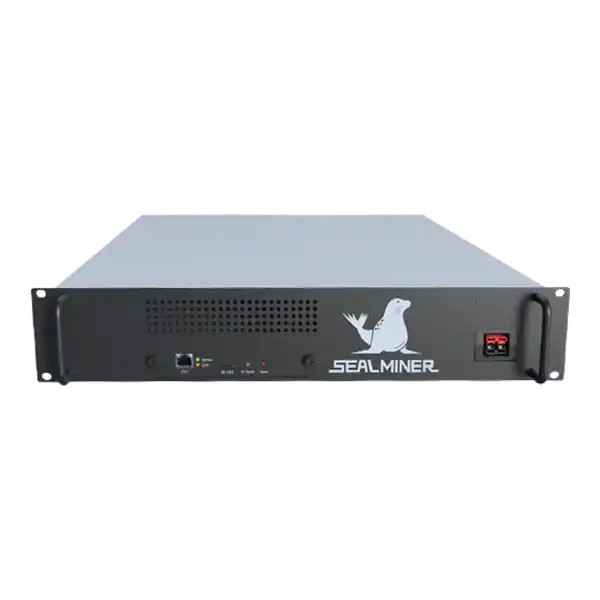
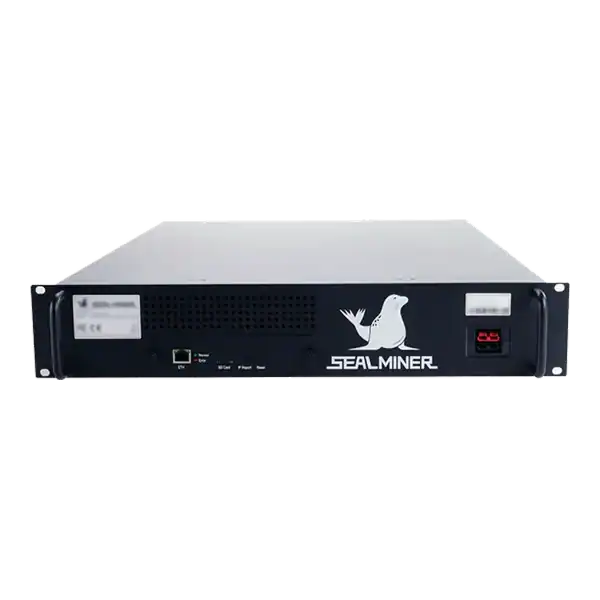
Practical guide to SEALMINER A4 review, covering efficiency and wall power. Compare costs, measured performance and site fit before buying hardware.
Unproven home ASIC launch review: assess an unproven home ASIC launch through manufacturer identity, samples, specifications, certification, firmware, delivery.
Join the ASIC Mining Discussion
Members can read and join the discussion
Log in to read comments from other miners. Create a free account if you would like to ask a question or share your experience.
Membership helps us protect the discussion from spam and keep answers useful.