

Antminer Z15 Pro
Zcash & Horizen ASIC Miner
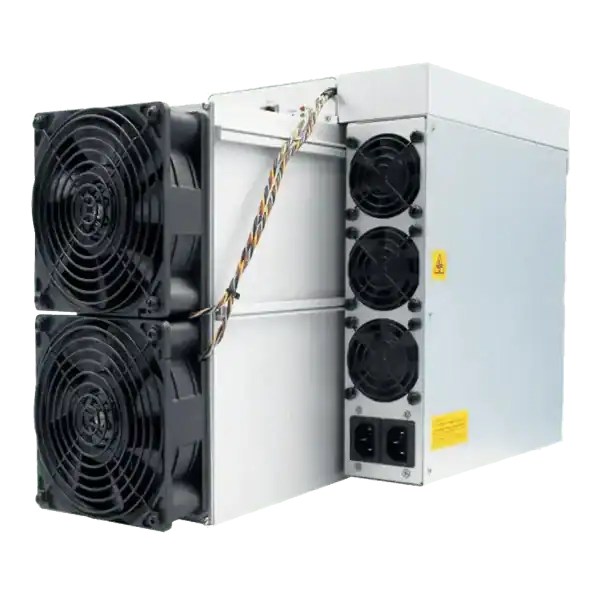

840KSOL
HASHRATE
3.3W/KSOL
EFFICIENCY
2772W
POWER
£1385.48
EST. MONTHLY
9
Months
EST. ROI
Understand ASIC legality in UK law, when no standalone miner licence is required, when FCA rules may matter and which site duties still apply.
Understand ASIC legality in UK law, when no standalone miner licence is required, when FCA rules may matter and which site duties still apply.
ASIC legality: UK law does not impose a general prohibition on Bitcoin mining or require a standalone licence simply to operate an ASIC miner for your own account.
A UK business owner is checking ASIC legality. The legal position depends on what the operator actually does, where the equipment is installed and whether services are provided to other people.
Yes. UK law does not impose a general prohibition on Bitcoin mining or require a standalone licence simply to operate an ASIC miner for your own account. The legal position depends on what the operator actually does, where the equipment is installed and whether services are provided to other people.
This ASIC legality in the UK article is narrower than our general guide to whether Bitcoin mining is legal in the UK. It focuses on the common licensing question and the boundary between operating hardware and providing regulated cryptoasset services.

Operating owned hardware and receiving mining rewards is not the same activity as running a cryptoasset exchange, arranging deals, safeguarding customer assets or providing another service within the regulatory perimeter. A firm must assess its complete business model rather than relying on the word “mining”.
The FCA states that the UK cryptoasset regime is changing. Its policy statements published in June 2026 describe a wider regime for specified cryptoasset activities, with the expanded scope due to apply from 25 October 2027. Hardware owners should not assume that a new regime automatically regulates every miner. But firms offering services to customers should check the current perimeter and transition rules.
This is not an exhaustive legal test. Read The Mining Shop’s regulatory status and cryptoasset services statement and get specialist advice before adding a customer-facing cryptoasset service.
HMRC’s Cryptoassets Manual explains that mining rewards can be taxable when received. For people, whether the activity amounts to a trade depends on factors including organisation, risk, commerciality and degree of activity.
Where it is not a trade, the sterling value of tokens when received can still be miscellaneous income, with appropriate expenses considered under the relevant rules. A later disposal can also create a capital-gains question.
Businesses need records that connect rewards, wallet transactions, pool statements, exchange rates and costs to their accounts. Keep the timestamp, asset quantity and reasonable sterling valuation method used at receipt. Our UK crypto mining tax guide explains the main record categories, but it is not a substitute for advice from an accountant who understands the operator’s circumstances.
ASIC miners are continuous high-load equipment. HSE guidance says businesses using electrically powered equipment should understand their applicable duties, including the Electricity at Work Regulations and work-equipment rules. Installation changes and specialist equipment should be assessed by a competent person.
Do not choose a circuit from the plug shape alone. Confirm voltage, continuous current, protective devices, cable sizing, isolation, earthing, ventilation and the combined load with a competent electrician.
Planning permission can be relevant where business use creates a material change in the character of a property, or where physical development is required. Noise, traffic, external plant and operating intensity can affect that assessment. Contact the local planning authority when the use is uncertain.
Industrial ASIC miners can produce sustained fan noise. Councils must investigate potential statutory nuisance, and an abatement notice can require the noise to stop or be reduced. Acoustic enclosures must not compromise cooling or fire safety.
Employers must assess electrical, heat, noise, manual-handling and fire risks. Staff need suitable information, instruction and training. Hearing-protection duties depend on measured exposure, not simply the manufacturer’s sound figure.
Importing hardware is separate from a mining licence. Businesses importing into Great Britain normally need a GB EORI number, a correct commodity code, a customs declaration and records. Import VAT and Customs Duty depend on the goods, value, origin and procedure. A VAT-registered business may be able to recover import VAT under the normal rules with the required evidence.
See importing ASIC miners into the UK for the operational checklist. Verify the current UK Trade Tariff rather than relying on a historic duty rate.
ASIC legality: UK law does not impose a general prohibition on Bitcoin mining or require a standalone licence simply to operate an ASIC miner for your own account.
UK law does not impose a general prohibition on Bitcoin mining or require a standalone licence simply to operate an ASIC miner for your own account.
Operating owned hardware and receiving mining rewards is not the same activity as running a cryptoasset exchange, arranging deals, safeguarding customer assets or providing another service within the regulatory perimeter.
HMRC’s Cryptoassets Manual explains that mining rewards can be taxable when received.
There is no general UK mining licence for simply running your own ASIC hardware. FCA registration or authorisation depends on the activities a firm carries on, not on owning a miner alone.
Regulatory position checked on 14 August 2026. This page is general information, not legal, tax, financial or electrical advice.
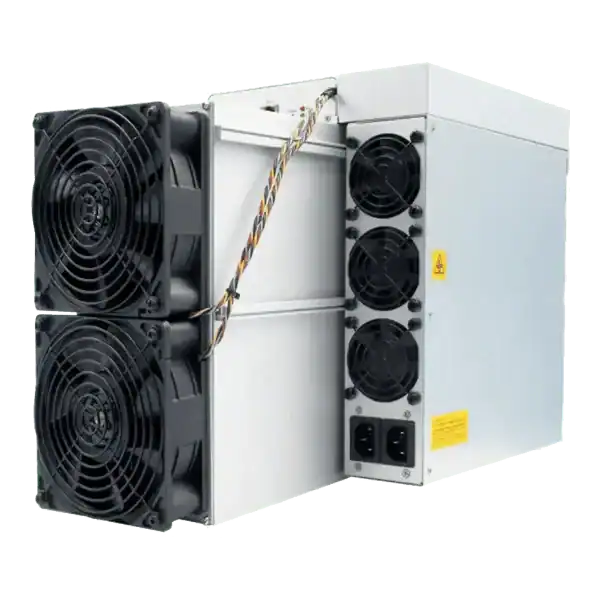
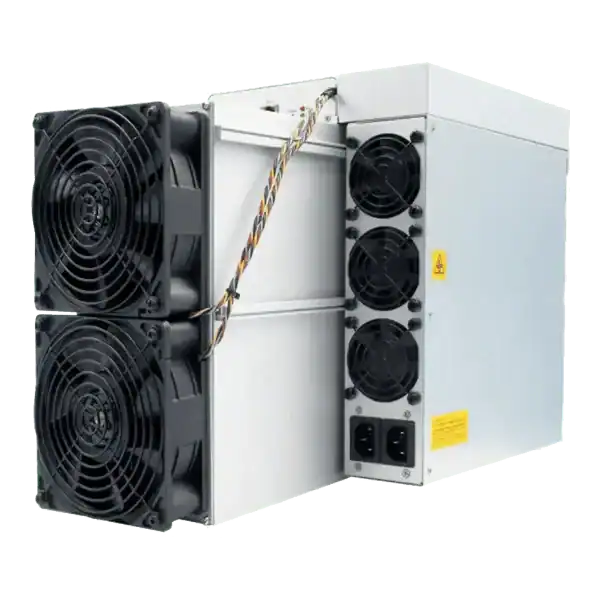
ASIC insurance coverage exclusions: review ASIC insurance exclusions for wear, electrical breakdown, overheating, corrosion, firmware, cyber events, unattended.
ASIC hardware insurance UK: prepare ASIC hardware insurance evidence for UK-owned miners: asset schedule, valuation, site, electrical controls, custody.
Claim VAT on ASIC Miners made simple. Check the UK rules, records, figures and evidence before filing a return or taking professional advice.
Join the ASIC Mining Discussion
Members can read and join the discussion
Log in to read comments from other miners. Create a free account if you would like to ask a question or share your experience.
Membership helps us protect the discussion from spam and keep answers useful.