

Antminer X9
Monero ASIC Miner
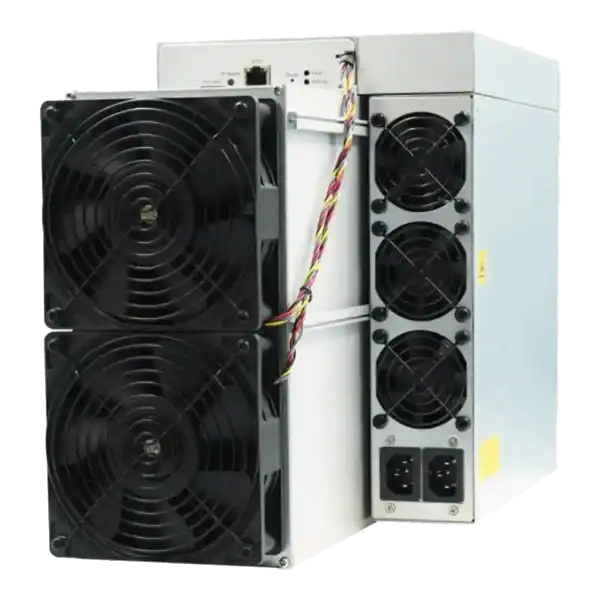

1000KH
HASHRATE
2.47W/KH
EFFICIENCY
2470W
POWER
£1029.05
EST. MONTHLY
5.6
Months
EST. ROI
Understand importing ASIC miners into the UK. Understand UK records, tax, electrical duties, imports and when to seek advice before choosing equipment.
Understand importing ASIC miners into the UK. Understand UK records, tax, electrical duties, imports and when to seek advice before choosing equipment.
Importing ASIC Miners into the UK: Duties and Compliance provides UK-oriented operational guidance. But it is not tax, legal or electrical advice. Records and professional advice should match the facts of the individual operation.
Importing ASIC miners into the UK: ASIC miners, or Application-Specific Integrated Circuit miners, are specialised devices designed solely for mining cryptocurrencies like Bitcoin.
A UK business owner is checking importing ASIC miners into the UK. Unlike regular computers, ASIC miners are optimised for specific tasks, making them much more efficient.
When diving into the world of cryptocurrency mining, ASIC import regulations are among the most important aspects to understand before making a purchase. These rules can affect how smoothly your mining equipment arrives and even the costs involved. If you are a beginner or an experienced miner, knowing the ins and outs of import regulations is key to a successful operation.

ASIC miners, or Application-Specific Integrated Circuit miners, are specialised devices designed solely for mining cryptocurrencies like Bitcoin. Unlike regular computers, ASIC miners are optimised for specific tasks, making them much more efficient. However, importing them involves specific guidelines depending on your country.
Importing ASIC miners isn’t as simple as clicking “Buy Now.” Each country has rules regarding electronic equipment, customs duties, and compliance standards. Failing to meet these requirements can result in delays, fines, or confiscation of your purchase.
Let’s break this down into simpler terms:
ASIC miners fall under specific customs codes. Understanding these codes ensures your package is categorised correctly, preventing extra delays or charges.
The cost of your miner doesn’t stop at the purchase price. You’ll often need to pay:
For example, in the UK, the VAT is typically 20%. Check with local customs authorities to know exactly what to expect.
Some countries require imported electronics to meet certifications like CE (for the European Union) or FCC (for the United States). These labels ensure your device complies with safety and environmental standards.
Certain carriers may have limitations on shipping high-value or specialised equipment. It’s wise to work with logistics companies experienced in handling such items.
Because ASIC miners consume significant power, some countries may limit or ban their import. Research whether your chosen model complies with local energy standards.
Even with the best preparation, importing ASIC miners can come with challenges:
By preparing thoroughly, you can avoid these hurdles and ensure a smooth import process.
If you’re in the UK, consider sourcing ASIC miners from local suppliers like The Mining Shop. Buying locally eliminates the hassle of navigating complex import regulations and reduces waiting times. Local suppliers often handle compliance and offer warranties for added peace of mind.
Importing ASIC miners into the UK: ASIC miners, or Application-Specific Integrated Circuit miners, are specialised devices designed solely for mining cryptocurrencies like Bitcoin.
ASIC miners, or Application-Specific Integrated Circuit miners, are specialised devices designed solely for mining cryptocurrencies like Bitcoin.
ASIC miners fall under specific customs codes. Understanding these codes ensures your package is categorised correctly, preventing extra delays or charges.
Even with the best preparation, importing ASIC miners can come with challenges: By preparing thoroughly, you can avoid these hurdles and ensure a smooth import process.
UK tax treatment depends on the facts, including whether activity amounts to a trade and how tokens are received or disposed of. Keep contemporaneous GBP valuations, pool statements, wallet records, invoices, electricity records and disposal evidence.
Use these pages to move from research to a product or operating decision:
For importing ASIC miners, check current official guidance and retain the evidence used for the decision. Use current official guidance alongside this article because network rules, tax guidance and safety duties can change.
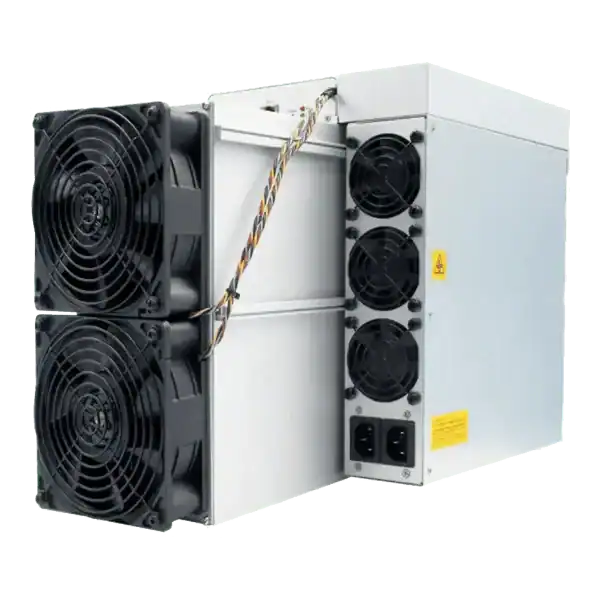

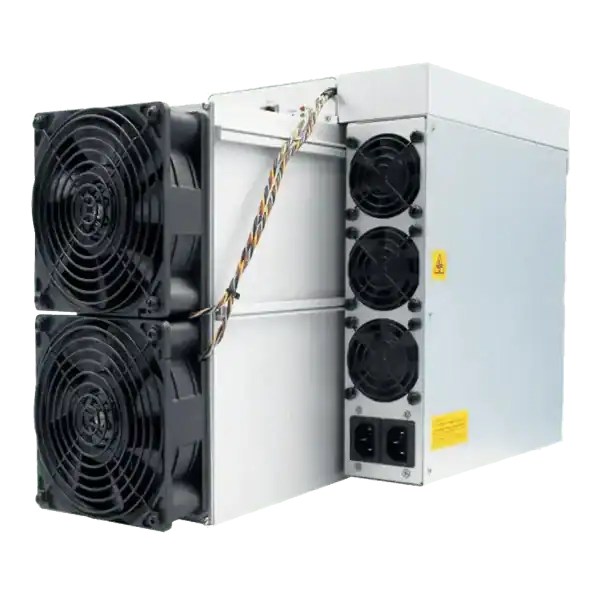
ASIC insurance coverage exclusions: review ASIC insurance exclusions for wear, electrical breakdown, overheating, corrosion, firmware, cyber events, unattended.
ASIC hardware insurance UK: prepare ASIC hardware insurance evidence for UK-owned miners: asset schedule, valuation, site, electrical controls, custody.
Claim VAT on ASIC Miners made simple. Check the UK rules, records, figures and evidence before filing a return or taking professional advice.
Join the ASIC Mining Discussion
Members can read and join the discussion
Log in to read comments from other miners. Create a free account if you would like to ask a question or share your experience.
Membership helps us protect the discussion from spam and keep answers useful.