

Antminer Z15 Pro
Zcash & Horizen ASIC Miner
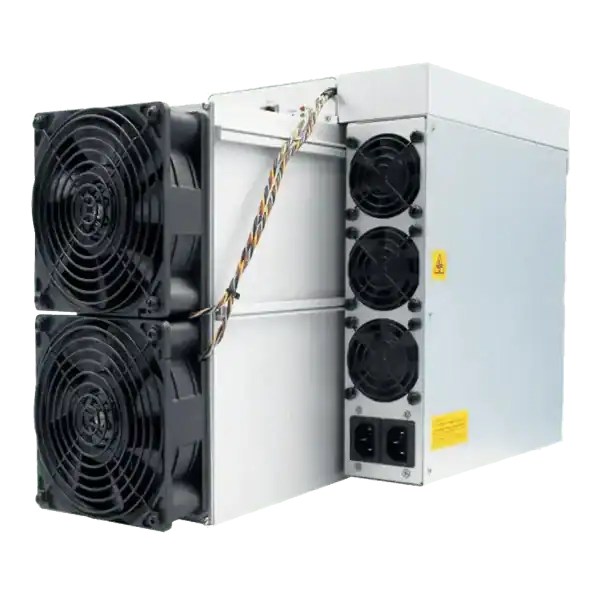

840KSOL
HASHRATE
3.3W/KSOL
EFFICIENCY
2772W
POWER
£1384.37
EST. MONTHLY
9
Months
EST. ROI
HMRC ASIC mining income: UK guidance on HMRC treatment, records, valuations, costs and evidence to retain before filing or taking qualified advice.
HMRC ASIC mining income: UK guidance on HMRC treatment, records, valuations, costs and evidence to retain before filing or taking qualified advice.
HMRC ASIC mining income: For an individual, HMRC says the sterling value of mining rewards at receipt may be trading income or miscellaneous income.
A UK business owner wants to understand HMRC ASIC mining income. If the tokens are retained, a later sale, swap, purchase or gift can be a separate disposal for Capital Gains Tax.
For an individual, HMRC says the sterling value of mining rewards at receipt may be trading income or miscellaneous income. If the tokens are retained, a later sale, swap, purchase or gift can be a separate disposal for Capital Gains Tax. Do not treat the eventual cash withdrawal as the only tax event.

There is no automatic hobby exemption. HMRC looks at the degree and frequency of activity, organisation, risk and commerciality. A home miner can still have taxable miscellaneous income. At the same time, an organised commercial operation may amount to a trade. Companies account for mining activity within Corporation Tax rather than the individual Income Tax rules.
Record the quantity, asset, wallet, pool, receipt time and a reasonable GBP market value for every reward or payout. Use a consistent valuation method and retain the source. A pool threshold or later wallet transfer does not necessarily identify the tax point. So review the point at which the reward becomes unconditionally available under the pool contract.
Appropriate expenses can reduce miscellaneous or trading income. But the answer depends on the basis of assessment and whether costs are wholly and exclusively incurred. Mining equipment and electricity do not become Capital Gains Tax acquisition costs for mined tokens. Business equipment may instead engage capital-allowance rules. Never deduct the same cost twice.
Selling mined assets for sterling, swapping one token for another, spending tokens and most gifts are disposals. If Income Tax was charged on receipt, the amount already brought into income normally informs the acquisition value used for the later gain calculation. Keep reward and disposal records connected.
Keep pool statements, worker and payout logs, wallet addresses, transaction identifiers, GBP valuations and methodology, exchange statements, invoices, electricity evidence, hosting and repair costs, asset registers, tax computations and correspondence with advisers. Export data regularly rather than assuming a pool or exchange will retain it.
Reconcile every reward source to wallets and exchange accounts, separate income from later disposals, document your valuation method and ask a qualified UK tax adviser to confirm the treatment for your operation. Use our profitability tools for operational modelling, not as a tax computation.
HMRC ASIC mining is most useful when it leads to a documented decision rather than a headline comparison.
HMRC ASIC mining income: For an individual, HMRC says the sterling value of mining rewards at receipt may be trading income or miscellaneous income.
For an individual, HMRC says the sterling value of mining rewards at receipt may be trading income or miscellaneous income.
There is no automatic hobby exemption. HMRC looks at the degree and frequency of activity, organisation, risk and commerciality.
Record the quantity, asset, wallet, pool, receipt time and a reasonable GBP market value for every reward or payout.
Mining rewards can create taxable income when received and a separate gain or loss when later disposed of. The correct treatment depends on whether the activity is a trade, the contractual arrangement and the evidence retained. Keep contemporaneous GBP valuations and evidence for income, acquisitions and disposals.
Use current official guidance because tax rules and HMRC guidance can change.
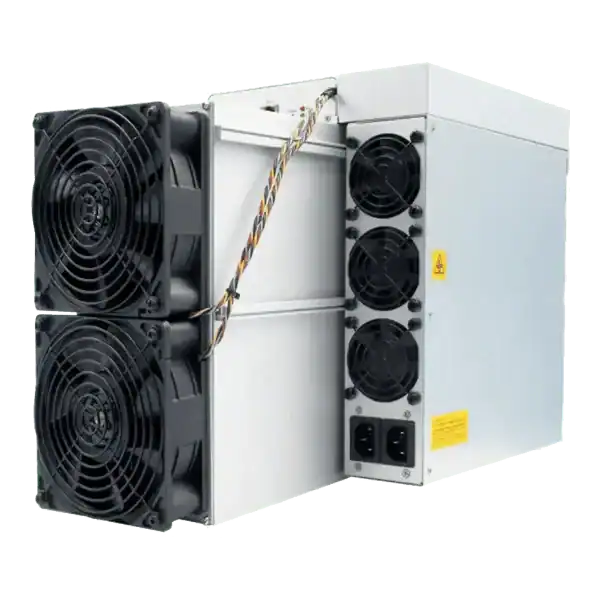
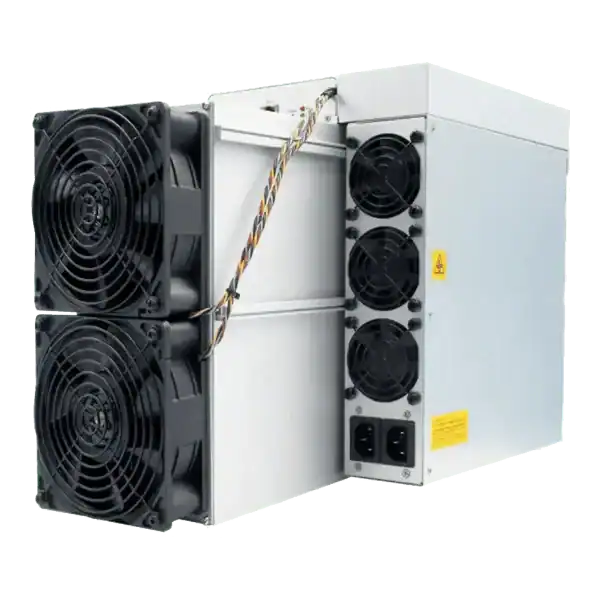
ASIC insurance coverage exclusions: review ASIC insurance exclusions for wear, electrical breakdown, overheating, corrosion, firmware, cyber events, unattended.
ASIC hardware insurance UK: prepare ASIC hardware insurance evidence for UK-owned miners: asset schedule, valuation, site, electrical controls, custody.
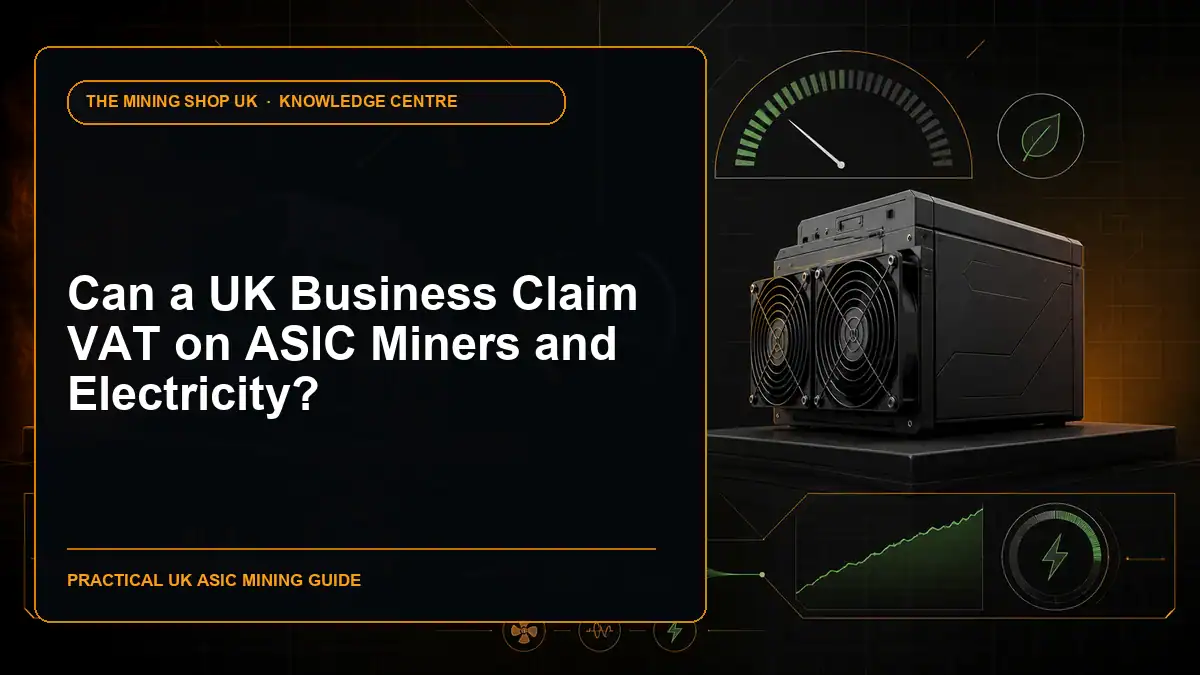
Claim VAT on ASIC Miners made simple. Check the UK rules, records, figures and evidence before filing a return or taking professional advice.
Join the ASIC Mining Discussion
Members can read and join the discussion
Log in to read comments from other miners. Create a free account if you would like to ask a question or share your experience.
Membership helps us protect the discussion from spam and keep answers useful.