

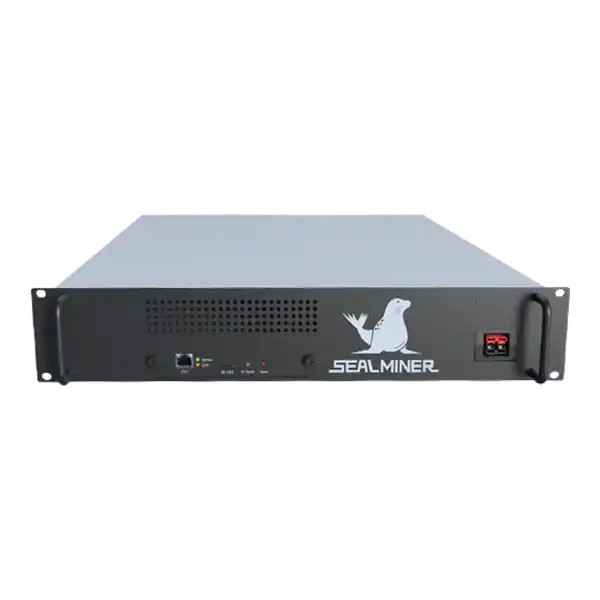
Sealminer A4 Ultra Hydro
Bitcoin & Bitcoin Cash ASIC Miner


886TH
HASHRATE
9.45W/TH
EFFICIENCY
8373W
POWER
£858.50
EST. MONTHLY
NO PAYBACK
EST. ROI
Reporting crypto tax to HMRC: UK guidance on HMRC treatment, records, valuations, costs and evidence to retain before filing or taking qualified advice.
Reporting crypto tax to HMRC: UK guidance on HMRC treatment, records, valuations, costs and evidence to retain before filing or taking qualified advice.
Reporting crypto tax to HMRC: From 2026, in-scope service providers collect and report user and transaction data. The first reporting period ends 31 December 2026 and reports are due by 31 May 2027.
A UK business owner is checking reporting crypto tax to HMRC. Record timestamps, quantities, GBP values, fees, counterparties and transaction identifiers. That information can help HMRC check returns but does not calculate your liability.
Combine pool statements, wallet transactions, exchanges, bank records and direct payments. Record timestamps, quantities, GBP values, fees, counterparties and transaction identifiers. Identify transfers between your own wallets so they are not mistaken for disposals.

Mining, staking and some airdrops may be income. Sales, swaps, spending and most gifts may produce gains or losses. Companies and sole traders should align the crypto ledger to their accounts.
people normally use the relevant Self Assessment sections for trading or miscellaneous income and the SA108 Capital Gains summary for reportable gains and losses. The exact filing requirement depends on the person's circumstances and current HMRC thresholds.
Claim allowable capital losses correctly and keep the calculation. Negligible-value claims have specific conditions and are not a substitute for recording a wallet, exchange or counterparty failure. Income losses follow different rules.
From 2026, in-scope service providers collect and report user and transaction data. The first reporting period ends 31 December 2026 and reports are due by 31 May 2027. That information can help HMRC check returns but does not calculate your liability.
Do not wait for HMRC to contact you. The correct route depends on the year and circumstances and may include amending a return or making a disclosure. Get advice where more than one period, offshore information or deliberate behaviour may be involved.
Start with the exact equipment, network or service described in this guide. Record the model, firmware, rated and measured wall power, supported algorithm, pool endpoint and the date on which each fact was checked. A product name or broad algorithm label is not enough to prove compatibility.
For mining tax, regulation and compliance, calculate the position using the electricity tariff actually payable, pool fees, rejected shares, expected uptime, cooling load and maintenance. Keep gross revenue separate from operating cost. Repeat the calculation with lower revenue and higher difficulty so the downside is visible before money or equipment is committed.
Confirm that fixed wiring, protective devices, cabling, ventilation and access arrangements suit continuous operation. Use a competent electrician where fixed electrical work is involved. Keep firmware and wallet credentials secure, test with one worker first and retain a written baseline so later changes can be compared with evidence.
Keep dated records of coins received, sterling values at the transaction time, wallet addresses, pool statements, exchange records, fees and directly related costs. A later disposal is a separate event from receiving a mining reward. The treatment can also differ between an individual, a sole trade and a limited company. So the facts and the entity must be identified before a return is prepared.
HMRC guidance distinguishes activity carried on as a trade from activity that does not amount to a trade. Frequency, organisation, risk and commercial character can all matter. Do not assume that a label such as hobby, investment or business decides the answer by itself. Retain the evidence used for each valuation and ask a suitably qualified tax adviser about material or unusual transactions.
Reporting crypto tax to HMRC: From 2026, in-scope service providers collect and report user and transaction data.
Combine pool statements, wallet transactions, exchanges, bank records and direct payments. Record timestamps, quantities, GBP values, fees, counterparties and transaction identifiers.
Mining, staking and some airdrops may be income. Sales, swaps, spending and most gifts may produce gains or losses.
people normally use the relevant Self Assessment sections for trading or miscellaneous income and the SA108 Capital Gains summary for reportable gains and losses.
A defensible return begins with a complete transaction and reward ledger, not a year-end exchange total. Income and disposals must be separated and reconciled in pounds sterling. Keep contemporaneous GBP valuations and evidence for income, acquisitions and disposals.
Use current official guidance because tax rules and HMRC guidance can change.



ASIC insurance coverage exclusions: review ASIC insurance exclusions for wear, electrical breakdown, overheating, corrosion, firmware, cyber events, unattended.

ASIC hardware insurance UK: prepare ASIC hardware insurance evidence for UK-owned miners: asset schedule, valuation, site, electrical controls, custody.

Claim VAT on ASIC Miners made simple. Check the UK rules, records, figures and evidence before filing a return or taking professional advice.
Join the ASIC Mining Discussion
Members can read and join the discussion
Log in to read comments from other miners. Create a free account if you would like to ask a question or share your experience.
Membership helps us protect the discussion from spam and keep answers useful.