
Pre-order
Overall ranking

Equihash
·
ZEC
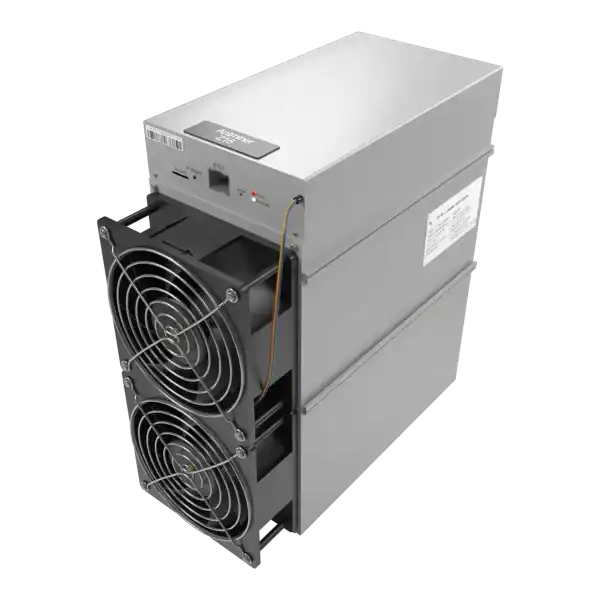
Overall rank#1of 100AvailableAll: #2 / 831

Pre-OrderFree Shipping
Hashrate
525KSOL
Efficiency
4.73W/KSOL
Power
2483W
Earns/kWh
42.2p
Ethereum vs Bitcoin mining changed at the 2022 Merge. Learn why ETH mining ended, why Bitcoin still uses SHA-256 ASICs and what happened to old GPU rigs.
Ethereum vs Bitcoin mining is now a historical-versus-current comparison. Ethereum Mainnet stopped proof-of-work block production at the Merge on 15 September 2022 and moved to proof of stake. Bitcoin continues to use SHA-256 proof of work and specialised ASIC miners.
A GPU can still mine selected proof-of-work networks, but it cannot mine current Ethereum Mainnet. Staking ETH is also not mining: validators commit stake and follow a different reward and penalty system.
Estimated reading time: 7 minutes
Ethereum vs Bitcoin mining once compared two proof-of-work networks. After the Merge, Ethereum replaced miners with validators who lock stake and run consensus software. Bitcoin kept miners, difficulty and proof-of-work blocks. The words validator and miner now describe different jobs.
A factory changes from paid delivery drivers to a deposit-backed scheduling system. The old vans may serve another company, but they cannot keep delivering for the changed factory. Ethereum's old GPUs similarly needed another network or use after the Merge.
| The Merge: | Ethereum's September 2022 transition to proof of stake. |
|---|---|
| Proof Of Work: | Security based on computational work and chain selection. |
| Proof Of Stake: | Security based on validators committing the native asset. |
| ASIC: | Hardware built for a narrow algorithm. |
| GPU: | A parallel processor usable across several compatible workloads. |
Before the Merge, Ethereum miners used Ethash-compatible GPUs or specialised hardware to build blocks. Bitcoin miners used SHA-256 ASICs. Both consumed power for proof of work, but their algorithms, block rules, hardware markets and rewards differed.
A machine compatible with one algorithm could not automatically mine the other. Hashrate numbers in different units were never directly comparable.
The Merge joined Ethereum's execution layer with its proof-of-stake consensus layer. Ethereum states that proof-of-work mining is no longer a valid way to produce Mainnet blocks. Validators now propose and attest under stake rules.
The transaction history and user balances continued; the consensus mechanism changed. A chain using the old rules is a different network, even if it retains similar software or branding.
Bitcoin full nodes still select valid history by accumulated proof of work. Miners construct candidates and search SHA-256 headers, while nodes reject invalid blocks regardless of hashrate.
Changing that mechanism would require a separate Bitcoin rule and adoption process. Ethereum's decision did not update Bitcoin software.

A miner operates computing hardware and earns under proof-of-work and pool rules. A validator commits stake, runs consensus clients and can face penalties for certain failures or misconduct.
Electricity, capital and operating risks exist in both, but they are not interchangeable yields. Do not describe an ETH staking return as mining income.
After the Merge, GPUs could be sold, used for graphics or AI tasks, or redirected to compatible proof-of-work coins. The sudden supply of hardware and hashrate changed profitability on smaller networks.
An algorithm match does not guarantee revenue. Difficulty, emissions, market depth and power cost adjust as miners arrive.
Some networks continued variants of Ethereum proof of work. They have their own assets, nodes, markets and security. Mining one does not produce ETH on Ethereum Mainnet.
Check chain identifier, official software, exchange support, wallet safety and payout liquidity before pointing hardware at a fork.
SHA-256 ASICs are designed around Bitcoin's hashing algorithm. Historic Ethereum used Ethash, and current Ethereum uses no mining algorithm for block production. Firmware cannot bridge that physical mismatch.
A SHA-256 ASIC may mine another compatible SHA-256 network, subject to pool and economic checks. It cannot become a general GPU.
Proof of work exposes attack costs through hardware, energy and accumulated work. Proof of stake uses committed stake, validator selection and penalty rules. Each has different concentration and recovery questions.
A slogan about energy or ownership is not a complete security analysis. Compare the exact attack, rule and response.
Check the publication date. Instructions about Ethereum DAG files, pool endpoints and GPU tuning may be historically accurate but no longer apply to Mainnet mining.
Preserve useful electrical and hardware lessons, but label the revenue method ended. Do not change an old date to make obsolete instructions appear current.
Identify the exact algorithm, network status, official client, current reward, difficulty, pool, liquidity and power. Measure the machine rather than relying on its former Ethereum income.
For Bitcoin, compare SHA-256 ASIC efficiency and site fit. For a GPU, compare several legal useful workloads and resale, then model a complete-loss case.
A former Ethereum miner should separate historical ETH receipts from any later network. Keep the last Mainnet pool statement, wallet transaction record, hardware inventory and the date each rig was redirected or sold. This prevents an accounting export from describing later altcoin revenue as Ethereum mining.
When assessing a replacement workload, use a fresh measured period with its own algorithm, difficulty, pool terms and executable market price. Include the extra maintenance and conversion work. The fact that a GPU once earned ETH is not evidence that a new coin can support the same electricity or equipment value.
Ethereum Mainnet has used proof of stake since 15 September 2022.
Historic Ethereum proof-of-work instructions must be treated as retrospective material.
Bitcoin remains a SHA-256 proof-of-work network at the review date.
| Feature | Bitcoin | Ethereum Mainnet |
|---|---|---|
| Current consensus | Proof of work | Proof of stake |
| Block producer | Miner | Validator |
| Typical hardware | SHA-256 ASIC | Validator server |
| Native mining today | Yes | No |
| Old GPU role | Not suitable for SHA-256 mining | Historic mining hardware only |
A table is a starting point, not a promise. Verify current official sources and apply each detail to the decision you are actually making.
No. Its proof-of-work mining ended at the Merge.
No. It uses stake and validator rules rather than computational proof of work.
No. The algorithms and current consensus are incompatible.
Sometimes, if the algorithm is compatible, but profitability is not guaranteed.
No. It changed Ethereum Mainnet only.
Ethereum vs Bitcoin mining stopped being a current two-mining-system comparison in September 2022. Ethereum now uses validators and stake; Bitcoin still uses miners and SHA-256 work. Treat old Ethereum guides as history and test any alternative GPU use against its own network and market.
Xaya Core mining ended after the legacy chain was deprecated. Learn what happened to CHI, how the WCHI snapshot works and why old mining guides are obsolete.
QRL mining explained for beginners. Learn how RandomX favours CPUs, how solo and pool mining differ, and why XMSS wallet use needs careful planning.
Nockchain mining explained in simple English. Learn what zero-knowledge proof of work means, how the fair launch works and why miners should test carefully.

Join the ASIC Mining Discussion
Members can read and join the discussion
Log in to read comments from other miners. Create a free account if you would like to ask a question or share your experience.
Membership helps us protect the discussion from spam and keep answers useful.