

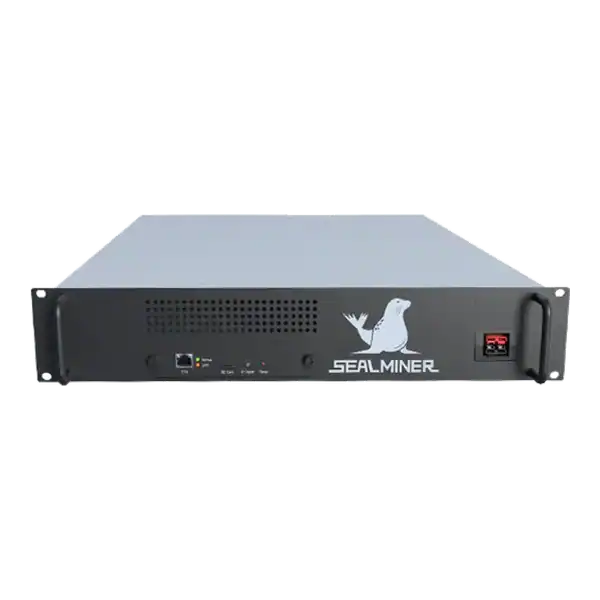
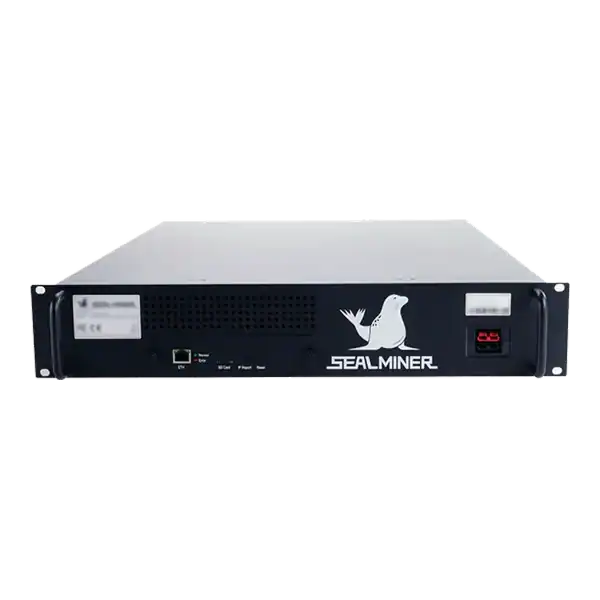
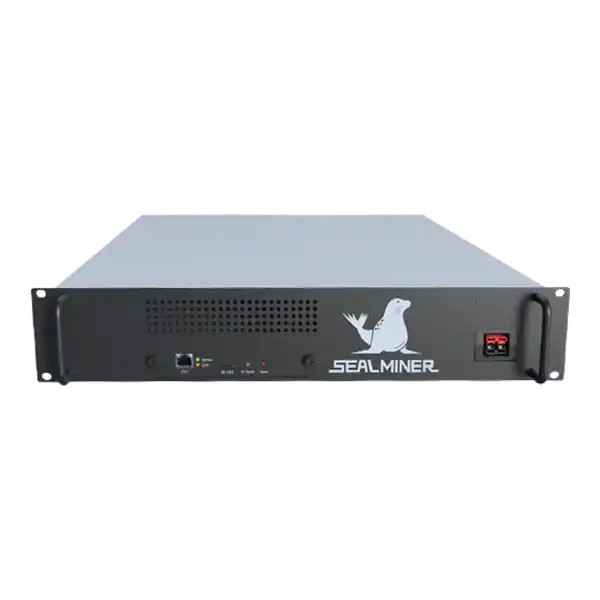
Sealminer A4 Ultra Hydro
Bitcoin & Bitcoin Cash ASIC Miner

886TH
HASHRATE
9.45W/TH
EFFICIENCY
8373W
POWER
£846.49
EST. MONTHLY
NO PAYBACK
EST. ROI
Review OTC Bitcoin hashrate deals through measurement, price, settlement, curtailment, credit, sanctions, tax records and dispute clauses before signing.
OTC Bitcoin hashrate deals are privately negotiated business contracts for defined mining capacity or output rather than ordinary public pool participation.
The commercial document must say what is delivered, how accepted work is measured, who chooses the pool or template, what price applies, when settlement occurs and what happens during curtailment, rejection, block events or counterparty failure. A terahash headline without those definitions is not a complete product.
OTC Bitcoin hashrate deals need engineering-grade definitions and ordinary commercial discipline. Define what is delivered, how independent evidence works and how price, settlement, curtailment and default are handled.
A site operator is checking OTC Bitcoin hashrate deals. If accepted hashrate is the product, define the pool-side window and treatment of rejects, stales and variable share difficulty.
An OTC deal can involve rented ASIC capacity, forward delivery of hashrate, a share of pool receipts or an agreed amount of accepted work. Each creates different performance and ownership questions.
Specify algorithm, model or fleet where relevant, nominal rate, acceptable variance, delivery point, start and end time, pool, protocol, region and excluded events. State whether the buyer receives bitcoin, another asset or only hashrate delivery.
If accepted hashrate is the product, define the pool-side window and treatment of rejects, stales and variable share difficulty. If energy-backed capacity is the product, define meter, voltage, auxiliary load and curtailment.
Avoid wording that guarantees mining income. Difficulty, fees, price and block discovery remain outside the seller’s control unless a separate fixed commercial promise is genuinely intended and supportable.

Name the source of truth. Pool accepted records, signed share logs, site meters and miner telemetry answer different questions. Provide both parties read-only access where proportionate and define time zone and data retention.
Set reconciliation intervals and tolerance. A short five-minute hashrate estimate is too noisy for many invoices. At the same time, a month may be too slow to correct a fault. Use an operational alert window and a separate billing window.
Define missing-data treatment. Neither party should benefit automatically from disabling monitoring. A fallback can use redundant logs, the last verified rate for a limited period or a neutral expert.
| Term | Possible evidence | Contract question |
|---|---|---|
| Accepted work | Pool or protocol share records | Which worker and time window? |
| Energy | Revenue-grade or agreed meter | Miner-only or complete site load? |
| Availability | Power, controller and accepted-work logs | What counts as planned downtime? |
| Price | Index and timestamp | Who bears currency and basis risk? |
| Settlement | Wallet and bank records | Threshold, confirmations and fees? |
| Dispute | Retained signed exports | Who decides and by when? |
Price may be fixed, indexed to a public hashrate measure, linked to energy or based on a share of realised receipts. State the source, fallback, timestamp, currency, rounding and treatment of a discontinued index.
Set invoice, prepayment, collateral, credit limit and settlement dates. If payment occurs in bitcoin, define the address approval process, network fees, required confirmations and the fiat value used for tax and accounting records.
A buyer prepaying an uncollateralised seller takes credit risk. A seller delivering before settlement takes buyer risk. Security can reduce exposure but creates custody, perfection and enforcement questions requiring legal advice.
Do not allow a single administrator to change both delivery and payout destinations without independent approval.
Mining capacity can be interrupted by grid events, energy economics, maintenance, pool outages, network faults and equipment failure. Define planned maintenance, force majeure and ordinary underperformance separately.
State whether the seller can curtail, the notice required and whether delivery is extended, replaced with equivalent hashrate, refunded or simply not charged. If make-up hashrate is permitted, define algorithm, pool and time limit.
Set a safe operating precedence. No service-level payment should require unsafe electrical or thermal operation. The contract can require evidence and remediation without overriding competent site decisions.
Avoid uncapped automatic penalties disconnected from reasonable loss and insurability. Get UK legal advice on limitation and remedy language.
Verify legal entity, registration, directors or authorised signatories, address, banking and beneficial ownership to a proportionate level. Confirm that the seller controls the equipment or capacity it promises.
Screen relevant counterparties and destinations under applicable sanctions procedures. The UK’s Office of Financial Sanctions Implementation publishes the consolidated sanctions list and guidance. Obligations depend on the facts and professional advice may be needed.
Analyse whether the arrangement creates regulated financial, cryptoasset, energy, consumer, tax or data activities in any jurisdiction involved. Calling a contract ‘hashrate’ does not determine its legal treatment.
Retain due-diligence, invoices, share reports, wallet records, exchange rates and approvals under the business record policy.
Choose governing law and forum deliberately. Cross-border hardware, pool and wallet locations can make enforcement expensive even with clear words. Identify who can get urgent relief if control or funds are diverted.
Provide termination for persistent underdelivery, non-payment, sanctions risk, insolvency, security breach and unlawful performance. Define the final data and settlement process after termination.
Use an escalation ladder: operational reconciliation, senior commercial review, independent technical determination where suitable, then formal dispute. Set short evidence-preservation deadlines.
Keep configuration and exit rights practical. A buyer should not retain pool or device access after the contract ends, and a seller should not retain payout authority it no longer needs.
OTC Bitcoin hashrate deals need engineering-grade definitions and ordinary commercial discipline. Define what is delivered, how independent evidence works and how price, settlement, curtailment and default are handled.
An OTC deal can involve rented ASIC capacity, forward delivery of hashrate, a share of pool receipts or an agreed amount of accepted work.
Name the source of truth. Pool accepted records, signed share logs, site meters and miner telemetry answer different questions.
Price may be fixed, indexed to a public hashrate measure, linked to energy or based on a share of realised receipts.
OTC Bitcoin hashrate deals need engineering-grade definitions and ordinary commercial discipline. Define what is delivered, how independent evidence works and how price, settlement, curtailment and default are handled. Complete counterparty, sanctions, tax and legal review before payment or remote access, and never use a private contract to imply a guaranteed mining return that the service cannot control.
Use The Mining Shop UK consultancy and hosting resources to identify the technical evidence needed before legal advisers finalise a material hashrate contract.
Define the deliverable as accepted hashrate, metered capacity, a share of pool receipts or another measurable service. Do not mix these units. Write price, currency, fees, settlement, collateral, curtailment, outage and dispute evidence into the contract.

Build a five-year ASIC replacement calendar from efficiency gap, tariff, failure rate, parts, firmware, resale, network scenarios and capital gates.
Build ASIC profit forecast ranges using base, downside and severe cases for accepted hashrate, energy, uptime, difficulty, reward, fees, price and repairs.

Compare European ASIC mining energy costs using the correct tariff band, taxes, grid connection, curtailment, cooling, contracts and location risks.
Join the ASIC Mining Discussion
Members can read and join the discussion
Log in to read comments from other miners. Create a free account if you would like to ask a question or share your experience.
Membership helps us protect the discussion from spam and keep answers useful.