

Sealminer A4 Ultra Hydro
Bitcoin & Bitcoin Cash ASIC Miner
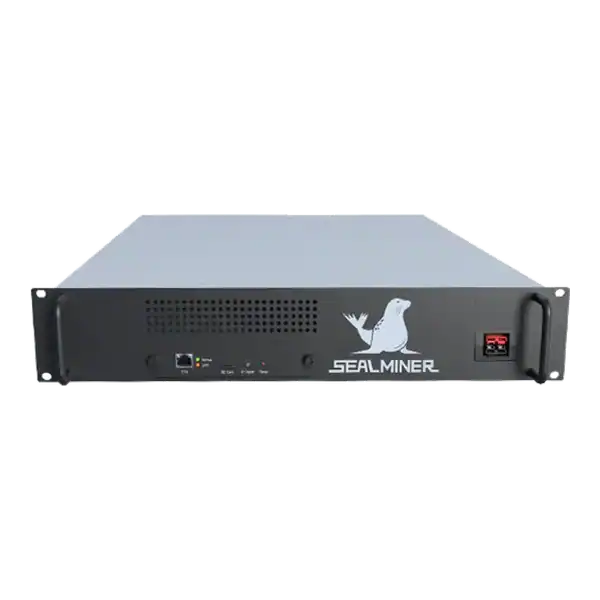

886TH
HASHRATE
9.45W/TH
EFFICIENCY
8373W
POWER
£844.64
EST. MONTHLY
NO PAYBACK
EST. ROI
BIP 345 guide covering its Closed status, two proposed tapscript opcodes, trigger-delay-withdrawal and recovery paths, CTV dependency and BIP 443 replacement.
This guide explains BIP 345 OP_VAULT in plain English. It covers the problem behind the BIP, why it matters and whether the proposal is part of Bitcoin today.
BIP 345 OP_VAULT: BIP 345 is Closed, not Draft, Final or Deployed. Its scripts are historical proposal material and must not be presented as valid mainnet custody instructions.
A node operator is checking BIP 345 OP_VAULT. Triggering creates an intermediate state whose delayed withdrawal can be redirected to recovery before finalisation. A vault taptree contains a normal OP_VAULT leaf and an OP_VAULT_RECOVER leaf.
BIP 345 is Closed, not Draft, Final or Deployed. Its scripts are historical proposal material and must not be presented as valid mainnet custody instructions.
A vault taptree contains a normal OP_VAULT leaf and an OP_VAULT_RECOVER leaf. Triggering creates an intermediate state whose delayed withdrawal can be redirected to recovery before finalisation.
The design relied on BIP 119 OP_CHECKTEMPLATEVERIFY to commit the final withdrawal to selected outputs. BIP 119 itself is not active Bitcoin consensus behaviour.

The proposal sought reusable configurations, batching, partial withdrawals, targets chosen at trigger time and dynamic fee management without storing presigned bearer transactions forever.
Security depended on monitoring vault outpoints, detecting unexpected triggers quickly and retaining access to a deliberately protected recovery policy. A delay creates response time, not automatic safety.
Watchtower outages, compromised recovery keys, fee spikes, policy mistakes, address reuse and untested recovery ceremonies could still cause loss even in a hypothetical deployment.
The header names BIP 443 as the proposed replacement. Readers should follow the newer specification separately rather than treating BIP 345 parameter details as current direction. Build a revision-pinned evidence pack on an isolated node, wallet or protocol harness.
BIP 345 OP_VAULT: BIP 345 is Closed, not Draft, Final or Deployed. Its scripts are historical proposal material and must not be presented as valid mainnet custody instructions.
BIP 345 is Closed, not Draft, Final or Deployed. Its scripts are historical proposal material and must not be presented as valid mainnet custody instructions.
A vault taptree contains a normal OP_VAULT leaf and an OP_VAULT_RECOVER leaf.
The design relied on BIP 119 OP_CHECKTEMPLATEVERIFY to commit the final withdrawal to selected outputs.
BIP 345 is useful history for understanding vault design, but it is not deployable Bitcoin functionality. Its enduring lesson is that delayed custody needs both consensus rules and a rigorously tested monitoring and recovery operation.
Check the current specification status and the documentation for the exact implementation you operate before moving production funds or changing a mining node.

BIP 441 guide to the Draft tapleaf 0xC2 script-restoration proposal, varops, stack limits, unsigned arithmetic, restored opcodes and safety testing.
BIP 440 guide to the Draft transaction-wide variable-operation budget, weight scaling, opcode cost classes, benchmarks, validation and soft-fork status.
BIP 361 guide to the Draft informational post-quantum migration and legacy-signature sunset proposal, phases, prerequisites, risks and readiness planning.
Join the ASIC Mining Discussion
Members can read and join the discussion
Log in to read comments from other miners. Create a free account if you would like to ask a question or share your experience.
Membership helps us protect the discussion from spam and keep answers useful.