
Pre-order
Overall ranking

Equihash
·
ZEC
Overall rank#1of 100AvailableAll: #2 / 831
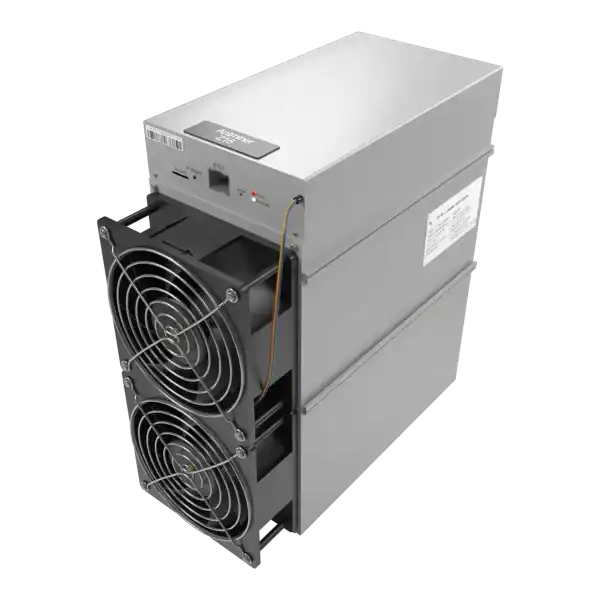

Pre-OrderFree Shipping
Hashrate
525KSOL
Efficiency
4.73W/KSOL
Power
2483W
Earns/kWh
42.2p
Compare Lightning payouts for Bitcoin miners with on-chain withdrawals, including thresholds, fees, liquidity, custody, records and wallet security.
Lightning payouts for Bitcoin miners can make small and frequent pool withdrawals practical, especially when an on-chain threshold would take a long time to reach. They also introduce wallet compatibility, inbound liquidity, custody and record keeping questions. The right choice depends on the pool's current rules, the receiving wallet and how the business intends to hold or spend its Bitcoin.
Lightning payouts for Bitcoin miners: Lightning payouts can make small Bitcoin mining rewards usable sooner and reduce dependence on a high on-chain threshold.
A miner is checking Lightning payouts for Bitcoin miners. Compare Bitcoin ASIC miners and current profitability on The Mining Shop UK, then use the chosen pool's official documentation to test a small Lightning payout before changing the main withdrawal rule.
A mining pool first calculates the miner’s reward under its payout method. Lightning changes the withdrawal rail, not the proof of work, share accounting or reward formula. Until the pool sends the payment, the balance remains subject to the pool’s terms and operational risk.
The receiving wallet supplies an invoice, Lightning address or reusable offer supported by the pool. The pool routes the payment through Lightning channels. A successful payment updates channel balances and provides a payment record without creating a separate on-chain transaction for that payout.
Implementations differ. Braiins documents scheduled Lightning rules and manual invoice withdrawals with its own current minimum and maximum. OCEAN documents BOLT12 offers and an on-chain fallback after failed Lightning attempts. Verify the live pool documentation rather than assuming one setup applies everywhere.

On-chain withdrawals consume block space and may carry a minimum or fee. A small ASIC can take a long time to reach a free on-chain threshold. Lightning lets some pools send much smaller amounts and can confirm quickly when a route is available.
More frequent withdrawal reduces the balance left with the pool. It can also make operating cash visible sooner. That benefit must be weighed against the security and liquidity model of the receiving wallet.
| Factor | Lightning | On-chain |
|---|---|---|
| Typical use | Small or frequent payouts | Larger settlement to a Bitcoin address |
| Receiver requirement | Compatible wallet and route or liquidity | Valid Bitcoin address |
| Public chain record | Channel settlement is not one transaction per payout | Transaction visible on the Bitcoin chain |
| Limits | Pool and wallet specific | Pool threshold and network policy specific |
| Failure handling | Retry, new invoice or pool fallback | Mempool delay or fee management |
A custodial Lightning wallet manages channels and liquidity for the user. This is convenient but means the provider controls the keys. Review withdrawal rules, identity requirements, jurisdiction, limits and recovery before directing mining income there.
A self-custodial wallet or node gives the operator key control but also responsibility for seed or static backup, software updates, channel recovery, watchtower or monitoring choices and on-chain fee reserves. A node is an operational service, not just an address.
Do not select a wallet only because a pool lists it as compatible. Test a small manual payout, verify recovery and decide how much Lightning balance the business is prepared to hold.
Receiving Lightning payments requires inbound liquidity or a wallet service that handles it. A newly opened self-funded channel normally begins with spendable outbound balance, not an equal ability to receive. Liquidity changes as payments move.
Estimate the largest expected payout and frequency. Keep enough inbound capacity through suitable peers, swaps or a liquidity service. Monitor failed and delayed payouts at both the pool and wallet. Repeated mining receipts can gradually consume inbound capacity.
Invoice formats also matter. A BOLT11 invoice normally has an amount and expiry. A Lightning address get invoices through a service. BOLT12 offers can be reusable where supported. Confirm the exact format the pool accepts.
Export pool reward statements showing period, hashrate, method, fees and amount. Pair each withdrawal with the wallet payment record, timestamp, payment hash or reference and satoshi value. Record the sterling valuation and accounting basis consistently with professional advice.
A Lightning receipt may not have a unique on-chain transaction identifier. That does not remove the need to record income, reconcile the pool balance or prove control. Keep exports before closing a pool or wallet account.
If funds later move on-chain, record that as a transfer rather than counting the same mining income again. Separate pool service fees, routing or swap fees and exchange fees.
Protect the pool account with unique credentials and multifactor authentication. Lock the payout destination where the pool supports it. Confirm changes through a known official route and delay large withdrawals after any destination change.
For self custody, keep recovery material offline and test the documented recovery procedure with an appropriate small balance. Restrict node administration, update from official sources and maintain on-chain funds needed for channel operations.
Do not paste an invoice or seed phrase into unsolicited support chats. An invoice is a request to receive a particular payment. A seed phrase controls funds and should never be given to the pool.
Lightning is attractive when pool earnings are small, the on-chain threshold is slow to reach and the receiving wallet has reliable inbound liquidity. It can also suit businesses that spend some Bitcoin over Lightning.
Use a tested payout rule and reconcile each credit automatically or at a defined interval.
On-chain settlement may be clearer for long-term cold storage, larger withdrawals or teams that cannot securely operate Lightning. It may also be the fallback when wallet compatibility or liquidity is unreliable.
The best arrangement can use Lightning for small routine amounts and periodic on-chain consolidation, subject to pool rules and fees.
Test the full route with the smallest practical amount, confirm the accounting export and recovery process, then increase the payout rule conservatively.
Lightning payouts for Bitcoin miners: Lightning payouts can make small Bitcoin mining rewards usable sooner and reduce dependence on a high on-chain threshold.
A mining pool first calculates the miner's reward under its payout method.
On-chain withdrawals consume block space and may carry a minimum or fee.
A custodial Lightning wallet manages channels and liquidity for the user. This is convenient but means the provider controls the keys.
Lightning payouts can make small Bitcoin mining rewards usable sooner and reduce dependence on a high on-chain threshold. They are not a universal upgrade. Confirm pool limits and format, choose custody consciously, provide inbound liquidity and preserve a complete reconciliation trail. Keep cold storage, operational wallet and pool balances within a written risk policy.
Compare Bitcoin ASIC miners and current profitability on The Mining Shop UK, then use the chosen pool’s official documentation to test a small Lightning payout before changing the main withdrawal rule.
Lightning can reduce the practical threshold and confirmation delay for small pool payouts. But limits and fees are set by each pool. Self custody requires compatible software, secure backups and enough inbound liquidity. Custodial wallets transfer counterparty risk to the provider.
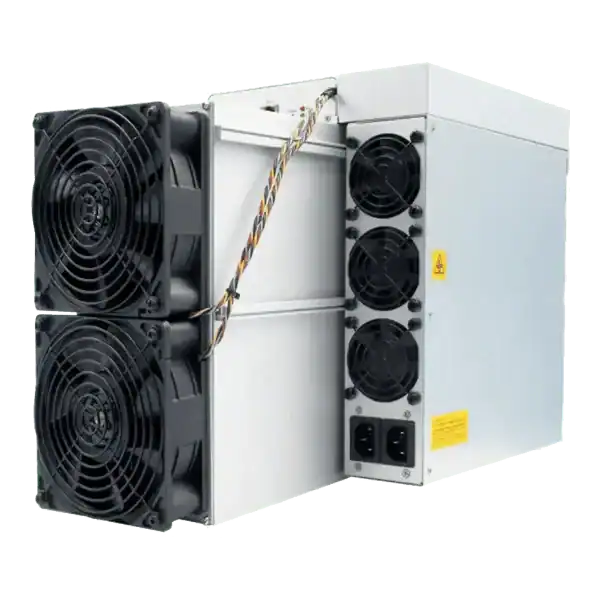
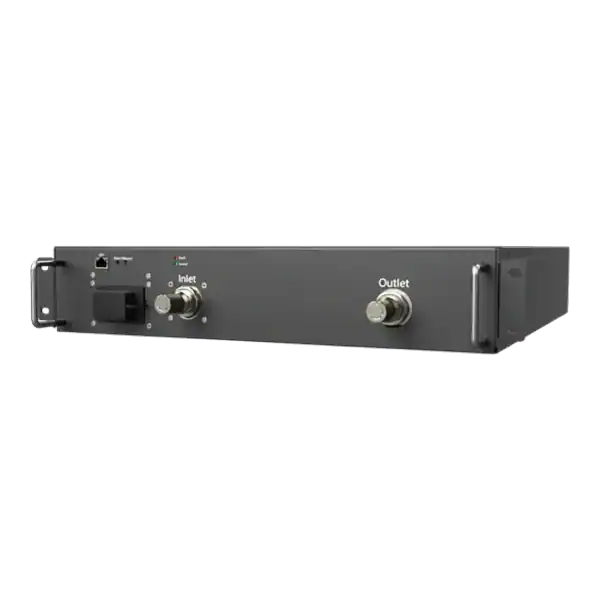
Run a mini miner pool failover test covering verified endpoints, worker identity, payout destination, timeout, accepted shares, recovery and residual balances.
Compare Bitcoin mining pool payouts by reward method, fees, transaction-fee treatment and variance to understand what your hashrate may retain.
Audit Scrypt auxiliary reward accounting for merged-mined coins, pool allocation, donation or conversion rules, fees, minimums and final payout evidence.

Join the ASIC Mining Discussion
Members can read and join the discussion
Log in to read comments from other miners. Create a free account if you would like to ask a question or share your experience.
Membership helps us protect the discussion from spam and keep answers useful.