

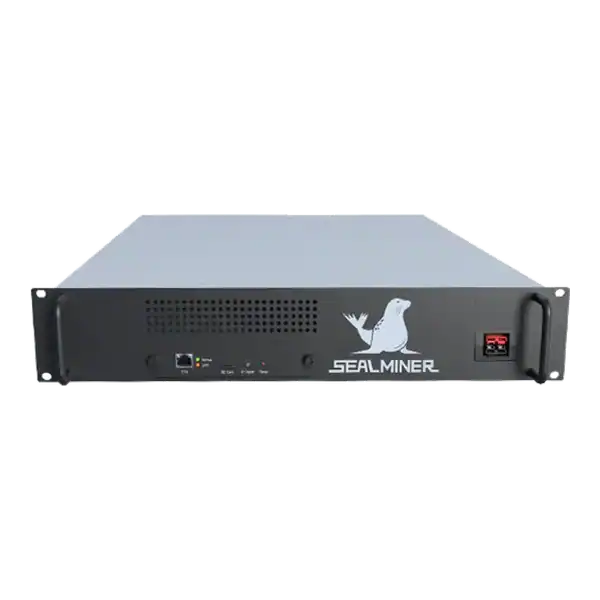
Sealminer A4 Ultra Hydro
Bitcoin & Bitcoin Cash ASIC Miner

886TH
HASHRATE
9.45W/TH
EFFICIENCY
8373W
POWER
£884.60
EST. MONTHLY
NO PAYBACK
EST. ROI
Compare Bitcoin mining pool payouts by reward method, fees, transaction-fee treatment and variance to understand what your hashrate may retain.

Bitcoin mining pool payouts should be compared by reward method, fees, transaction-fee treatment and the amount of short-term variance carried by the miner. Bitcoin mining payout methods determine how a pool calculates rewards, allocates short-term luck and distributes transaction fees.
Mining payout labels describe who carries the short-term risk of pool luck and how transaction fees are shared. FPPS is designed for predictable share-based income, PPS+ mixes fixed subsidy payments with variable fee distribution, PPLNS follows actual pool results, and solo mining concentrates the entire outcome into rare block finds.
Bitcoin mining pool payouts: Start with cash flow. A hosted fleet with monthly bills may value FPPS stability. A long-horizon miner may accept PPLNS variance.
A miner wants to understand Bitcoin mining pool payouts. The Mining Shop UK can test your machine on your chosen pool before dispatch and help you understand the pool URL, worker name and backup configuration without ever needing your account password or seed phrase.
A Bitcoin ASIC searches for hashes below a target. A network-valid result can produce a block. Pools set an easier share target so miners can submit frequent proofs of work, allowing contribution to be measured without each machine finding a block.
Pool luck is the gap between statistically expected and actually found blocks over a period. The payout method divides that short-term variance between pool and miner. It does not make the hashrate stronger. Labels vary. So read the operator's current rules.

Under FPPS, the pool credits valid shares using expected block-subsidy and transaction-fee values, less its fee. Revenue is smoother during poor pool luck because the operator carries more short-term variance and normally prices for it. FPPS can suit operators matching BTC receipts against regular power and hosting bills.
Predictable does not mean profitable: downtime, rejects, difficulty and the pool's formula still change credited revenue. Check fee calculation, settlement and corrections.
PPS+ is a hybrid. The subsidy is generally paid through Pay Per Share. At the same time, transaction fees use a PPLNS-style calculation linked to blocks found and recent contribution. The main component is steadier while the fee component follows pool luck.
Ask how the pool defines the window, handles high-fee blocks and treats switching workers. Its published calculation, not the shorthand label, determines your account.
PPLNS distributes actual block rewards across a defined window of recent valid shares. Good pool luck can lift short-term payments. Bad luck reduces them. A week or month is not promised to match statistical expectation. The 'N'. Defines the share window. Starting, stopping or pool-hopping changes your presence within it.
So understand ramp-up and post-disconnection treatment. PPLNS suits miners who can accept variable cash flow. Compare the exact window, fee, transparency and block record.
Solo work is not combined into a conventional shared payout. Find an accepted network block and you receive its subsidy and fees, less any infrastructure or solo-pool charge. Otherwise there is no partial reward for near misses. For hashrate small relative to the network, cash flow is extremely uneven.
A possible block may not arrive during the machine's life. A solo pool can simplify connectivity and submission. But cannot turn the outcome into steady income.
| Method | What drives payment | Short-term variance for miner | Transaction fees | Often suits |
|---|---|---|---|---|
| FPPS | Valid shares and expected-value formula | Lower | Expected or averaged under pool formula | Predictable operating cash flow |
| PPS+ | PPS subsidy plus block-linked fee component | Low to moderate | Usually PPLNS-style | Miners wanting a steady core with actual fee exposure |
| PPLNS | Actual pool blocks and recent-share window | Higher | Usually paid from blocks found | Long-horizon miners comfortable with pool luck |
| Solo | Your work finds an accepted network block | Extreme | Included with a successful block | Miners intentionally accepting rare, concentrated outcomes |
These are general characteristics. A pool can use its own definitions, reserve method, fee calculation and settlement rules. Treat its live terms as authoritative for that service.
Start with cash flow. A hosted fleet with monthly bills may value FPPS stability. A long-horizon miner may accept PPLNS variance. Choose solo intentionally, not because expected daily value looked like a payment schedule. Look beyond the label. Compare fees, fee treatment, thresholds, payout network, settlement, server locations, security, reporting and block history.
Confirm support for the coin, algorithm and connection method. Accepted hashrate connects the ASIC to every scheme. Distance or incompatibility can make a cheap pool costly through rejects. Use suitable regional and backup endpoints, secure the account and compare accepted hashrate, credited BTC, fees and downtime over a fair period.
There is no payout method that creates extra work from the same ASIC. FPPS smooths expected subsidy and fee revenue. PPS+ blends a steady subsidy method with variable fee distribution. PPLNS passes more pool-luck variance to the miner. And solo concentrates the entire result into finding a valid block.
Choose the risk profile that fits your bills and time horizon, then verify the pool's actual formula, fee, reliability and security. The name on the method is only the beginning of the comparison.
Bitcoin mining pool payouts: Start with cash flow. A hosted fleet with monthly bills may value FPPS stability.
A Bitcoin ASIC searches for hashes below a target. A network-valid result can produce a block.
Under FPPS, the pool credits valid shares using expected block-subsidy and transaction-fee values, less its fee.
PPS+ is a hybrid. The subsidy is generally paid through Pay Per Share.
Buying or setting up a Bitcoin ASIC? The Mining Shop UK can test your machine on your chosen pool before dispatch and help you understand the pool URL, worker name and backup configuration without ever needing your account password or seed phrase.
FPPS pays for valid work using expected block-subsidy and transaction-fee values, subject to the pool's formula and fee. PPS+ normally pays the subsidy on a pay-per-share basis and distributes transaction fees using a PPLNS-style method.
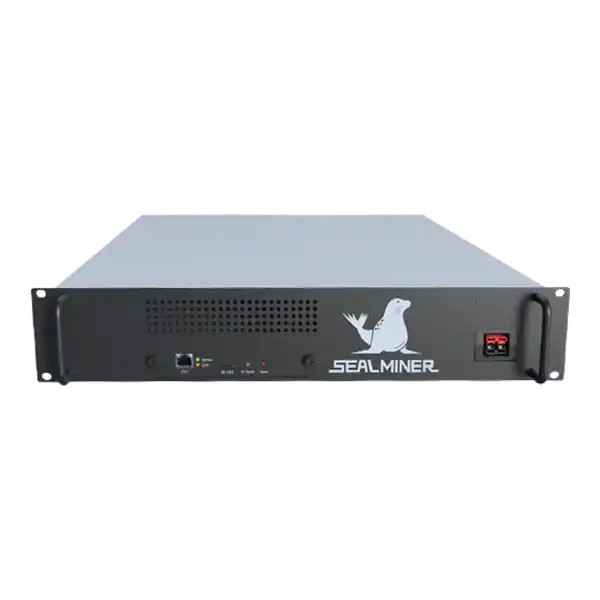

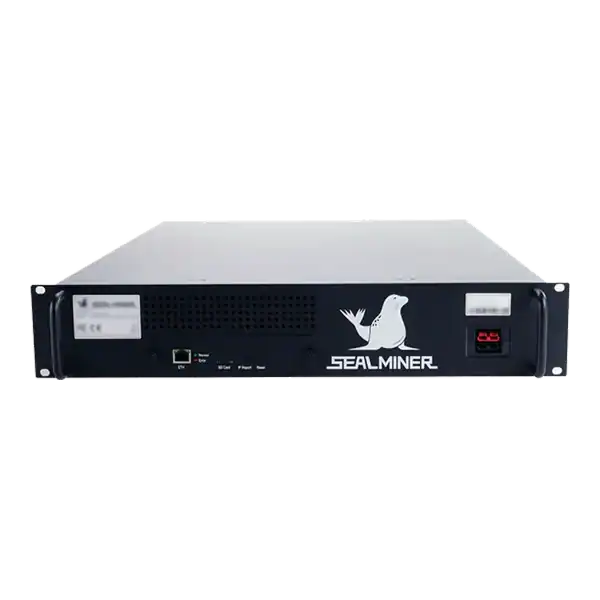
Run a mini miner pool failover test covering verified endpoints, worker identity, payout destination, timeout, accepted shares, recovery and residual balances.
Audit Scrypt auxiliary reward accounting for merged-mined coins, pool allocation, donation or conversion rules, fees, minimums and final payout evidence.
Reconcile halving block reward accounting across subsidy height, transaction fees, pool method, credited shares and miner payouts before and after the event.
Join the ASIC Mining Discussion
Members can read and join the discussion
Log in to read comments from other miners. Create a free account if you would like to ask a question or share your experience.
Membership helps us protect the discussion from spam and keep answers useful.