ASIC mining for beginners: A Practical UK Guide focuses on the practical decision behind ASIC mining for beginners, including hardware, power, safety, cost.
TL;DR
ASIC Mining for Beginners: A Practical UK Guide focuses on the practical decision behind ASIC mining for beginners, including hardware, power, safety, cost and the checks a UK operator should complete.
Start with the real operating requirement behind ASIC mining for beginners, not a headline hashrate or revenue figure.
Measure wall power, heat, noise, rejected shares and uptime under the conditions in which the miner will run.
Confirm electrical capacity, cooling, network access, warranty and commercial terms before committing equipment.
Keep written assumptions and update them when energy prices, network conditions or hardware availability change.
ASIC mining for beginners in simple English
ASIC mining for beginners: Cryptomining, or cryptocurrency mining, is the process of verifying transactions on a blockchain network and adding them to the ledger.
Simple example
A miner wants to understand ASIC mining for beginners. Before diving in, you need to understand the hardware requirements for cryptomining. Miners solve complex mathematical problems using specialised hardware, earning rewards in the form of cryptocurrency.
Key terms in plain English
ASIC:
A computer built to do one specialised job. A mining ASIC is designed for a particular proof-of-work algorithm.
Hashrate:
The amount of mining work a machine attempts each second. More hashrate does not guarantee more profit.
Efficiency:
How much electricity a miner uses for a set amount of work. Lower joules per terahash usually means better efficiency.
Wall power:
The electricity measured at the socket or supply. It includes losses that a headline chip figure may leave out.
Mining pool:
A service that combines work from many miners and shares rewards using stated rules.
What is Cryptomining?
Cryptomining, or cryptocurrency mining, is the process of verifying transactions on a blockchain network and adding them to the ledger. Miners solve complex mathematical problems using specialised hardware, earning rewards in the form of cryptocurrency. This process is fundamental to blockchain technology, ensuring the network’s security and decentralisation.
Why Start Cryptomining?
With the rise of blockchain-based technologies, cryptomining has become a lucrative way to earn cryptocurrency. Here are a few reasons why you should consider starting your cryptomining process:
Potential for Passive Income: Once set up, a mining rig can generate a steady income.
Contribution to Blockchain Security: By mining, you’re supporting the decentralised nature of cryptocurrency.
Growing Market: As adoption increases, the demand for miners continues to rise.
Understanding the Basics of Cryptomining Hardware
Before diving in, you need to understand the hardware requirements for cryptomining. Your choice of equipment will depend on the cryptocurrency you intend to mine. Below are the primary options:
1. ASIC Miners
Application-Specific Integrated Circuits (ASICs) are tailored for mining specific cryptocurrencies like Bitcoin.
Pros: Highly efficient and powerful.
Cons: Expensive and not suitable for all coins.
2. GPU Mining
Graphics Processing Units (GPUs) are versatile and widely used for mining various cryptocurrencies, such as Ethereum.
Pros: Flexible, suitable for different algorithms.
Cons: Lower efficiency compared to ASICs for some coins.
3. CPU Mining
Mining using your computer’s central processing unit.
Pros: Accessible for beginners.
Cons: Less profitable for most cryptocurrencies.
4. Mining Rigs
A mining rig is a setup of multiple GPUs or ASICs working together.
Investing in a professionally assembled rig can save time and optimise performance.
At The Mining Shop, we offer pre-built mining rigs and expert advice for newcomers.
Selecting the Right Cryptocurrency to Mine
Not all cryptocurrencies are equally profitable to mine. Research is key when deciding which coin to focus on. Here are a few popular options:
Bitcoin (BTC): High value but requires powerful ASICs.
Ethereum (ETH): GPU-friendly and widely supported.
Litecoin (LTC): ASIC-compatible and faster to mine than Bitcoin.
Monero (XMR): Privacy-focused and CPU-friendly.
Use online profitability calculators to determine which cryptocurrency is worth your investment.
Setting Up Your Mining Operation
1. Location
Choose a location with low electricity costs and good ventilation.
Noise and heat can be significant concerns for mining setups.
2. Hardware Installation
Assemble your mining rig or set up your ASIC miner.
Ensure proper cooling with fans or air conditioning.
3. Software Configuration
Install mining software specific to the coin you’re mining.
Popular options include CGMiner, NiceHash, and Claymore.
4. Wallet Setup
Create a cryptocurrency wallet to store your mined coins securely.
Consider hardware wallets for added security.
5. Join a Mining Pool
Mining pools combine resources from multiple miners to improve success rates.
Examples: Slush Pool, F2Pool, and Ethermine.
Costs to Consider
Cryptomining involves various upfront and ongoing costs, including:
Hardware Costs: ASICs or GPUs are a significant investment.
Electricity: Mining consumes a lot of power, so monitor energy efficiency.
Maintenance: Replace parts as needed and keep the setup running optimally.
Optimising Your Cryptomining process
1. Energy Efficiency
Invest in power-efficient hardware and explore renewable energy sources.
2. Regular Maintenance
Keep your equipment clean and check for wear and tear.
3. Keep Learning
Stay updated with the latest trends and news in cryptocurrency mining.
Cryptomining isn’t without its challenges. Here are some potential risks:
Market Volatility: Cryptocurrency prices can fluctuate dramatically.
Regulatory Risks: Some countries have restrictions on mining.
Hardware Obsolescence: Technology evolves quickly, making older equipment less profitable.
Getting Help from Experts
Starting your cryptomining process can be overwhelming, but you don’t have to go it alone. At The Mining Shop, we specialize in helping beginners and professionals alike. Our team provides:
Mining Rig Setup: A clear image showing a typical mining rig with GPUs.
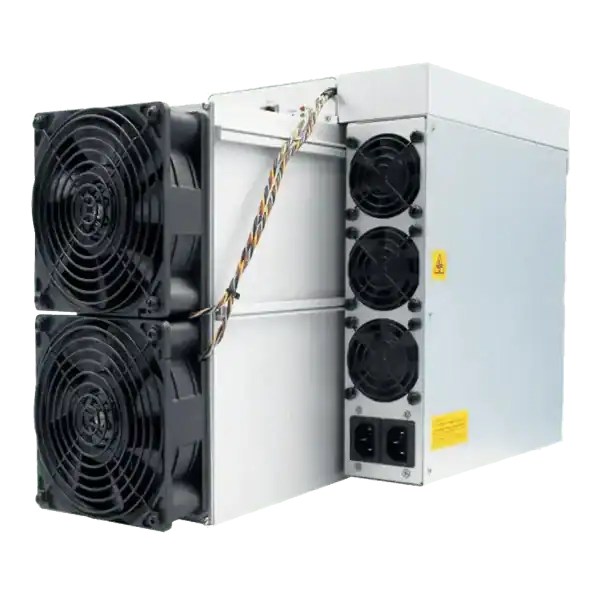
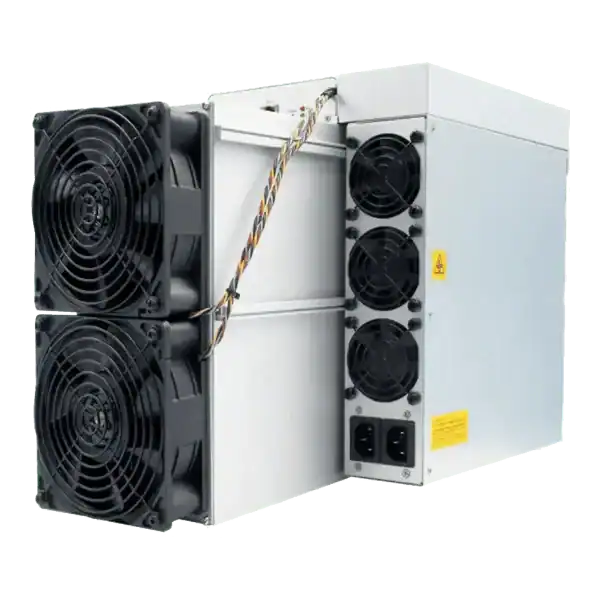
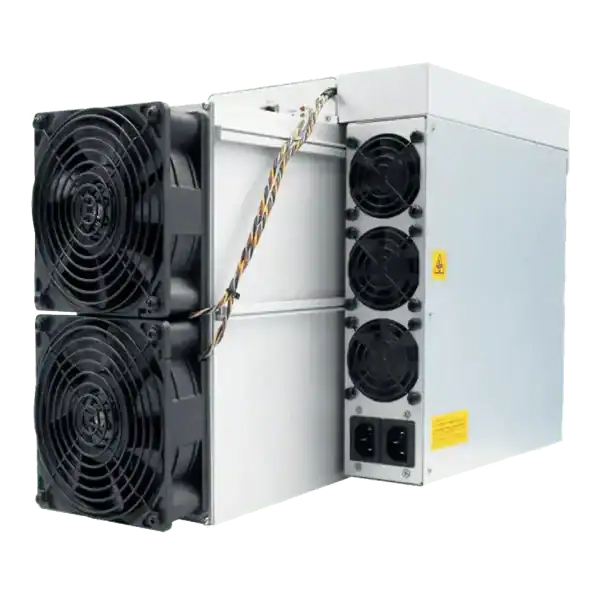
ASIC Miner: A snapshot of an ASIC mining device.
Cryptocurrency Wallet: Visual representation of a digital wallet.
ASIC Mining for Beginners: A Practical UK Guide 2
Practical conclusion
What to verify before acting
Mining networks, pool support, firmware, exchange access and hardware availability can change. Verify the current network documentation, test with a small controlled configuration and do not rely on a historical profitability figure when purchasing equipment.
Frequently asked questions
What is the main point of ASIC mining for beginners?
ASIC mining for beginners: Cryptomining, or cryptocurrency mining, is the process of verifying transactions on a blockchain network and adding them to the ledger.
For ASIC mining for beginners, what should a beginner know about what is Cryptomining?
Cryptomining, or cryptocurrency mining, is the process of verifying transactions on a blockchain network and adding them to the ledger.
For ASIC mining for beginners, why Start Cryptomining?
With the rise of blockchain-based technologies, cryptomining has become a lucrative way to earn cryptocurrency.
For ASIC mining for beginners, what should a beginner know about understanding the Basics of Cryptomining Hardware?
Before diving in, you need to understand the hardware requirements for cryptomining.
Conclusion: ASIC mining for
Start with the real operating requirement behind ASIC mining for, not a headline hashrate or revenue figure. Measure wall power, heat, noise, rejected shares and uptime under the conditions in which the miner will run.
Darren Waggott is the visionary Founder and CEO of The Mining Shop UK, with over a decade of leadership in the cryptocurrency mining sector. Renowned for driving innovation, Darren has built a company dedicated to providing high-quality ASIC miners and comprehensive hosting services. His forward-thinking approach places The Mining Shop UK at the forefront of the industry.
Membership helps us protect the discussion from spam and keep answers useful.
ASIC MINING SUPPORT
Need Help Choosing an ASIC Miner?
Tell us what you want to mine, your electricity cost and where the machine will run. We can help you compare hardware, power requirements, hosting and repairs.
We use necessary cookies to run the shop and optional analytics cookies to understand how visitors use the site and improve shopping and checkout. You can accept analytics, use only necessary cookies, or choose settings. You can change your choice at any time.
Functional
Always active
The technical storage or access is strictly necessary for the legitimate purpose of enabling the use of a specific service explicitly requested by the subscriber or user, or for the sole purpose of carrying out the transmission of a communication over an electronic communications network.
Preferences
The technical storage or access is necessary for the legitimate purpose of storing preferences that are not requested by the subscriber or user.
Statistics
The technical storage or access that is used exclusively for statistical purposes.The technical storage or access that is used exclusively for anonymous statistical purposes. Without a subpoena, voluntary compliance on the part of your Internet Service Provider, or additional records from a third party, information stored or retrieved for this purpose alone cannot usually be used to identify you.
Marketing
The technical storage or access is required to create user profiles to send advertising, or to track the user on a website or across several websites for similar marketing purposes.




Join the ASIC Mining Discussion
Members can read and join the discussion
Log in to read comments from other miners. Create a free account if you would like to ask a question or share your experience.
Membership helps us protect the discussion from spam and keep answers useful.