

Sealminer A4 Ultra Hydro
Bitcoin & Bitcoin Cash ASIC Miner
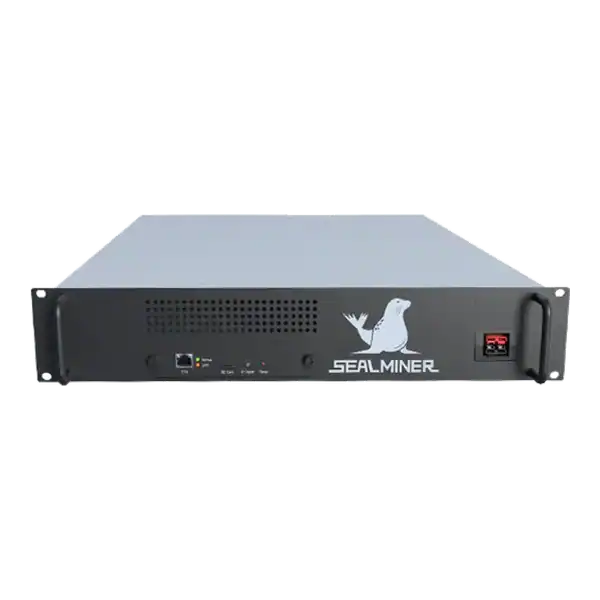

886TH
HASHRATE
9.45W/TH
EFFICIENCY
8373W
POWER
£898.19
EST. MONTHLY
NO PAYBACK
EST. ROI
Understand kHeavyHash pool share difficulty, variable difficulty ports, low difficulty rejects, marketplace order limits and a controlled Kaspa miner test.
kHeavyHash pool share difficulty is an accounting threshold for work submitted by a miner. It is not Kaspa network difficulty and it is not the same as a marketplace minimum order limit. Pools may set difficulty automatically through variable difficulty or provide ports for different worker sizes.
A mismatch can cause submissions that are too frequent, delayed statistics or low difficulty share errors. This article explains configuration and evidence. It is distinct from the wider rejected-share diagnosis guide. This covers network, stale, duplicate and hardware faults across algorithms.
KHeavyHash pool share difficulty: A kHeavyHash worker is easier to diagnose when every threshold has a name. Network difficulty secures the chain, share difficulty accounts for worker contribution and marketplace limits govern a separate commercial order.
A miner is checking kHeavyHash pool share difficulty. A fixed port may instead target a hashrate band. Write the intended outcome before looking at a headline hashrate.
Network difficulty sets the threshold for a block accepted by the Kaspa network. Pool share difficulty is normally lower so workers can submit frequent evidence of contributed work.
Variable difficulty, often called vardiff, allows a pool to adjust a worker’s threshold towards a useful share interval. A fixed port may instead target a hashrate band.
A hashpower marketplace can impose order price, speed, duration or balance limits. Those commercial limits do not rewrite the pool or network proof threshold.
Write the intended outcome before looking at a headline hashrate. A learning device, a useful room heater, a quiet home miner and a commercially productive machine are different purchases. The correct comparison changes when the available circuit, sound limit, heat demand, pool route or expected ownership period changes.
Use a dated decision sheet and keep manufacturer claims separate from measured results. Record the exact model, variant, power supply, firmware and operating mode. Similar product names do not make accessories, voltage, firmware or thermal limits interchangeable.

Read the current pool connection page and Kaspa mining documentation. Record hostname, port, transport, username format, payout rules, fee and region.
Use pool-side accepted hashrate and rejection reason rather than inferring success from the miner’s local rate. Pool tables may be delayed or statistically noisy over short periods.
Check manufacturer protocol and logs for specific responses such as low difficulty share. Preserve the exact time, endpoint and worker when seeking pool support.
Prefer the manufacturer specification, manual and firmware portal for identity and limits. But treat them as the starting point rather than a promise of site performance. Keep a copy of the pages and files used because support pages, downloads and product revisions can change.
Ask the seller for a serial photograph, condition statement, included accessories and a recent operating record for the actual unit. A generic product image cannot prove board revision, power supply condition, repair history or whether the miner reaches stable accepted work.
Choose the closest approved regional endpoint and stable wired connectivity. Avoid unnecessary proxies until the direct baseline is known.
Use the pool-recommended vardiff or port. Do not copy a static difficulty from a different pool, model or rented-hash order without confirming the units and syntax.
Protect pool and marketplace accounts with strong authentication. Miners need worker and payout details, not wallet recovery words or exchange withdrawal authority.
A competent person should confirm the electrical route for the real continuous load. Check voltage, protective device, earthing, cable, connector, socket, isolation and ventilation together. Do not assume that a plug physically fitting a socket proves that the circuit is suitable for sustained operation.
Place the miner on a trusted network segment with no unnecessary inbound exposure. Change supplied credentials, use a documented wallet and pool account, set approved backup endpoints and confirm that every endpoint belongs to the intended operator before power is applied.
Measure accepted and rejected shares, reject reasons, round trip time, reconnects and pool-side hashrate across a long enough interval for share variance.
If submissions are rejected as low difficulty, compare the worker target, selected port and any marketplace order settings. Change one variable at a time.
Reconcile paid output after pool fees and any marketplace charges against complete wall energy. A technically valid order can still be economically unsuitable.
Measure power at the wall and compare local hashrate with accepted pool work over a representative period. Local display figures can look healthy while stale shares, invalid work, reconnects or a wrong payout address reduce useful output.
Calculate revenue and cost over a range, not one favourable day. Include electricity, pool fees, auxiliary cooling, maintenance, downtime, conversion costs and hardware value. For a heat-use case, credit only heat that replaces a cost the owner would otherwise incur.
| Risk | Evidence to get | Control |
|---|---|---|
| Network and share difficulty confused | Protocol and pool definitions | Label each boundary |
| Wrong port for worker size | Current pool recommendation | Use vardiff or correct band |
| Low difficulty shares | Miner log and assigned target | Correct target negotiation |
| Short window looks unstable | Longer accepted-share sample | Allow for variance |
| Marketplace limit treated as protocol | Order terms and pool settings | Separate commercial controls |
Rank each risk by consequence and by the practical ability to detect it before purchase. A low-priced machine with uncertain firmware, exhausted cooling or a weak algorithm market can require more working capital and attention than a newer unit with a higher invoice price.
Set written stop conditions. Examples include an unsafe supply, unavailable official firmware, rejected work above the approved limit, repeated thermal shutdown, no lawful payout route or an energy break-even price below the contracted rate. A stop condition prevents sunk cost from becoming the reason to continue.
Connect one miner directly to the approved regional pool at stock settings. Record the assigned difficulty, accepted interval, rejects and pool-side rate.
Then test one deliberate backup endpoint change. Restore the baseline if rejects, latency or assigned difficulty become unsuitable, and verify the payout remains under the intended account.
Begin with one unit or the smallest sensible batch. Photograph labels and connections, export the original configuration, note ambient conditions and record the start time. Watch the kernel or system log, board detection, fan behaviour, temperatures, local hashrate, pool connection and accepted work.
Do not declare acceptance from a short dashboard snapshot. Run long enough to expose heat soak, intermittent network faults and pool variance. Retain the test record with the invoice, serial number, firmware file and any seller correspondence so a later repair or warranty question has a clear baseline.
The checklist is deliberately evidence based. Marketing language such as home friendly, efficient or profitable has no fixed meaning without a measured operating mode and a real site boundary. The record should make it possible for another competent person to reproduce the decision.
KHeavyHash pool share difficulty: A kHeavyHash worker is easier to diagnose when every threshold has a name.
Network difficulty sets the threshold for a block accepted by the Kaspa network.
Read the current pool connection page and Kaspa mining documentation. Record hostname, port, transport, username format, payout rules, fee and region.
Choose the closest approved regional endpoint and stable wired connectivity. Avoid unnecessary proxies until the direct baseline is known.
A kHeavyHash worker is easier to diagnose when every threshold has a name. Network difficulty secures the chain, share difficulty accounts for worker contribution and marketplace limits govern a separate commercial order. Use current endpoints, let the pool assign an appropriate target where supported and prove the result from accepted work over time.
Use The Mining Shop UK tools and support pages to compare the exact hardware against your real electricity, installation, pool and operating constraints before ordering or commissioning it.
Keep network difficulty, pool share difficulty and marketplace order limits as three separate values. Use the pool's current kHeavyHash endpoint and recommended port for the miner's accepted hashrate.
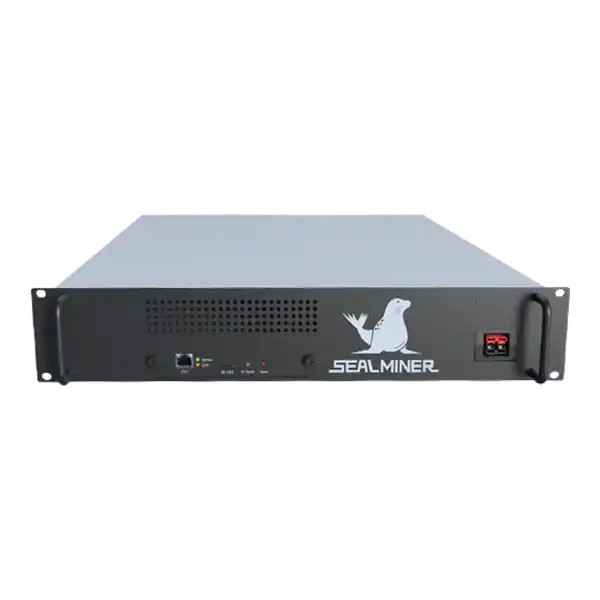

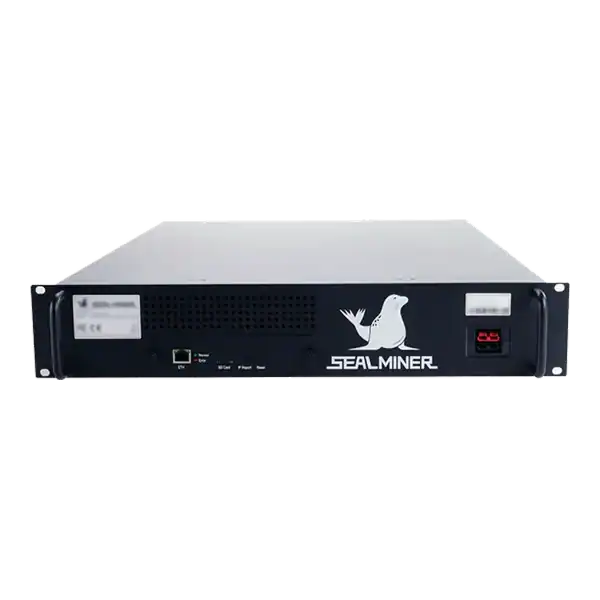
Mining pool ownership due diligence: check mining pool ownership, legal entity, beneficial control, infrastructure, payout custody, related services, sanctions.
Plan a solo mining variance reserve around fixed costs, expected block intervals, uptime, liquidity, accounting and a documented stop or pool-switch rule.
Verify a mining pool Bitcoin chain policy made simple. See how the network works, which hardware matters and what to check before using electricity.
Join the ASIC Mining Discussion
Members can read and join the discussion
Log in to read comments from other miners. Create a free account if you would like to ask a question or share your experience.
Membership helps us protect the discussion from spam and keep answers useful.