
Pre-order
Overall ranking

Equihash
·
ZEC
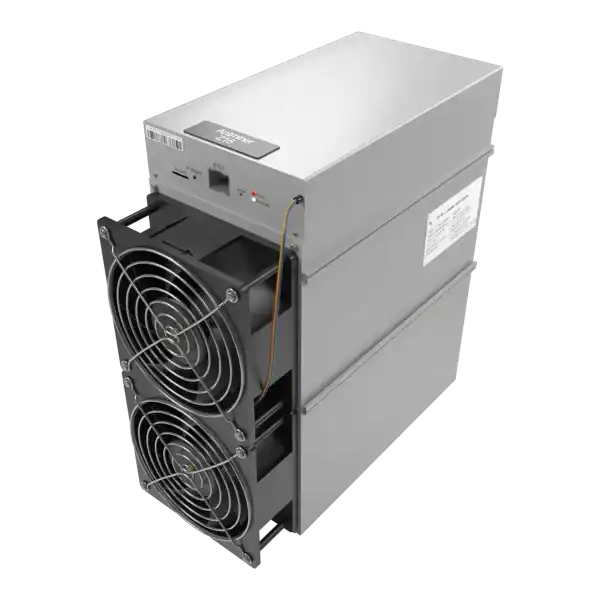
Overall rank#1of 100AvailableAll: #2 / 831

Pre-OrderFree Shipping
Hashrate
525KSOL
Efficiency
4.73W/KSOL
Power
2483W
Earns/kWh
41.7p
Assess Bitcoin mining energy claims by defining boundaries, metering location, energy source, time and geography, curtailment, certificates and carbon evidence.
Bitcoin mining energy claims can describe electricity use, renewable procurement, local generation, grid flexibility, heat recovery or greenhouse-gas impact, and those are not interchangeable. A credible claim defines the miners and site, metering boundary, location, period, energy volume, source evidence, losses, curtailment and calculation method.
It also distinguishes physical power delivered at a given time from annual contracts or certificates and keeps the evidence current.
Good Bitcoin mining energy claims begin with a narrow statement and end with reconciled evidence. Define the site, miners, period, meters and losses.
A site operator wants to understand Bitcoin mining energy claims. And measure useful heat rather than potential heat. Use qualified statements such as 82 per cent of metered site electricity was matched with named generation over the stated month, rather than 100 per cent green, when that is what the evidence supports.
A statement that a facility uses renewable energy could mean direct connection to a generator, a power-purchase contract, a supplier tariff, certificates, an annual matching exercise or a mix. State which one.
A carbon claim needs an emissions boundary and factor source. A flexibility claim needs measured curtailment against a defensible baseline. A heat-reuse claim needs useful heat delivered, not just miner electrical input.
| Broad claim | Better question | Minimum evidence |
|---|---|---|
| Renewable powered | Which source, site, period and matching interval? | Contract, meter and generation data |
| Uses stranded energy | What constraint prevented another use or export? | Connection, curtailment and offtake records |
| Grid balancing | Who instructed the response and how was it metered? | Service contract and interval event data |
| Carbon reducing | Compared with which baseline and emissions scope? | Method, factors and complete boundary |
| Heat recovered | How much useful heat reached a real demand? | Flow, temperatures, controls and heat meter |

List the ASICs, PSUs, cooling, pumps, fans, transformers, networking, office and auxiliary load included. A machine nameplate is not the complete facility consumption.
Identify the meter point and data owner. If the claim covers one customer cage inside a larger site, allocate shared cooling and distribution losses consistently.
Record whether manufacturing, freight, construction, equipment and disposal are excluded. A site-electricity claim should not be presented as a full life-cycle claim.
For each interval, site consumption should reconcile with on-site generation, grid import, storage discharge and any other supply, after exports, charging and measured losses. Investigate gaps rather than forcing totals to agree.
Compare the main revenue meter with submetered miner and cooling load. Check meter class, time synchronisation, missing intervals, resets and estimated readings.
A 1 MW facility operating for one full hour uses about 1 MWh at the stated boundary. If miner nameplates total 1 MW but the site meter records 1.09 MWh, the extra 0.09 MWh needs allocation rather than being ignored.
Annual generation equal to annual consumption does not prove that renewable generation supplied every mining hour. Solar can overproduce at midday and provide nothing at night. The grid or storage supplies the gap.
State the matching interval: annual, monthly, hourly or physical behind-the-meter. Record storage charging source and avoid counting the same generated unit twice.
Certificates and contract attributes can support a market-based procurement statement. But they do not change the physical local grid mix at every interval. Use precise language.
Stranded energy should mean a documented constraint on transmission, distribution, export, storage, local demand or another economic outlet. A low-priced generator is not automatically stranded.
get connection capacity, export limit, curtailment history, lost-generation data and the mining offtake agreement. Check whether the miner displaced an existing buyer or subsidy assumption.
Date the claim. A new grid connection, battery or industrial customer can remove the condition that made the energy stranded.
ASICs can reduce power quickly when the electrical and firmware design supports it. To claim a grid or generator service, record instruction time, baseline load, response, duration, rebound and settlement.
A miner being offline because of a fault is not useful curtailment. Separate planned response, economic shutdown, maintenance and failure.
Calculate lost mining contribution during the event and compare it with service payment or avoided energy. A flexibility service can be operationally successful and economically poor.
State whether the result is location based, market based, project specific or a life-cycle estimate. Identify the emissions factor, year, geography and gases included.
Avoid claiming an emissions reduction merely because one calculated footprint is low. A reduction requires a credible counterfactual and evidence that the intervention caused the difference.
Do not count renewable attributes that have been sold or claimed elsewhere. Get specialist verification for material public carbon or avoided-emission claims.
Nearly all miner electrical input becomes heat. But available heat is not the same as useful recovered heat. Measure heat transferred to the receiving process and the energy that would otherwise have supplied it.
Account for pumps, fans, exchanger losses, rejected heat and seasonal demand. If the office or water system needs no heat, continued miner output is not useful reuse.
Keep safety, water hygiene and production requirements independent of the environmental claim. A heat-recovery project must fail safely.
The Competition and Markets Authority guidance says environmental claims should be truthful and accurate, clear and unambiguous, not omit important information, make fair comparisons, consider the full life cycle where relevant and be substantiated.
Use qualified statements such as 82 per cent of metered site electricity was matched with named generation over the stated month, rather than 100 per cent green, when that is what the evidence supports.
Keep the data, contracts and method behind the page. Review claims when tariffs, generator, location, equipment or evidence change.
Good Bitcoin mining energy claims begin with a narrow statement and end with reconciled evidence.
A statement that a facility uses renewable energy could mean direct connection to a generator, a power-purchase contract, a supplier tariff, certificates, an annual matching exercise or a mix.
List the ASICs, PSUs, cooling, pumps, fans, transformers, networking, office and auxiliary load included.
For each interval, site consumption should reconcile with on-site generation, grid import, storage discharge and any other supply, after exports, charging and measured losses.
Good Bitcoin mining energy claims begin with a narrow statement and end with reconciled evidence. Define the site, miners, period, meters and losses. Separate physical supply from contractual attributes. Prove any stranded-energy or flexibility condition. And measure useful heat rather than potential heat. Apply the Green Claims Code and keep calculations reviewable. Precise, limited claims build more trust than a broad sustainability label.
Use The Mining Shop UK’s responsible-business, hosting and energy guidance as a due-diligence framework, and get independent environmental verification before relying on a material public carbon claim.
Rewrite broad words such as green or sustainable into a measurable claim with equipment, location, period, unit and boundary. Reconcile interval meter data with miner and site load, generation, imports, exports, storage and losses. Annual totals alone cannot prove hourly renewable matching.
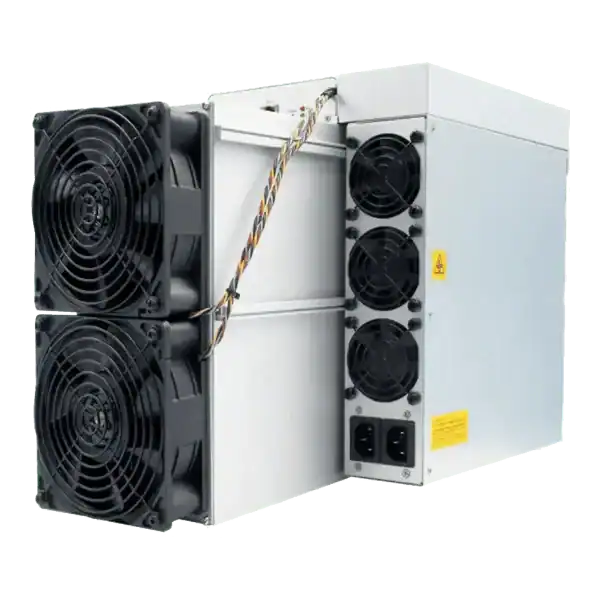
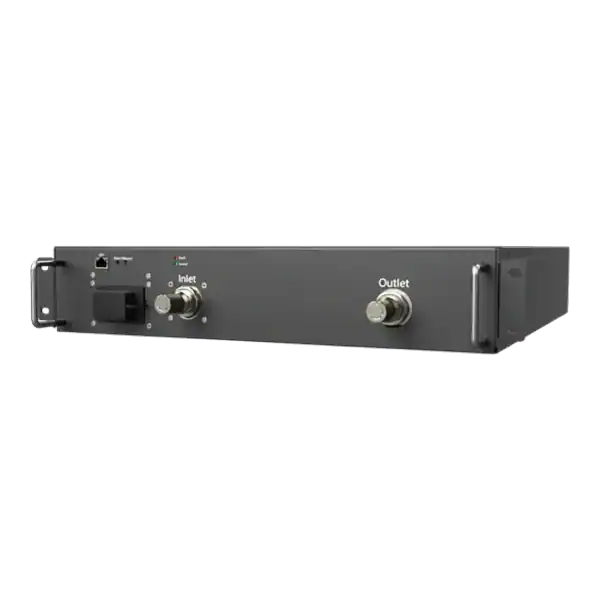

Terahash describes Kläger Group’s Hartha energy park with a 1.6 MWp solar array, a 350 kWh battery and a mining container able to absorb up to 500 kW. The container is intended to buy surplus left by industrial production, with storage and grid export also available.
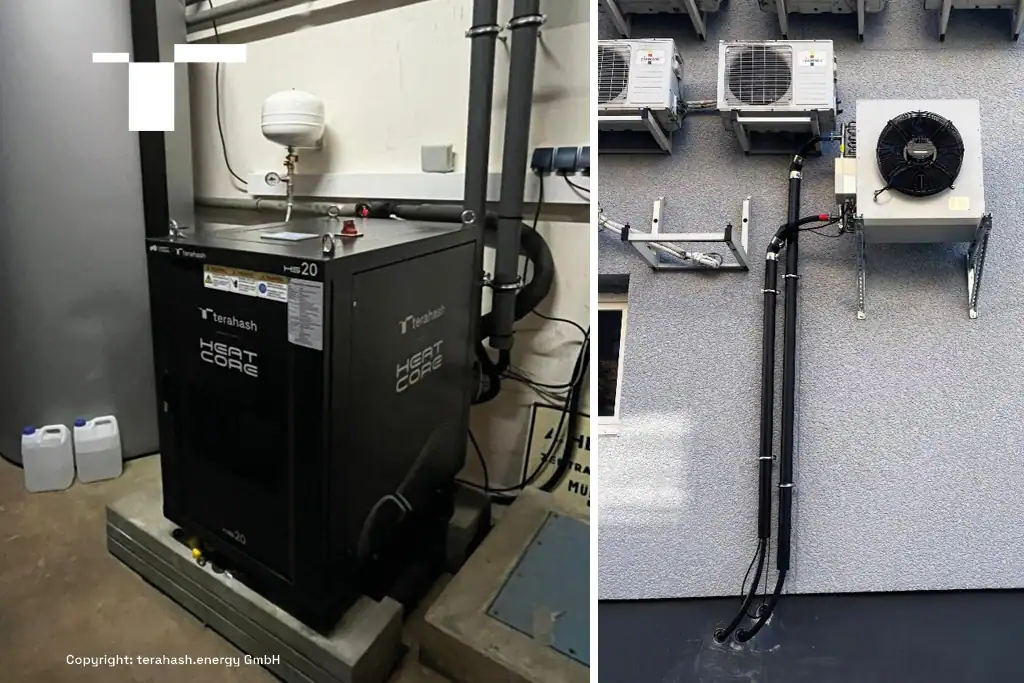
Terahash describes a commissioned system at Nebona’s spice factory: a Heatcore HS20 with two Whatsminer M63 units uses surplus rooftop solar power and supplies hot water to a buffer tank. The existing heating system remains available.

SunBit reports fitting a Bitcoin Boiler alongside the oil boiler in a 200 m² Kotka home. An outdoor unit rejects unwanted summer heat and allows additional use of solar surplus.

Join the ASIC Mining Discussion
Members can read and join the discussion
Log in to read comments from other miners. Create a free account if you would like to ask a question or share your experience.
Membership helps us protect the discussion from spam and keep answers useful.