

Sealminer A4 Ultra Hydro
Bitcoin & Bitcoin Cash ASIC Miner
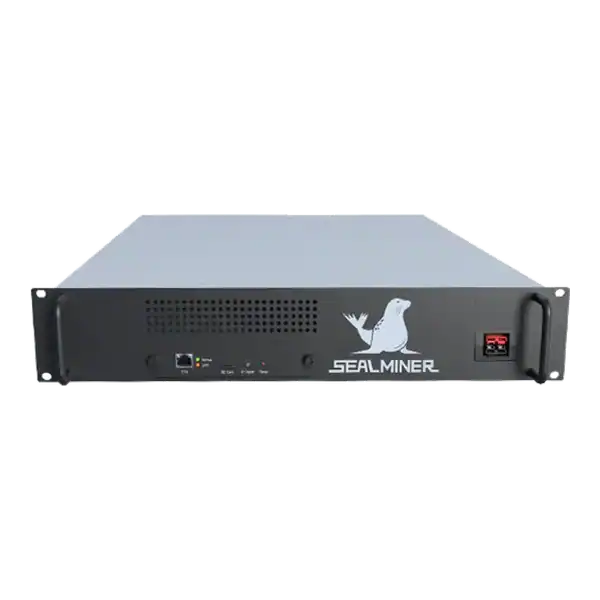

886TH
HASHRATE
9.45W/TH
EFFICIENCY
8373W
POWER
£857.66
EST. MONTHLY
NO PAYBACK
EST. ROI
Immersion cooling for ASIC miners uses dielectric fluid, pumps and heat exchangers. Learn the benefits, maintenance, costs and UK safety checks.

Immersion Cooling for ASIC Miners places compatible mining hardware in a purpose selected dielectric fluid. Heat leaves the chips through the fluid, then pumps and heat exchangers carry it to an outdoor cooler or another useful heat sink.
Removing miner fans can reduce dust and tonal noise, but immersion is not a bucket of oil and a pump. The tank, fluid, seals, cables, circulation, fire properties, handling, electrical isolation and heat rejection must work as one maintained system.
Estimated reading time: 7 minutes
Immersion cooling moves ASIC heat into a special liquid that does not normally conduct electricity. The warm liquid flows to a heat exchanger, which moves heat into air, water or another circuit. The miner fans are often removed, but pumps and an outdoor cooling system are still needed.
A 3 kW immersed miner still creates about 3 kW of heat. The fluid can keep the boards evenly cooled, but only while a pump carries that heat to a correctly sized dry cooler. If circulation stops, the control system must stop mining before fluid and components overheat.
| Dielectric Fluid: | A specialist electrically non conductive liquid selected for immersion. |
|---|---|
| Single Phase: | A system where the cooling fluid remains liquid during normal operation. |
| Heat Exchanger: | Equipment transferring heat between separate fluid or air circuits. |
| Flow Rate: | The quantity of fluid moved through the system over time. |
| Material Compatibility: | Evidence that fluid will not damage seals, cables, boards or tank parts. |
Boards transfer heat directly to the surrounding fluid. Natural movement and pumped circulation spread that heat through the tank. A plate heat exchanger or similar device then transfers it to a secondary loop or outdoor rejection system.
Immersion Cooling for ASIC Miners does not reduce the laws of energy. Miner electricity and pump energy become heat. The external cooler must reject that complete load in the warmest expected condition.
Most accessible mining systems use single phase fluid that remains liquid. A pump circulates it through a heat exchanger. The design is easier to understand, but flow, fluid level and contamination still need control.
Two phase systems use a fluid that boils at a designed temperature and condenses on a cooled surface. They require specialist sealed equipment, fluid control and environmental assessment. Do not treat the two designs as interchangeable.
Use a fluid supplier's current technical and safety data for the intended application. Check electrical properties, viscosity, operating temperature, flash point, ageing, moisture behaviour and disposal. A kitchen or automotive oil is not automatically suitable.
Confirm compatibility with board coatings, plastics, rubber seals, cables, connectors, labels, pumps and tank material. Test coupons or a representative unit where appropriate. A fluid can be electrically suitable yet still soften or swell another component.

Record the miner, serial number, firmware and a dry baseline before conversion. Follow a documented procedure for fan removal or simulation, cleaning and cable routing. Preserve any parts needed to return the unit to air cooling.
Immersion can affect warranty and resale. Do not hide that a machine has been immersed. Keep fluid type, exposure date, maintenance and cleaning records so a future repairer or buyer can assess the equipment honestly.
Add the maximum approved power of all miners and pumps. Select tank volume and flow that prevent hot areas around dense boards. Balance branches so one miner does not receive most of the circulation while another overheats.
The primary and secondary circuits may need different flow, pressure and fluid. Check pump curves, heat exchanger duty and dry cooler capacity rather than choosing by connector size. Leave access for isolation, draining and service.
Measure tank temperature, supply and return temperatures, flow and pump state. Retain board readings where firmware provides them. Alarms should identify a real limit and lead to a safe automatic response.
Test loss of pump, blocked flow, failed external fans and high ambient conditions under a controlled plan. The system should reduce load or stop miners before damage. A dashboard alarm without a tested action is not protection.
Removing high speed miner fans can sharply reduce tonal noise at the tank and prevent airborne dust from coating heat sinks. This can allow denser layouts and steadier board temperatures.
Pumps, dry coolers and facility fans still make noise. Dense tanks concentrate electrical load and heat, which can increase the consequence of one fault. Benefits must be measured across the whole site.
Inspect fluid level, colour, particles, water contamination, leaks, hoses, valves, strainers, pumps and heat exchangers. Use the supplier's sampling and replacement guidance. Keep tanks covered when the design requires it.
Plan how boards are lifted, drained and stored without spreading fluid or damaging connectors. Provide suitable trays, tools and personal protective equipment from the safety data. Record additions and disposal.
Dielectric does not mean harmless or non flammable. Use the current safety data and fire strategy for the chosen fluid. Keep ignition, ventilation, containment and emergency response within the assessed design.
Electrical supplies still need correct protection, earthing and isolation. Liquid handling should not obstruct emergency access. Use competent people and provide a clear method for making the system safe before anyone reaches into a tank.
Include tank, fluid, pumps, heat exchanger, dry cooler, pipework, control, installation, pump energy, testing and maintenance. Add lost production during conversion and service. Savings may include fan power, cleaning and better thermal stability.
Run one representative miner first. Compare accepted work, complete wall energy, temperature, noise and maintenance with its air cooled baseline. Scale Immersion Cooling for ASIC Miners only when the measured benefit covers the added complexity and risk.
Immersion Cooling for ASIC Miners should have a commissioning record covering fluid, flow, temperature, wall power and accepted work.
Maintenance for Immersion Cooling for ASIC Miners begins with contamination control and a safe method for lifting and draining boards.
A failure test proves whether Immersion Cooling for ASIC Miners stops safely after loss of circulation or outdoor heat rejection.
Compare Immersion Cooling for ASIC Miners with the earlier air cooled baseline using the same miner, pool and observation period.
Scale Immersion Cooling for ASIC Miners only after the measured benefit and maintenance burden are both understood.
Fluid formulations, availability and supplier support can change, so retain the exact product and safety data used.
Immersion may change manufacturer warranty and resale conditions for the miner.
The external heat rejection system remains necessary even when internal miner fans are removed.
| Design Item | Required Evidence |
|---|---|
| Fluid | Technical data, safety data and material compatibility |
| Tank | Capacity, containment and safe service access |
| Circulation | Pump curve, balanced flow and failure alarm |
| Heat Rejection | Heat exchanger and summer cooler duty |
| Operation | Baseline, shutdown test and maintenance record |
A table is a starting point, not a promise. Verify current official sources and apply each detail to the decision you are actually making.
No. Use a documented dielectric fluid with suitable electrical, thermal, fire and material compatibility evidence.
Miner fans are often removed, but pumps and an external dry cooler or other heat rejection system are still needed.
It may remove miner fan power or improve thermal stability, but pumps and external cooling add energy. Measure the complete system.
It may change warranty terms. Check the exact manufacturer and seller conditions before converting equipment.
Flow and temperature controls should reduce load or stop miners before the fluid and components exceed safe limits.
Immersion Cooling for ASIC Miners can reduce fan noise, dust and temperature variation, but it replaces simple airflow with a managed fluid system. Select fluid by evidence, size the entire heat path, protect electrical work and test loss of circulation. Scale only after one measured conversion proves the benefit.

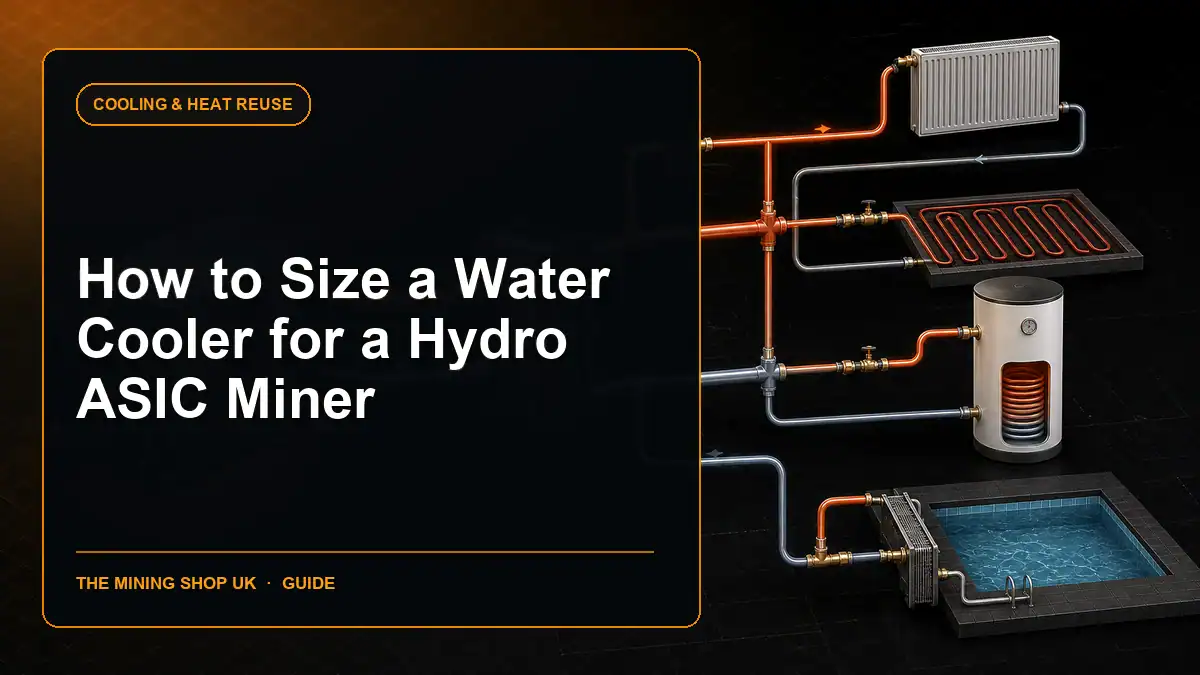
Calculate hydro ASIC water cooler sizing from measured kW, coolant flow, temperature rise, ambient design, pump head, redundancy and safe rejection margin.
Understand Immersion Cooled ASIC Miners for UK. Plan electrical load, airflow, heat, noise and cooling for a UK mining site before choosing equipment.
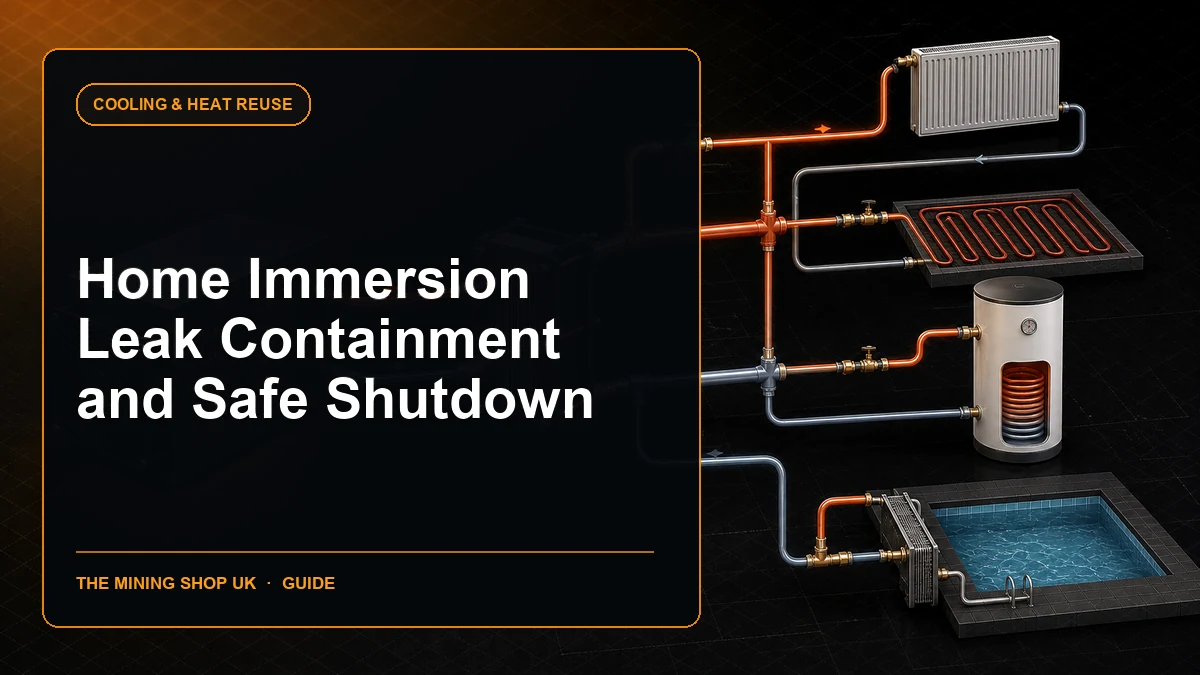
Plan home immersion leak containment through tank siting, secondary containment, sensors, isolation, fluid handling, heat rejection and emergency response.
Join the ASIC Mining Discussion
Members can read and join the discussion
Log in to read comments from other miners. Create a free account if you would like to ask a question or share your experience.
Membership helps us protect the discussion from spam and keep answers useful.