
Pre-order
Overall ranking

Equihash
·
ZEC
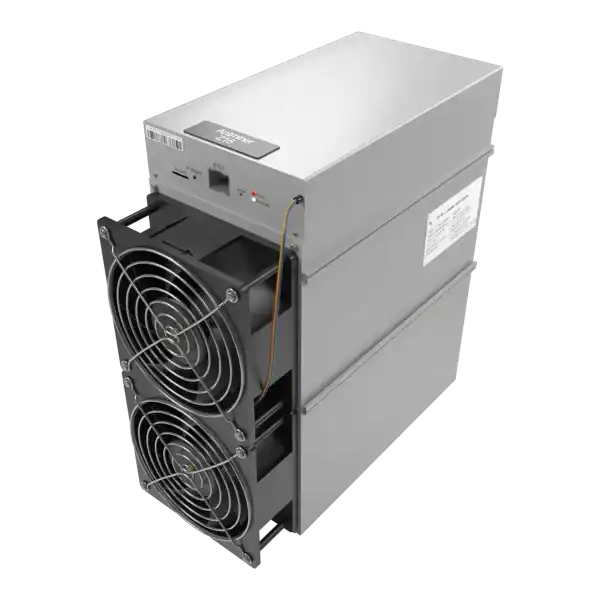
Overall rank#1of 100AvailableAll: #2 / 831

Pre-OrderFree Shipping
Hashrate
525KSOL
Efficiency
4.73W/KSOL
Power
2483W
Earns/kWh
42.2p
How to Start ASIC Mining made simple. Compare performance, power, cooling, noise and practical risks before choosing or operating mining hardware.
How to start ASIC mining is best answered in the opposite order from most first purchases. Choose the coin or algorithm, prove the operating site and electricity cost, then shortlist machines whose efficiency, condition and support fit that plan. Hashrate matters only after the miner can be powered, cooled, connected and operated safely at a realistic margin.
Start ASIC mining: An application specific integrated circuit is designed for a particular proof of work algorithm. A SHA-256 Bitcoin miner cannot be converted into a Scrypt Litecoin miner by changing a pool or installing ordinary firmware.
A miner wants to understand start ASIC mining. Check energy price basis, minimum term, uptime method, repairs, insurance, curtailment, access, removal and what happens if a bill or site obligation is missed.
An application specific integrated circuit is designed for a particular proof of work algorithm. A SHA-256 Bitcoin miner cannot be converted into a Scrypt Litecoin miner by changing a pool or installing ordinary firmware. Start with the network and algorithm whose economics and risk you understand.
List the coins and pools that use the algorithm. But do not assume every listed coin has enough liquidity or pool support. A pool can pay Bitcoin while directing hashrate to another market. So distinguish the algorithm being computed from the asset received as payment.
Decide whether the objective is regular pooled income, high variance solo mining, heat reuse, learning or a business scale deployment. That objective changes the acceptable machine size, noise, payout method and support requirement.

A current industrial ASIC commonly converts several kilowatts of electricity into almost the same amount of continuous heat and fan noise. A normal domestic socket, spare room or broadband router is not proof that the installation is suitable. Consider neighbours, ventilation, fire precautions, insurance and the duty cycle.
Hosting can provide industrial power, cooling, network and monitoring. But it adds contracts, deposits, siting fees and counterparty risk. Check energy price basis, minimum term, uptime method, repairs, insurance, curtailment, access, removal and what happens if a bill or site obligation is missed.
Compare the complete home and hosting costs over the same period. Home electricity can be convenient but expensive. A low hosting energy rate can still be poor value if fixed fees, downtime and exit costs are omitted.
Use the exact model manual and rating plate. Record input voltage range, maximum current, connector, phases, typical power, operating temperature and network interface. Similar model names can have different electrical or liquid cooling requirements.
Ask a competent electrician to assess the supply, protective device, cable, socket or fixed connection, earthing, isolation and loading. Do not select an extension lead by its marketing wattage. HSE guidance requires electrical equipment and its supply to be suitable and maintained to prevent danger.
| Check | Evidence | Stop condition |
|---|---|---|
| Electrical supply | Design and test by competent person | Wrong voltage or inadequate circuit |
| Heat removal | Air or liquid capacity at full load | Exhaust recirculation or no rejection route |
| Noise | Manufacturer data and location assessment | Unacceptable worker or neighbour exposure |
| Network | Wired route and secured management plan | Publicly exposed administration |
| Insurance and permission | Written policy, lease and site checks | Operation excluded or prohibited |
Efficiency is power divided by hashrate, commonly expressed as joules per terahash for SHA-256 machines. Lower is generally better when all figures use the same boundary. A 200 TH/s miner at 3,500 W is 17.5 J/TH at the miner, before facility losses.
A higher hashrate machine can earn more gross revenue while losing more money if its power draw and electricity price are too high. Calculate daily energy as watts divided by 1,000 multiplied by 24. Multiply by the delivered electricity price and add variable cooling or hosting charges.
Use current earnings only as a snapshot. Difficulty, coin price, fees and pool performance change. Stress the calculation with lower revenue, higher electricity and downtime before deciding that a model is affordable.
Establish whether the unit is new, refurbished or used and who performed any refurbishment. Request serial and model evidence, clear photographs, test conditions, board detection, hashrate, power, errors and pool acceptance where available. A screenshot without date, worker identity or test duration has limited value.
Read the seller’s warranty and the manufacturer’s current terms. Confirm start date, covered parts, labour, shipping, diagnostic process and exclusions for unofficial firmware, contamination, overvoltage or unsuitable cooling. Used hardware often has shorter cover.
Verify the supplier’s company details, physical contact routes and payment protections. Treat pressure to pay an unrelated wallet or bank account as a stop signal. Preserve invoice, serial, communications and delivery evidence.
Create the payout wallet through a controlled process and verify the address independently. The pool normally requires an endpoint, account or wallet identifier and worker name. Get the current format directly from the pool and configure deliberate failovers.
Change miner credentials, update only from an official source when required and keep management off the public internet. Record the initial firmware and settings before changes. Use multifactor authentication and a locked payout destination where the pool offers them.
After start, compare local hashrate with accepted pool hashrate. Rejected shares, stale work or an incorrect worker can leave a miner consuming full power without generating the expected credit.
The miner fits when the algorithm, site, electrical design, heat and noise plan, efficiency, delivered price and support are all documented. The stress case should remain affordable even if it is not profitable.
A small lower power device can be a better first operational lesson than the highest hashrate model.
Walk away when the site cannot safely supply or cool the unit, the seller cannot establish condition, the model depends on an unsupported voltage or the business case works only at today’s gross revenue.
Do not buy because a calculator displays a short break even period. The hardware price is only one part of future cash flow.
Write a one page purchase specification before contacting sellers. It should contain algorithm, minimum efficiency, electrical limit, cooling type, condition, warranty, delivered budget and acceptable lead time.
Start ASIC mining: An application specific integrated circuit is designed for a particular proof of work algorithm.
An application specific integrated circuit is designed for a particular proof of work algorithm.
A current industrial ASIC commonly converts several kilowatts of electricity into almost the same amount of continuous heat and fan noise.
Use the exact model manual and rating plate. Record input voltage range, maximum current, connector, phases, typical power, operating temperature and network interface.
How to start ASIC mining is a site and economics decision before it is a shopping decision. Select the algorithm, prove safe power and cooling, compare facility efficiency and stress the revenue case. Buy only when condition, supplier, warranty and payout route are verifiable. A machine that cannot be operated safely and affordably is not a bargain, however attractive its hashrate looks.
Use The Mining Shop UK’s ASIC profitability and comparison pages to shortlist models, then request help matching the machine to your electricity, cooling and hosting plan.
Choose the algorithm and operating route before choosing a model. An ASIC cannot normally move to an unrelated algorithm later. Verify voltage, current, circuit, plug, heat, noise, network and electricity price with competent help before ordering.
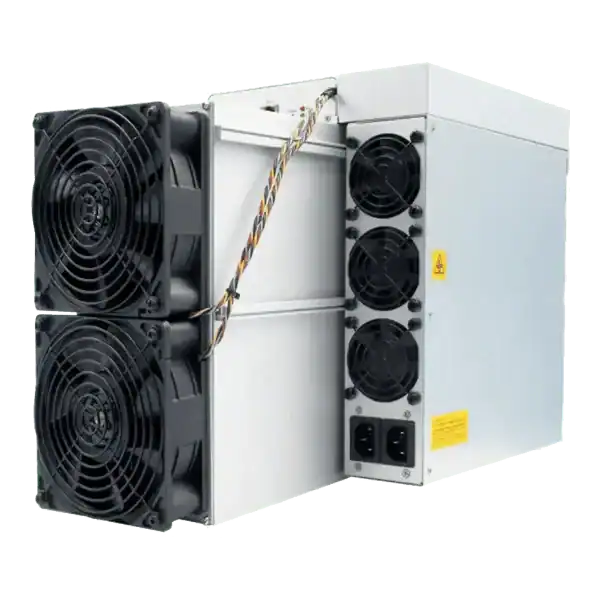
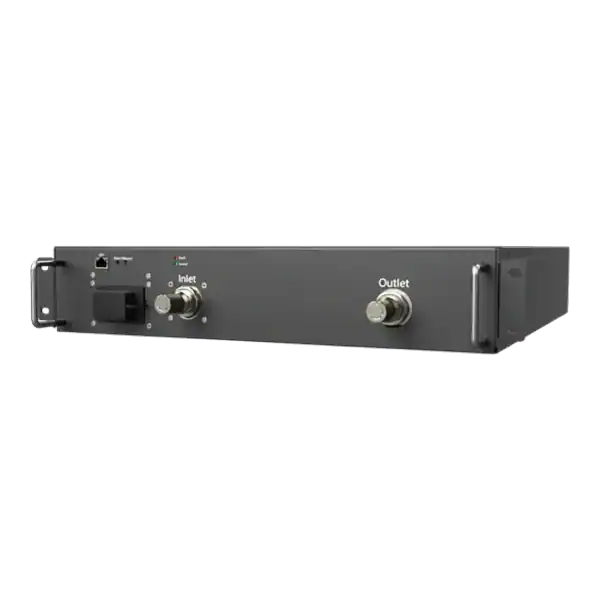
Bitcoin ASIC Compatibility made simple. Compare performance, power, cooling, noise and practical risks before choosing or operating mining hardware.
Practical guide to SEALMINER A4 review, covering efficiency and wall power. Compare costs, measured performance and site fit before buying hardware.
Unproven home ASIC launch review: assess an unproven home ASIC launch through manufacturer identity, samples, specifications, certification, firmware, delivery.

Join the ASIC Mining Discussion
Members can read and join the discussion
Log in to read comments from other miners. Create a free account if you would like to ask a question or share your experience.
Membership helps us protect the discussion from spam and keep answers useful.