

Sealminer A4 Ultra Hydro
Bitcoin & Bitcoin Cash ASIC Miner
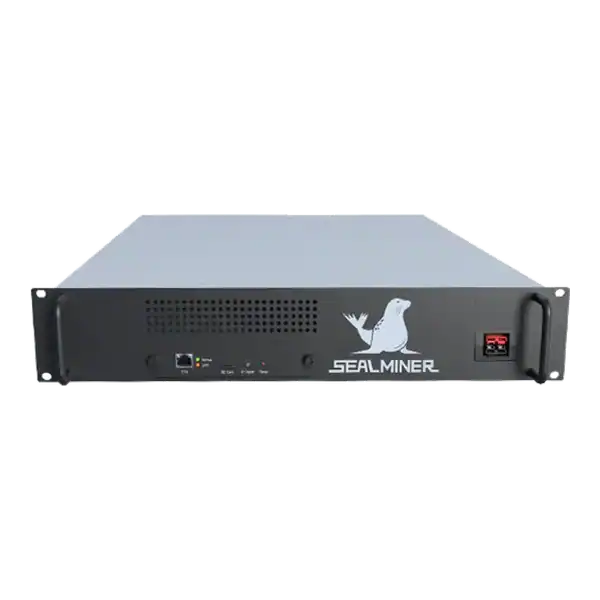

886TH
HASHRATE
9.45W/TH
EFFICIENCY
8373W
POWER
£856.08
EST. MONTHLY
NO PAYBACK
EST. ROI
Empty Bitcoin blocks made simple. See how the network works, which hardware matters and what to check before using electricity.
Empty Bitcoin blocks are valid blocks that contain the required coinbase transaction but no ordinary user transactions. They are not proof that a pool has stopped validating Bitcoin or deliberately withheld fees.
A pool can briefly distribute a coinbase-only template after learning of a new chain tip while its node validates the new block and constructs a fuller candidate. Policy, software design, mempool state and template delivery can also affect the result.
This guide explains the mechanism, the evidence to inspect and the operational changes that reduce avoidable empty-block work without confusing a rare observation with misconduct.
Empty Bitcoin blocks: Record the block hash, height, timestamp, previous block hash, transaction count and the apparent mining entity. Pool identification is usually inferred from coinbase tags or payout patterns and can be incomplete.
A miner is checking empty Bitcoin blocks. If its header hash meets the target and its contents satisfy the rules, its small transaction count does not make it invalid.
A Bitcoin block cannot literally contain no transactions. Its first transaction is the coinbase transaction, through which the miner claims the permitted subsidy and transaction fees and commits data required by consensus. In common mining discussion, an empty block means one with that coinbase transaction but no ordinary transactions selected from the mempool.
The block remains subject to the same proof-of-work, header, transaction and consensus checks as any other block. Full nodes validate it independently. If its header hash meets the target and its contents satisfy the rules, its small transaction count does not make it invalid.
The practical question is therefore not whether an empty block counts. It is why the template omitted available transactions and whether the omission arose from a short transition, a deliberate policy or a fault. Those explanations require different evidence and lead to different remedies.

When a new block is announced, miners should stop extending the previous tip and begin work on its successor. Continuing the old job increases the chance of stale work. The pool first needs enough trusted information about the new tip to distribute a candidate that points to it.
At the same time, the pool’s node must receive and validate the new block, update its view of the chain and mempool, and build a candidate containing eligible transactions. Transaction selection must respect weight, dependencies, fees and consensus rules. Bitcoin Core’s block assembler performs this selection rather than copying an arbitrary list into the block.
Some pool architectures can distribute a minimal candidate immediately and follow it with a transaction-filled template. This trades a short opportunity to collect fees for less idle time and less mining on the old tip. Modern relay, node performance and template systems can narrow this interval. But they do not make every network and software path instantaneous.
A pool can choose a restrictive transaction policy, experience a template or mempool fault, operate a poorly connected node, or receive a new tip while few suitable transactions are available. A transaction-rich public mempool elsewhere does not prove that the pool’s own validated node had the same usable set at the relevant instant.
Fee levels also matter to interpretation. A pool that deliberately omits transactions gives up the available fees. But this does not necessarily identify its reason. Templates can be generated by more than one component, and a fallback path may behave differently from the normal path.
Do not label a block empty merely because it is small. A block can contain a limited number of transactions and still reflect a normal selection outcome. Use a block explorer or, preferably, a validating node to count transactions and inspect the coinbase, then place the observation on an accurate timeline.
Record the block hash, height, timestamp, previous block hash, transaction count and the apparent mining entity. Pool identification is usually inferred from coinbase tags or payout patterns and can be incomplete. So state that limitation rather than presenting attribution as consensus data.
Measure the gap between the previous block and the coinbase-only block. A very short gap is consistent with a transition-template explanation, although timing alone cannot prove it. Compare nearby blocks from the same entity and look for a recurring pattern that persists beyond immediate tip changes.
An operator with access to the pool stack should retain node validation timestamps, block-template generation times, job publication times, mempool size, transaction-selection duration and the exact job identifier sent to workers. Without those records, an external observer can describe a pattern but cannot reliably determine the internal cause.
| Evidence | What it can show | What it cannot prove alone |
|---|---|---|
| Block contents | Coinbase-only or transaction-bearing block | Why the template was chosen |
| Gap from prior block | Whether discovery followed the tip quickly | The pool’s internal validation state |
| Coinbase tag | Possible pool attribution | Legal ownership or complete infrastructure |
| Pool logs | Template and job timing | Network conditions outside logged systems |
| Repeated pattern | Whether the event is isolated | Intent without corroborating evidence |
Run well-provisioned, current Bitcoin nodes with diverse and reliable peer connectivity. Monitor block receipt, validation and template-construction latency separately. A single combined latency figure hides whether the bottleneck is network propagation, storage, CPU, mempool processing or the pool’s job-distribution layer.
Keep the pool’s template service close to its validating nodes and test the failover path. A backup that silently falls back to coinbase-only work for an extended period can create a recurring pattern even when the main service behaves correctly. Alert on the duration between first new-tip work and the first full template.
Template negotiation and newer mining protocols may give miners more influence over transaction selection. But deployment details matter. They do not remove the need for fast validation, sound policy and accurate monitoring. Any change should be tested for stale-share effects and compatibility before fleet-wide use.
An individual ASIC normally hashes the job supplied by its pool or proxy. It does not independently see the full Bitcoin mempool or decide which ordinary transactions enter the block. The owner should therefore judge pools on transparent operations, reliable job delivery, payout terms, security and measurable rejection performance.
A rare empty block should not decide a pool selection on its own. Review a meaningful period, distinguish a rapidly replaced transition job from a persistent policy, and check whether the pool explains its transaction-selection approach. Fee income becomes particularly relevant as the block subsidy declines. So avoidable omission deserves attention without sensational claims.
If transaction selection is a governance priority, investigate protocols and pool arrangements that expose more choice. At the same time, confirming the actual implementation. Do not assume that a marketing label proves the miner constructs the final template or that every connected device supports the same features.
Empty Bitcoin blocks: Record the block hash, height, timestamp, previous block hash, transaction count and the apparent mining entity.
A Bitcoin block cannot literally contain no transactions. Its first transaction is the coinbase transaction, through which the miner claims the permitted subsidy and transaction fees and commits data required by consensus.
When a new block is announced, miners should stop extending the previous tip and begin work on its successor.
A pool can choose a restrictive transaction policy, experience a template or mempool fault, operate a poorly connected node, or receive a new tip while few suitable transactions are available.
Empty Bitcoin blocks are a narrow template and timing issue, not evidence that proof of work has failed. Start with the exact block contents, establish its relationship to the previous tip and separate observed facts from pool attribution. Operators can reduce avoidable occurrences through fast validation, robust template services, tested failover and clear latency monitoring.
ASIC owners should judge the repeated operational record and pool terms rather than drawing a conclusion from one unusual block.
Read the pool-operation and mining-difficulty guides to place template behaviour in context, then compare pool terms and measured rejection performance before changing a production fleet.
An empty Bitcoin block normally contains a coinbase transaction. So it is more accurately described as a coinbase-only block. A pool may send a temporary template quickly after a new tip, then replace it when validation and transaction selection are complete.
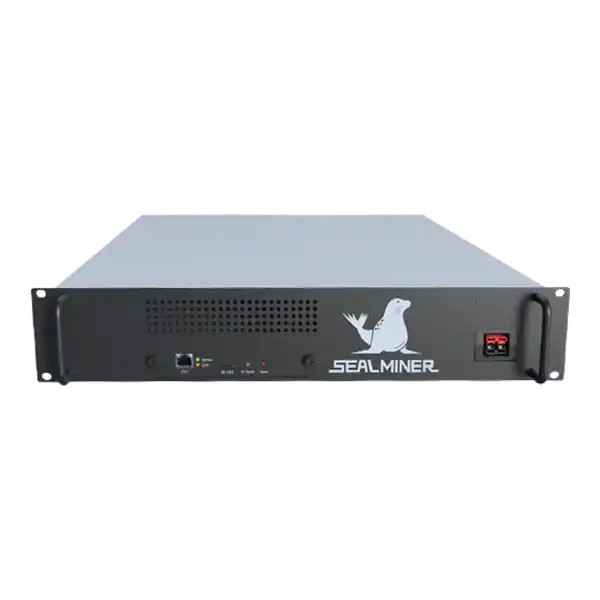

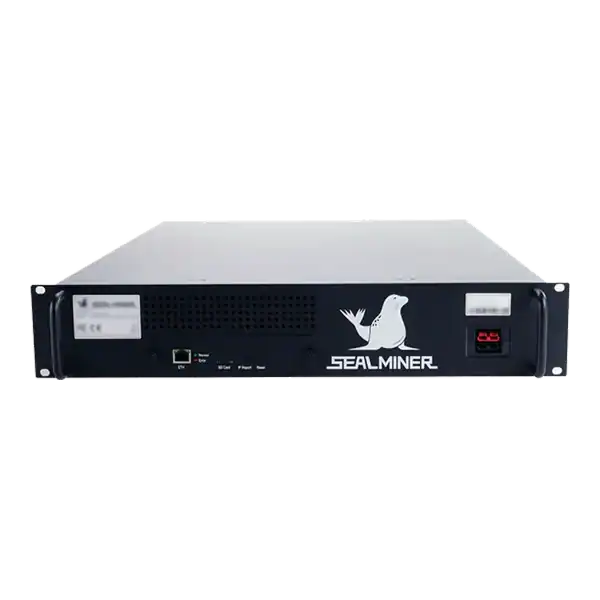
Mining pool ownership due diligence: check mining pool ownership, legal entity, beneficial control, infrastructure, payout custody, related services, sanctions.
Plan a solo mining variance reserve around fixed costs, expected block intervals, uptime, liquidity, accounting and a documented stop or pool-switch rule.
Verify a mining pool Bitcoin chain policy made simple. See how the network works, which hardware matters and what to check before using electricity.
Join the ASIC Mining Discussion
Members can read and join the discussion
Log in to read comments from other miners. Create a free account if you would like to ask a question or share your experience.
Membership helps us protect the discussion from spam and keep answers useful.