

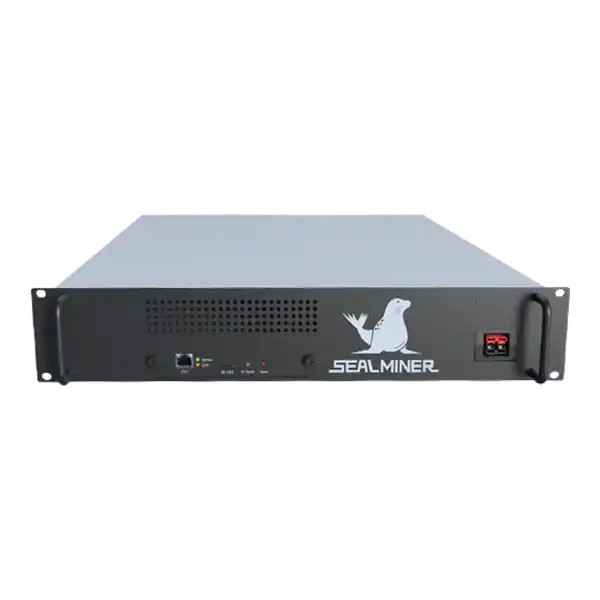
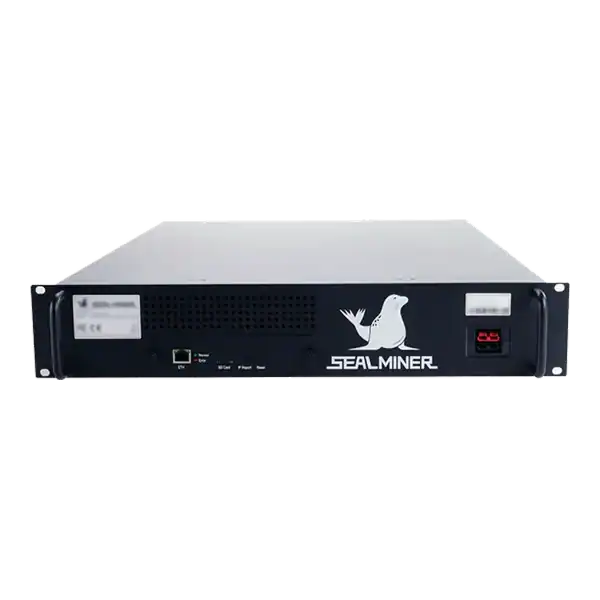
Sealminer A4 Ultra Hydro
Bitcoin & Bitcoin Cash ASIC Miner
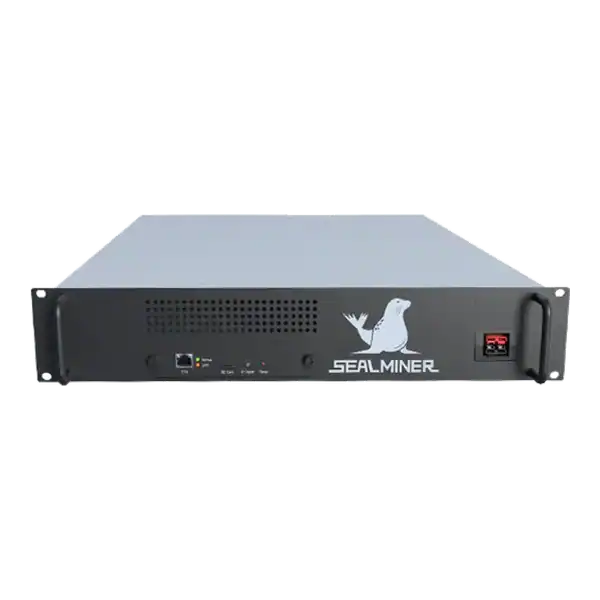

886TH
HASHRATE
9.45W/TH
EFFICIENCY
8373W
POWER
£857.66
EST. MONTHLY
NO PAYBACK
EST. ROI
Understand When to Switch Mining Pools. Plan secure setup, pool configuration, monitoring and reliable operation before choosing equipment.
Understand When to Switch Mining Pools. Plan secure setup, pool configuration, monitoring and reliable operation before choosing equipment.
When to Switch Mining Pools: An ASIC Operator's Guide focuses on a safe, supportable setup. The aim is stable hashrate, secure access and clear monitoring, not a rushed configuration that is difficult to maintain.
When to Switch Mining Pools: A mining pool is a group of miners who combine their computing power to increase their chances of solving blocks and earning cryptocurrency.
A miner wants to understand When to Switch Mining Pools. If the pool doesn’t provide detailed stats about payouts, shares, or hashrate, it can be challenging to verify you’re getting your fair share.
Mining cryptocurrency requires significant resources, and joining a mining pool often helps miners optimise their efforts. However, sticking with one pool forever may not be the best strategy. Mining Pool Switching is something every miner should consider periodically.
In this post, we’ll discuss when and why to switch mining pools, signs that it’s time for a change, and how to make the transition smoothly.

A mining pool is a group of miners who combine their computing power to increase their chances of solving blocks and earning cryptocurrency. Instead of working individually, miners share resources and rewards. The goal is to ensure consistent payouts. This is especially important as mining difficulty increases.
Mining pools operate under various reward structures, such as Pay Per Share (PPS), Full Pay Per Share (FPPS), or Pay Per Last N Shares (PPLNS). If you feel your current pool’s payout scheme isn’t optimal for your mining equipment or strategy, it might be time for a change.
Every mining pool charges a fee. These fees typically range from 0% to 4%. If you find a pool offering lower fees with similar or better reliability, switching could increase your overall profitability.
Downtime in a mining pool can mean lost income. Frequent server outages, sluggish payouts, or connectivity issues are major signs it’s time to move to a more reliable pool.
If your current pool charges higher fees than competitors without offering better performance, you might be losing money unnecessarily.
Sudden drops in payouts or inconsistent earnings might indicate issues with the pool’s reward distribution or performance.
A pool’s total hashrate affects how often it can find and solve blocks. If your pool’s hashrate is too low, it might be struggling to compete, leading to fewer rewards.
If the pool doesn’t provide detailed stats about payouts, shares, or hashrate, it can be challenging to verify you’re getting your fair share.
Mining pools with servers far from your location can cause latency issues, reducing mining efficiency. Look for a pool with nearby servers.
Use tools like Mining Pool Stats to compare fees, hashrates, and payout schemes.
Don’t move your entire operation immediately. Test a new pool with a small portion of your mining power to assess its performance.
Switching pools often requires updating pool addresses in your mining software. Ensure that the software is compatible with the new pool.
Track your payouts, efficiency, and uptime in the new pool for at least a week to determine if the switch was worth it.
When to Switch Mining Pools: A mining pool is a group of miners who combine their computing power to increase their chances of solving blocks and earning cryptocurrency.
A mining pool is a group of miners who combine their computing power to increase their chances of solving blocks and earning cryptocurrency.
Check the exact equipment, current documentation, measured results and the main cost or safety risk before making a decision.
Mining Pool Selection and Performance readers should compare the article's facts with their own equipment, location and current operating conditions.
Document the miner, firmware source, pool endpoints, wallet destination and network settings before deployment. Change default credentials, restrict management access and keep the miner away from untrusted networks.
Use these pages to move from research to a product or operating decision:
For To Switch Mining, check current official guidance and retain the evidence used for the decision. Use current official guidance alongside this article because network rules, tax guidance and safety duties can change.

Mining pool ownership due diligence: check mining pool ownership, legal entity, beneficial control, infrastructure, payout custody, related services, sanctions.
Plan a solo mining variance reserve around fixed costs, expected block intervals, uptime, liquidity, accounting and a documented stop or pool-switch rule.
Verify a mining pool Bitcoin chain policy made simple. See how the network works, which hardware matters and what to check before using electricity.
Join the ASIC Mining Discussion
Members can read and join the discussion
Log in to read comments from other miners. Create a free account if you would like to ask a question or share your experience.
Membership helps us protect the discussion from spam and keep answers useful.