

Antminer Z15 Pro
Zcash & Horizen ASIC Miner
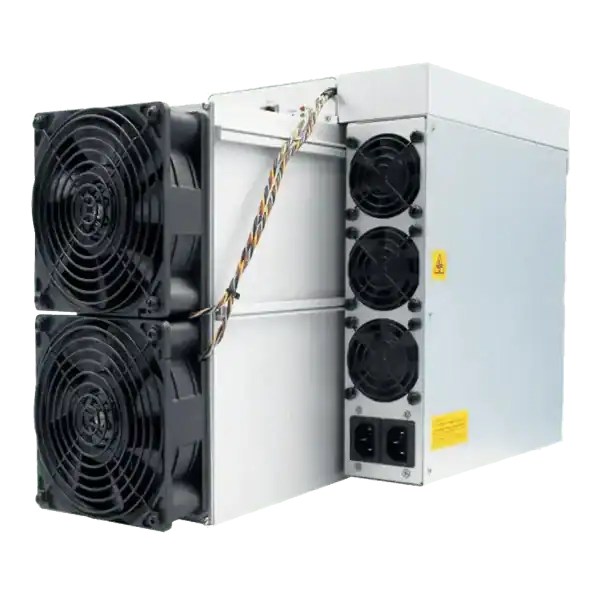

840KSOL
HASHRATE
3.3W/KSOL
EFFICIENCY
2772W
POWER
£1390.70
EST. MONTHLY
9
Months
EST. ROI
Is Bitcoin mining legal in the UK? Learn the practical rules for electricity, planning, noise, safety, tax, contracts and commercial mining sites.
Is Bitcoin mining legal in the UK? In most cases, yes. There is no blanket law banning a person or business from running a miner. A site must still follow the rules that apply to its electricity supply, planning, safety, noise, tax, contracts and environmental impact.
Bitcoin mining is generally legal in the UK. A home miner or business still has to use a lawful electricity supply and follow the rules that fit the site. These may cover electrical work, planning, noise, tax, leases and business records.
A person runs one miner in a garage using a suitable circuit and pays for the electricity. Mining itself is not banned. A warehouse with many machines needs a wider check because power, noise, cooling, planning and commercial contracts can affect whether the site is lawful.
There is no UK law that generally prohibits proof of work Bitcoin mining or requires every miner to get a crypto mining licence. People and companies can own ASIC hardware, connect to a pool and receive rewards. The regulatory result can change if the business also exchanges crypto for customers, safeguards customer keys, arranges investments or performs another regulated service.

The FCA’s current anti money laundering registration regime focuses on defined cryptoasset exchange providers and custodian wallet providers. Mining for your own account, selling hardware and providing ordinary data centre hosting are not automatically those activities. A platform that exchanges assets, controls customer wallets or transacts on behalf of users needs a separate regulatory assessment, including forthcoming changes to the UK regime.
HMRC treats commercial mining rewards as potentially taxable receipts. A dedicated, organised operation run for expected net profit would probably amount to a trade under HMRC’s published view. Rewards need GBP values and retained crypto can create a later tax result when sold, swapped or spent.
An ASIC miner is a high continuous electrical load. Circuits, protective devices, cable size, connectors, earthing, ventilation and isolation must be suitable for the actual current and operating environment. Do not rely on a domestic extension lead or a plug adaptor for multi kilowatt continuous use. Commercial operators have duties under health and safety and electricity at work law.
A small miner at home and an industrial hosting site raise different issues. Material changes of use, external plant, containers, flues, substations, traffic and noise may require planning review. Leases, mortgages and insurance can restrict commercial use. Business rates and local licensing questions depend on the premises and activity.
ASIC fans can create persistent tonal noise. Workplace exposure is governed by the Control of Noise at Work Regulations. At the same time, local authorities can investigate statutory nuisance affecting neighbours. Use acoustic design, location, maintenance and operating controls before relying on hearing protection.
Heat discharge, evaporative cooling, water systems, immersion fluids, refrigerants and electronic waste can create environmental and safety duties. Use lawful waste carriers and WEEE routes where applicable. Water systems and spa or hot water heat reuse need Legionella controls.
Using a pool or marketplace outside the UK is generally possible. But UK tax, sanctions and record keeping still apply. Screen contractual counterparties, keep terms and payout evidence and check export controls before sending hardware, controlled software or technology abroad.
Bitcoin mining legal is most useful when it leads to a documented decision rather than a headline comparison.
The answer to “is Bitcoin mining legal in the UK?” depends on the mining activity and the way the site is run.
There is no UK law that generally prohibits proof of work Bitcoin mining or requires every miner to get a crypto mining licence. People and companies can own ASIC hardware, connect to a pool and receive rewards.
The FCA's current anti money laundering registration regime focuses on defined cryptoasset exchange providers and custodian wallet providers. Mining for your own account, selling hardware and providing ordinary data centre hosting are not automatically those activities.
A small miner at home and an industrial hosting site raise different issues. Material changes of use, external plant, containers, flues, substations, traffic and noise may require planning review.
Using a pool or marketplace outside the UK is generally possible. But UK tax, sanctions and record keeping still apply.
Bitcoin mining legal is most useful when it leads to a documented decision rather than a headline comparison.
Owning and operating an ASIC miner is generally legal in the UK. Mining for your own account is not normally the same as operating a cryptoasset exchange or custodian wallet service.
Rules and official guidance can change. Check the current source before making a decision.
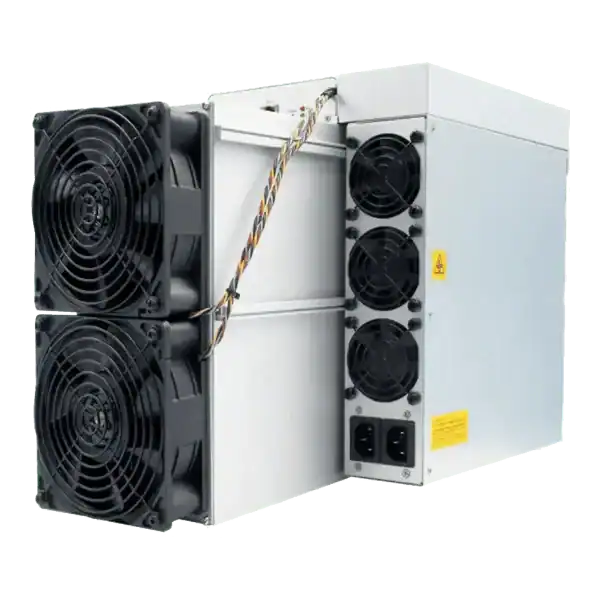
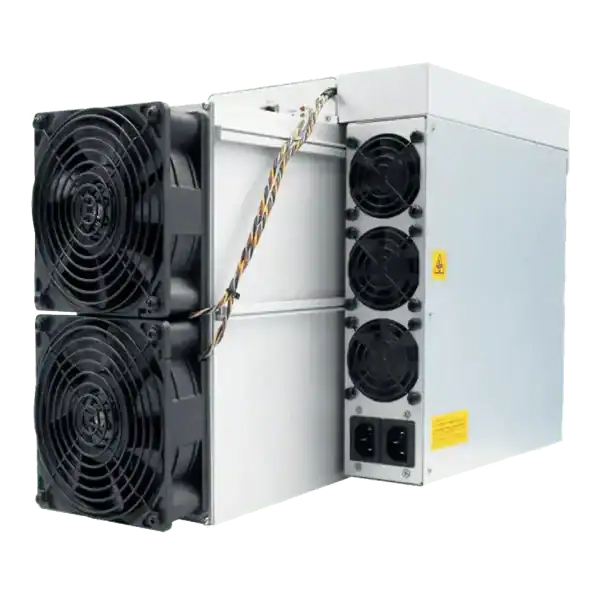
ASIC insurance coverage exclusions: review ASIC insurance exclusions for wear, electrical breakdown, overheating, corrosion, firmware, cyber events, unattended.
ASIC hardware insurance UK: prepare ASIC hardware insurance evidence for UK-owned miners: asset schedule, valuation, site, electrical controls, custody.
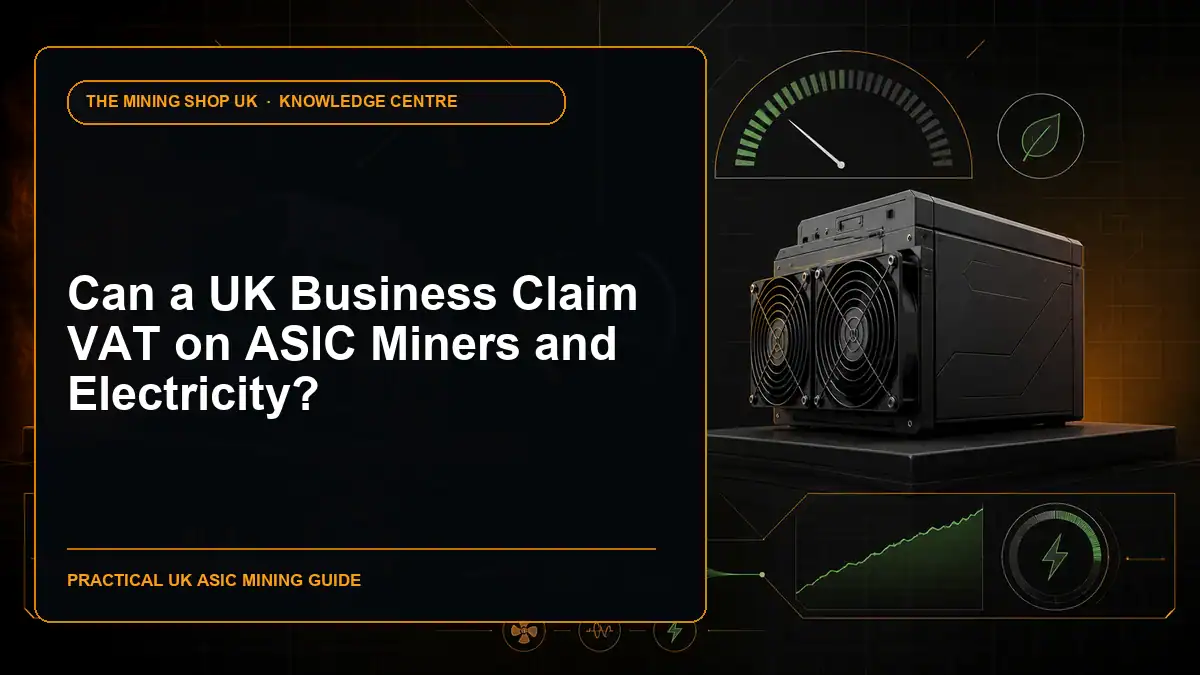
Claim VAT on ASIC Miners made simple. Check the UK rules, records, figures and evidence before filing a return or taking professional advice.
Join the ASIC Mining Discussion
Members can read and join the discussion
Log in to read comments from other miners. Create a free account if you would like to ask a question or share your experience.
Membership helps us protect the discussion from spam and keep answers useful.