

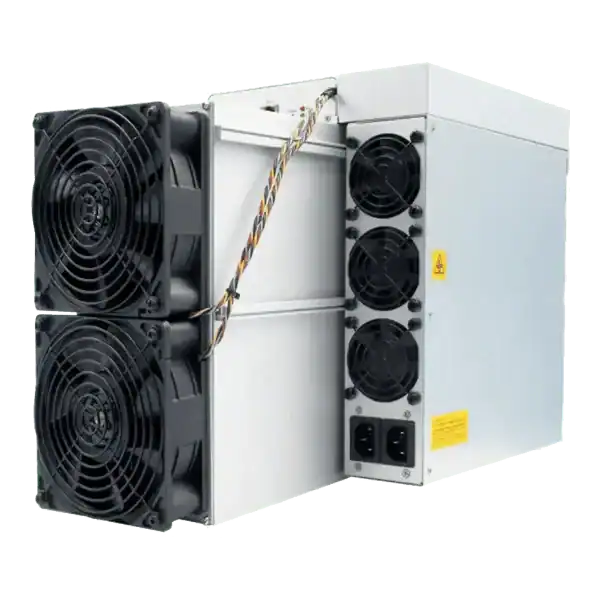
Antminer Z15 Pro
Zcash & Horizen ASIC Miner

860KSOL
HASHRATE
3.3W/KSOL
EFFICIENCY
2838W
POWER
£1417.20
EST. MONTHLY
9
Months
EST. ROI
Common ASIC Miner Faults made simple. Compare performance, power, cooling, noise and practical risks before choosing or operating mining hardware.
Common ASIC miner faults: and Safe First Checks focuses on the practical decision behind common ASIC miner faults, including hardware, power, safety, cost.
Common ASIC Miner Faults and Safe First Checks focuses on the practical decision behind common ASIC miner faults, including hardware, power, safety, cost and the checks a UK operator should complete.
Common ASIC miner faults: One of the most frequent ASIC miner issues is overheating. These machines generate a lot of heat, which can lead to performance drops or even permanent damage if not managed properly.
A mining technician is checking common ASIC miner faults. Reset defaults: If troubleshooting fails, reset your miner to factory settings. Test your network: Ensure your internet connection is stable and fast enough.
ASIC miners are crucial tools for cryptocurrency mining, but like any technology, they can encounter problems. Understanding ASIC miner issues and knowing how to resolve them can save time, money, and frustration. In this guide, we’ll explore common ASIC miner issues, their solutions, and how to keep your mining setup running smoothly.

ASIC stands for Application-Specific Integrated Circuit. These are specialised machines designed solely for mining cryptocurrencies like Bitcoin. While they offer high efficiency, they’re also prone to specific ASIC miner issues that miners should be prepared to handle.
One of the most frequent ASIC miner issues is overheating. These machines generate a lot of heat, which can lead to performance drops or even permanent damage if not managed properly.

Another common ASIC miner issue is connectivity problems, which can halt mining operations entirely.
Like any electronic device, ASIC miners can experience hardware failures, one of the more costly ASIC miner issues.
Incorrect settings can limit your miner’s performance, creating another type of ASIC miner issue.
Proper maintenance is the best way to avoid ASIC miner issues. Here are some tips:
Common ASIC miner faults: One of the most frequent ASIC miner issues is overheating. These machines generate a lot of heat, which can lead to performance drops or even permanent damage if not managed properly.
One of the most frequent ASIC miner issues is overheating. These machines generate a lot of heat, which can lead to performance drops or even permanent damage if not managed properly.
Like any electronic device, ASIC miners can experience hardware failures, one of the more costly ASIC miner issues .
Read the primary guidance used to check this topic . External references are included for verification and may be updated by their publisher.
Mining networks, pool support, firmware, exchange access and hardware availability can change. Verify the current network documentation, test with a small controlled configuration and do not rely on a historical profitability figure when purchasing equipment.
Start with the real operating requirement behind common ASIC miner, not a headline hashrate or revenue figure. Measure wall power, heat, noise, rejected shares and uptime under the conditions in which the miner will run.
Read the primary guidance used to check this topic. External references are included for verification and may be updated by their publisher.
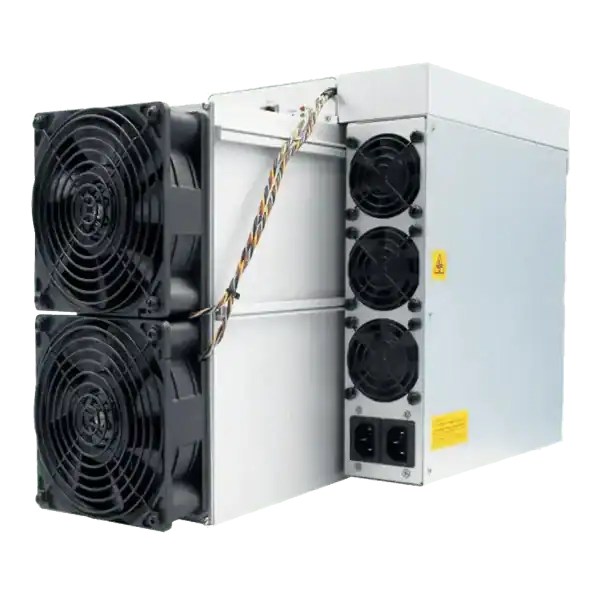
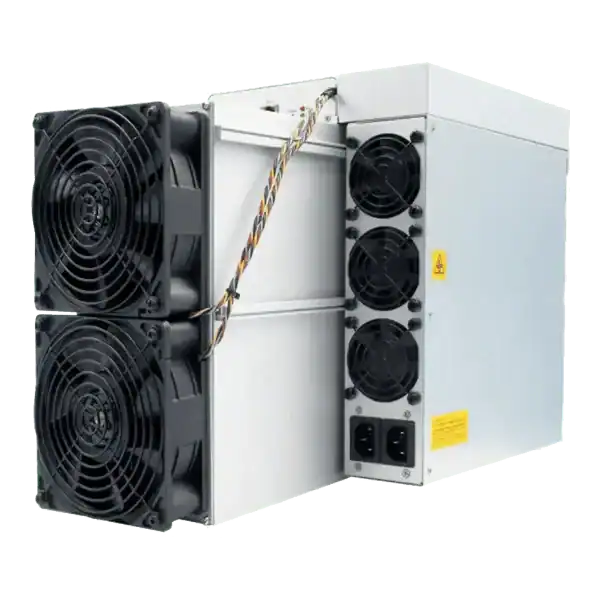
Use daily ASIC hashrate history with power, temperature, pool and change records to distinguish faults, curtailment, tuning and normal share variation.
Prepare an ASIC repair evidence pack with serial, condition, firmware, board status, logs, wall power, accepted work, photographs and safe fault history.
ASIC repair partner: Confirm capability for the exact miner, power supply, control board and hashboard rather than accepting a general claim to repair ASICs.
Join the ASIC Mining Discussion
Members can read and join the discussion
Log in to read comments from other miners. Create a free account if you would like to ask a question or share your experience.
Membership helps us protect the discussion from spam and keep answers useful.