Aeon Mining Guide: K12 Hardware and Risks explains where Aeon fits in proof of work, what hardware is relevant and which facts must be checked before committing power or equipment.
TL;DR
Aeon Mining Guide: K12 Hardware and Risks explains where Aeon fits in proof of work, what hardware is relevant and which facts must be checked before committing power or equipment.
- Confirm the current Aeon consensus rules and active mining algorithm before choosing hardware.
- K12 compatibility does not by itself prove that a network has useful liquidity, pool support or sustainable demand.
- Use current pool, wallet, exchange and network documentation because smaller projects can change or become inactive.
- Treat revenue estimates as a comparison only and include electricity, fees, downtime and hardware resale risk.

What's So Special About Aeon Anyway?
Originally, the curious thing about Aeon was that it positioned itself as the “mobile-friendly” version of Monero. It’s designed to be a mobile-friendly version of Monero which can be run efficiently on mobile devices, laptops and PCs. Treat it as Monero’s younger sibling who went to a different college and came back with some very different ideas about life.
The vision about Aeon was simple yet ambitious: create a privacy-focused cryptocurrency that doesn’t require industrial-grade hardware to mine or use. While Bitcoin was becoming the playground of massive mining farms, and even Monero was getting increasingly demanding, Aeon wanted to keep things accessible to regular people with regular computers.
The Great Algorithm assessment
The CryptoNight-Lite algorithm was invented by the Aeon team themselves. CryptoNight Lite was invented by the Aeon cryptocurrency team and was unique to its source code. Talk about doing your own thing. While other projects were busy copying existing algorithms, Aeon’s developers were in their labs cooking up something entirely new.
But the really wild part about Aeon’s technical process was still to come. For years, the project hummed along with CryptoNight-Lite, providing decent mining opportunities for GPU and CPU miners alike. Mining software like XMR-Stak, XMRig, and various other CryptoNight miners supported Aeon, and everything seemed to be going according to plan.
Then came 2019, and everything changed.
The K12 development: When Aeon Broke All the Rules
October 25, 2019, is a date that will live in cryptocurrency infamy, at least among people who pay attention to mining algorithms. On this date, Aeon successfully forked to a new PoW mining algorithm called K12, specifically KangarooTwelve. And just like that, everything we thought we knew about Aeon got turned upside down.
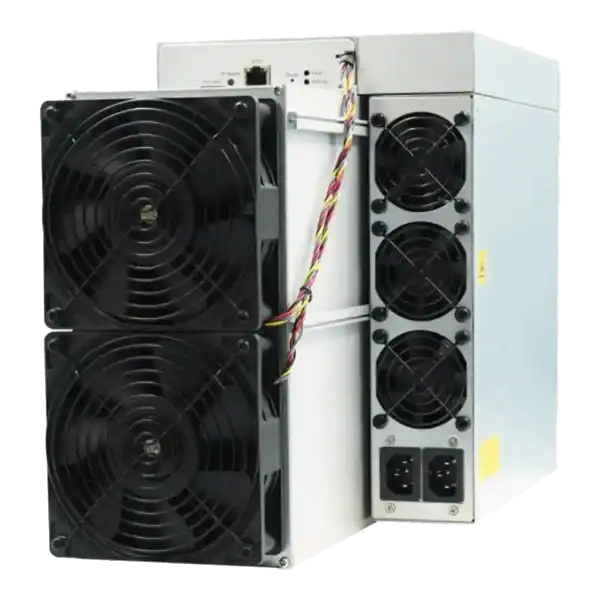
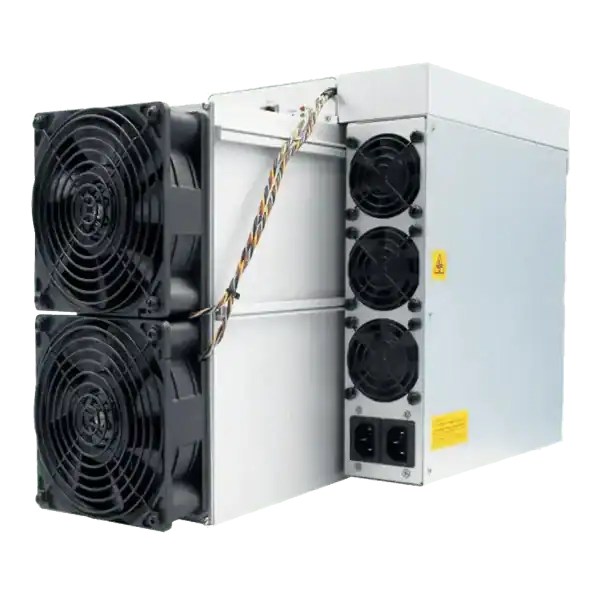
The decision about Aeon’s move to K12 wasn’t made lightly. This algorithm could be easily implemented in an ASIC chip with little design requirements. The development team essentially said, “You know what? Instead of constantly fighting ASIC manufacturers, why don’t we just make an algorithm that’s so ASIC-friendly that anyone can build hardware for it?”
Mining Aeon: From Garage Miners to FPGA Farms
The evolution of mining about Aeon reads like a cryptocurrency history book compressed into a single project. In the early days, AEON could be mined with CPU, GPU, ASICs and cloud mining services using the CryptoNight-Lite algorithm. GPU miners particularly loved it because AMD’s GPUs are widely considered to be better suited for CryptoNight-based cryptocurrencies.
Popular mining software during the CryptoNight-Lite era included classics like CPUMiner-Multi, JCE Cryptonote CPU Miner and XMRig for CPU mining, while GPU miners could choose from various AMD and NVIDIA-specific solutions. For mining with the CPU, we have the option of using xmr-stak or xmrig.
The transition wasn’t without controversy. The browser miner uses the devices CPU so the browser miner does not support mining this coin’s new algorithm. Suddenly, all those people who had been happily mining Aeon on their laptops and gaming rigs found themselves out in the cold.
FPGA Mining: The New Frontier
FPGA (Field-Programmable Gate Array) mining represents a middle ground between the accessibility of GPU mining and the efficiency of ASIC mining. If you are interested in mining AEON with FPGA miners, you might want to check out Hash Altcoin’s Blackminer F1 miners.
The interesting thing about Aeon’s embrace of FPGA mining is that it democratizes hardware development in a way that traditional ASIC-resistant algorithms never could. With K12 being so straightforward to implement, we’re likely to see more competition among hardware manufacturers, which should theoretically lead to better prices and more innovation.
However, there’s still hope for CPU miners. There is speculation that the K12 algorithm may support CPU mining in the future, and there are already CPU miners being developed. This is a multi-threaded CPU miner, fork of hyc’ cpuminer-multi specifically designed for KangarooTwelve mining.
Technical design
The switch to KangarooTwelve wasn’t just about changing mining hardware, it was about fundamentally reimagining what a proof-of-work algorithm should be. K12 is more secure than sha256 used in Bitcoin/Bitcoin Cash pow. Designers of SHA3 had more than 10 years to build off the sha256 pow, creating a lighter, more efficient, and more secure algorithm.
The security implications are significant too. SHA-3 is the fallback when today’s security standards of SHA-256 fails. By adopting K12, Aeon is essentially future-proofing itself against potential cryptographic vulnerabilities that might affect older algorithms.
Privacy Features: More Than Just Mining Innovation
While the mining algorithm gets most of the attention, the privacy features about Aeon are equally impressive. AEON uses ring signatures to make transactions untraceable and uses a cryptographic system to transfer funds without the identifying information of each user becoming visible on the blockchain.
The privacy implementation about Aeon includes some interesting flexibility that sets it apart from other privacy coins. Payments are anonymous by default, but there’s also an option for traceable transfers, which are a faster, lower-fee option for non-sensitive payments. This optional transparency is a practical feature that acknowledges that not every transaction needs maximum privacy protection.
Project background
One of the most refreshing things about Aeon is its grassroots community approach. It has no developer tax. 100% of funding is via voluntary community donations, which have created a development fund of almost 1 million USD (as of May 2018). In an era of VC-funded crypto projects and founder premines, this community-driven funding model feels almost quaint.
The development story about Aeon reads like a classic open-source project narrative. An anonymous developer on the Bitcoin Forum, named Aeon, launched the cryptocurrency in 2014. A little bit later the same year, the original developers discontinued work on the project and it was considered abandoned. However, in 2015, after a community approval, all the assets were handed to a new developer (Smooth).
The community aspect about Aeon continues to be one of its strongest features. AEON is an open source project, and therefore its life comes from the AEON community; the regular people who decide to follow and help build the project. This isn’t just marketing speak, it’s the actual reality of how the project operates.
Market Position and Trading Reality
Let’s talk numbers, because the market reality about Aeon is… well, it’s complicated. According to CoinMarketCap AEON is currently ranked around the 500th place with a market capitalization of around 4 Million USD and a low trading volume of less than 10K daily. Those aren’t exactly moonshot numbers, but they tell an interesting story.
The trading volume about Aeon reflects its position as more of a technology project than a speculative trading vehicle. Exchange rate: 0.00000130 (TradeOgre) and limited volume suggest this isn’t a coin that day traders are flipping for quick profits. Instead, it attracts people who are genuinely interested in the technology and philosophy behind the project.
This low-profile market position is refreshing in a space where marketing budgets often matter more than technical innovation. The people involved with Aeon seem to be there because they believe in what the project is doing, not because they’re hoping to get rich quick.
The Mobile Vision: Still Waiting for Prime Time
One aspect about Aeon that remains largely unrealized is its mobile ambitions. AEON seeks to become a cryptocurrency that would be both mined and used with mobile phones which will significantly broaden the potential user base. However, the current technological development of AEON does not provide users with the mobile blockchain interactions.
The mobile vision about Aeon makes perfect sense when you consider the global smartphone penetration and the reality that most people’s primary computing device is their phone. Everybody’s main internet device continues to be their cellphone, a device with a low-powered CPU and limited available storage.
The goal is ambitious: AEON is about enabling this era, enabling an age where all people everywhere have the freedom to privately send and receive money with whatever gadget they already own. While the K12 algorithm change moved away from CPU mining temporarily, the underlying vision of accessibility remains central to the project’s identity.
Comparing Aeon to the Competition
The competitive landscape about Aeon is interesting because it doesn’t really compete directly with any major cryptocurrency. Besides Monero, prominent AEON competitors include such privacy-centred cryptocurrencies as Zcash, Komodo, Dash and Bytecoin. But this comparison misses the point, Aeon isn’t trying to beat these currencies at their own game.
Instead, the philosophy about Aeon represents a different approach entirely. While other privacy coins focus on maximising anonymity or fighting ASIC centralization, Aeon is trying to build a sustainable, accessible, and technically sound system that can evolve with changing technology.
Current status and outlook
The future about Aeon depends largely on whether its technical bets pay off. The K12 algorithm choice was bold, but it will be interesting to see how will things progress some more days after the fork to the new K12 FPGA algorithm. As FPGA and potentially ASIC hardware becomes more available, we should see more mining activity and network security.
The technical foundation about Aeon is solid, with consensus lock time aligned with reference wallet preventing alternate wallets from damaging fungibility and fixed ring size at 3 for improved fungibility. These might sound like minor technical details, but they represent careful thinking about long-term network health and usability.
Why Aeon Matters (Even If You've Never Heard of It)
The decision about Aeon to embrace ASIC mining when everyone else was fighting it shows the kind of independent thinking that the crypto space needs more of. Whether it turns out to be brilliant or misguided, it’s the kind of bold technical decision that advances the entire ecosystem’s understanding of what’s possible.
The community-driven development model about Aeon also provides a counternarrative to the VC-funded, marketing-heavy approach that dominates much of the crypto space. It’s proof that interesting projects can emerge and evolve through grassroots community support rather than just venture capital funding.
Perhaps most importantly, the long-term vision about Aeon, creating a private, accessible cryptocurrency that works on mobile devices, addresses real problems that affect billions of people worldwide. Even if Aeon itself doesn’t achieve mainstream adoption, the technical innovations and philosophical approaches it pioneers could influence the next generation of cryptocurrency projects.
The thing about Aeon is that it’s playing a much longer game than most cryptocurrency projects. While others are optimising for short-term gains or trying to capture the latest trend, Aeon is building infrastructure for a future where privacy and accessibility matter more than hype and speculation. And honestly, that future can’t come soon enough.
Disclaimer: This article is for informational purposes only and should not be considered financial advice. Cryptocurrency investments carry significant risk, and you should do your own research before making any investment decisions. The author may or may not hold positions in the cryptocurrencies mentioned.
What to verify before acting
Mining networks, pool support, firmware, exchange access and hardware availability can change. Verify the current network documentation, test with a small controlled configuration and do not rely on a historical profitability figure when purchasing equipment.
Useful next steps
Authoritative references
Check current official documentation alongside this article because network rules, product ranges and legal guidance can change.