Choosing ASIC mining hardware is not a race to buy the machine with the biggest hashrate. The right miner must support the intended algorithm, suit the available electrical supply and turn enough accepted work into revenue to cover every cost at the site.
A careful buyer compares the exact model and variant, not only a family name. Voltage, wall power, efficiency, cooling method, noise, firmware, condition, warranty and pool support can all change the result. This guide gives a clear order for making that decision in the UK.
Estimated reading time: 7 minutes
TL;DR
Match the ASIC to the exact mining algorithm and a currently supported network before comparing price.
Use measured or official wall power and accepted hashrate to calculate efficiency and running cost.
Check voltage, connectors, heat, noise, condition, warranty and downside economics before paying.
What This Means in Simple English
An ASIC is a specialist machine made for one narrow type of mining work. Choosing ASIC mining hardware means finding a machine that can do the right work, run safely at your site and still make sense after electricity and other costs are deducted. A cheap incompatible miner is not a bargain.
Simple Example
Suppose two miners cost the same. One uses 3,500 watts for 200 TH/s and the other uses 3,000 watts for 190 TH/s. The second machine has less hashrate but may keep more revenue because it uses less electricity. The real choice depends on tariff, uptime, condition and accepted pool work.
Key Terms in Plain English
Algorithm:
The exact proof of work calculation an ASIC is designed to perform.
Hashrate:
The number of mining calculations attempted each second.
Efficiency:
The electricity used for a stated amount of mining work.
Wall Power:
The complete electrical load measured at the miner supply.
Accepted Hashrate:
The pool estimate based on valid shares it actually receives.
Start with the Algorithm
The first step in choosing ASIC mining hardware is naming the network and its exact proof of work algorithm. Bitcoin uses double SHA-256. Litecoin and Dogecoin use Scrypt. A machine built for one algorithm cannot usually be changed into another type through firmware or a pool setting.
Some networks share an algorithm, but that does not make their economics equal. Difficulty, reward, fees, liquidity and pool support remain separate. Confirm the intended network is active and supported before comparing a miner's headline speed.
Compare Efficiency Before Hashrate
Hashrate shows how much work a miner attempts. Efficiency shows the electricity needed for that work. For SHA-256 equipment, efficiency is often stated as joules per terahash. A lower value normally means less electrical cost for the same amount of hashing.
Use the manufacturer's rated figures as a starting point, then check tolerances and operating mode. Pool accepted hashrate and a wall meter provide stronger evidence during a real test. Do not compare hashrate figures across different algorithms because the units do not describe equivalent work.
Check Voltage and Continuous Load
Modern ASIC miners can draw several kilowatts continuously. Read the exact input voltage, frequency, connector and current requirements for the model. A machine that needs a higher voltage supply cannot safely be adapted with a casual cable change.
The circuit, protective devices, cable, socket or fixed connection and isolation arrangements must suit the continuous load. Fixed electrical work should be assessed and completed by a competent person. Include the power supply and cooling auxiliaries in the total site load.
Quick reference for choosing ASIC mining hardware decisions.
Plan for Heat and Noise
Almost all electricity entering an ASIC leaves as heat. A 3 kW miner creates roughly 3 kW of heat while it runs. The room needs enough clean intake air and a clear exhaust path, or a correctly designed hydro or immersion system.
Air cooled miners also create strong fan noise. A home, office or shared building may be unsuitable even when the electrical circuit is adequate. Check summer temperature, neighbours, access, dust and the route for hot air before ordering equipment.
Inspect Model and Condition
Model names often cover several hashrates, cooling versions or power modes. Record the complete label, serial number, controller, hashboard type and power supply. Compare those details with the official specification and the seller's description.
For used equipment, ask for a recent pool test, error log, board temperatures and clear photographs. Corrosion, burnt connectors, damaged fans, missing seals and unofficial firmware can turn a low purchase price into repair cost and downtime.
Understand Firmware and Pool Support
Firmware controls frequency, voltage, fan behaviour, pool details and remote management. Use an official image or a verified supported alternative for the exact board. Keep a recovery route and never install a file simply because it promises more hashrate.
Confirm that a reputable pool supports the algorithm, region and payout method you intend to use. Read fees, minimum payout, rejected share rules and address controls. A miner that hashes locally but cannot submit accepted work has no useful output.
Calculate the Complete Cost
Choosing ASIC mining hardware requires more than dividing price by daily revenue. Calculate electricity from wall kilowatt hours and the tariff actually payable. Add delivery, duty, VAT where applicable, electrician work, ventilation, pool fees, repairs, downtime, insurance and finance.
Run a downside case with lower revenue, higher difficulty, a repair and reduced resale value. If the purchase works only with perfect uptime and a rising coin price, it has no practical margin. Keep the date and every input beside the result.
Check Warranty and Support
Read what the warranty covers, where a return must be sent and who pays freight. Opening, overclocking, immersion use or third party firmware may change support. A warranty is useful only when its process and timescale fit the operation.
Availability of fans, power supplies, control boards and competent repair matters after the sale. A slightly older model with known parts and service can be easier to operate than a rare machine with no local support.
Test One Miner Before Scaling
Commission one unit with a named worker and a controlled configuration. Record wall power, accepted hashrate, rejects, temperatures, fan speed, noise and pool uptime for a representative period. Reconcile the first payout to the wallet.
Compare the result with the purchase model. Resolve unexplained differences before copying settings or buying more units. A small test protects the buyer from repeating one electrical, network, firmware or commercial mistake across a fleet.
Use a Clear Buy or Stop Decision
Buy only when the algorithm, supply, cooling, noise, condition, custody and downside cost are all understood. Put stop conditions in writing, including maximum delivered price, minimum tested performance and faults that require rejection.
Walk away when the seller hides the full model, controls the payout address, refuses a test or promises fixed profit. Choosing ASIC mining hardware well means accepting that some apparently powerful machines are wrong for the intended site.
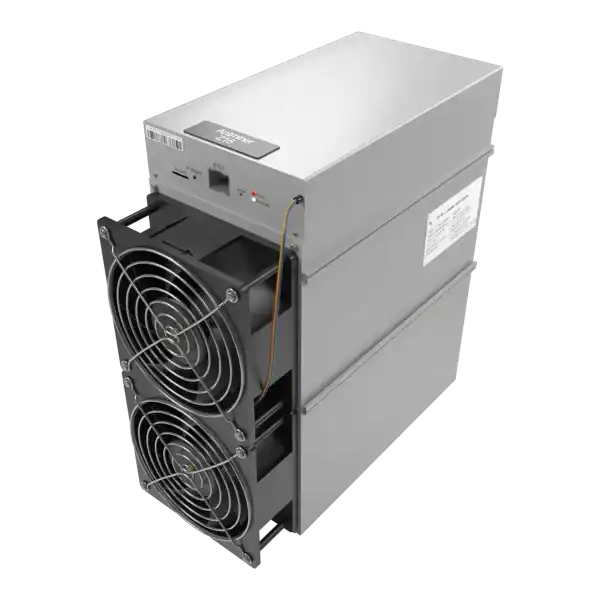
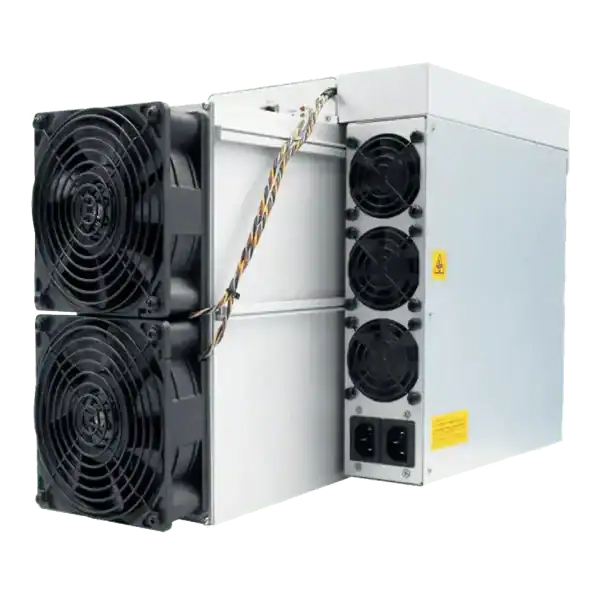
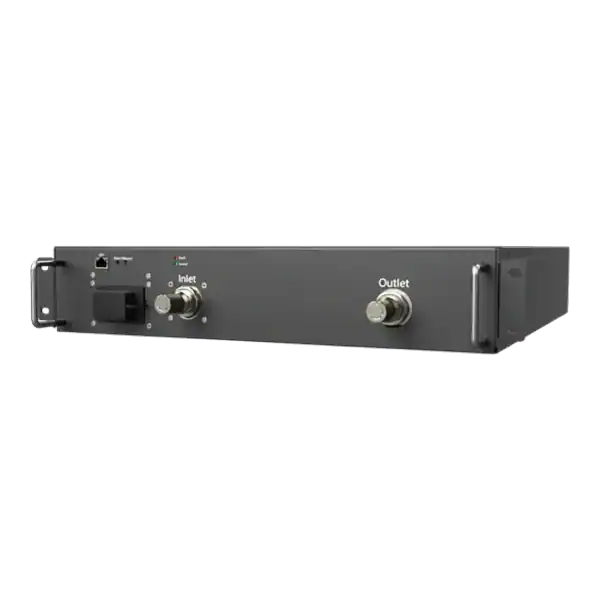
Supporting view for choosing ASIC mining hardware.Supporting view for choosing ASIC mining hardware.
Choosing ASIC Mining Hardware with Evidence
Choosing ASIC mining hardware should leave a short evidence file containing the specification, seller test, delivered price and site limits.
When choosing ASIC mining hardware, compare the same operating mode and the same cost period so one machine is not favoured by missing data.
What the Current Data Can and Cannot Tell You
ASIC specifications, firmware support, network difficulty and mining revenue change. Recheck them on the purchase date.
A manufacturer rating is not a guarantee of the performance of a particular used unit or installation.
UK electrical, planning, noise and business duties depend on the real site and should be checked before installation.
Decision Table
Buying Question
Evidence To Collect
Can it mine the network?
Exact algorithm, model and current pool support
Can the site power it?
Voltage, wall watts, circuit and protection assessment
Can the site cool it?
Heat load, airflow or liquid cooling design
Is the price sensible?
Complete cost and a downside profitability case
Can it be supported?
Warranty, parts, firmware and repair route
A table is a starting point, not a promise. Verify current official sources and apply each detail to the decision you are actually making.
Frequently Asked Questions
Should I Buy the ASIC with the Highest Hashrate?
Not automatically. Compare efficiency, wall power, price, condition and the amount of accepted work the site can operate safely.
Can One ASIC Mine Every Cryptocurrency?
No. An ASIC is normally tied to one algorithm family, and current pool and network support must also be confirmed.
What Is the Most Important Cost to Check?
Electricity is often the largest continuing cost, but cooling, repairs, fees, downtime and delivery can also change the result.
Is a Used ASIC Miner Worth Buying?
It can be, but only after checking the exact model, condition, logs, firmware, repair risk and a representative pool test.
How Long Should I Test a Miner?
Long enough to compare stable wall power and accepted pool work across normal conditions, rather than relying on one short dashboard reading.
Conclusion
Choosing ASIC mining hardware begins with compatibility and ends with evidence from the real site. Match the algorithm, compare efficiency, confirm the electrical and cooling boundary, inspect condition and calculate every cost. Test one machine before scaling, because a powerful specification cannot repair an unsafe or uneconomic purchase.
Darren Waggott is the visionary Founder and CEO of The Mining Shop UK, with over a decade of leadership in the cryptocurrency mining sector. Renowned for driving innovation, Darren has built a company dedicated to providing high-quality ASIC miners and comprehensive hosting services. His forward-thinking approach places The Mining Shop UK at the forefront of the industry.
Membership helps us protect the discussion from spam and keep answers useful.
ASIC MINING SUPPORT
Need Help Choosing an ASIC Miner?
Tell us what you want to mine, your electricity cost and where the machine will run. We can help you compare hardware, power requirements, hosting and repairs.
We use necessary cookies to run the shop and optional analytics cookies to understand how visitors use the site and improve shopping and checkout. You can accept analytics, use only necessary cookies, or choose settings. You can change your choice at any time.
Functional
Always active
The technical storage or access is strictly necessary for the legitimate purpose of enabling the use of a specific service explicitly requested by the subscriber or user, or for the sole purpose of carrying out the transmission of a communication over an electronic communications network.
Preferences
The technical storage or access is necessary for the legitimate purpose of storing preferences that are not requested by the subscriber or user.
Statistics
The technical storage or access that is used exclusively for statistical purposes.The technical storage or access that is used exclusively for anonymous statistical purposes. Without a subpoena, voluntary compliance on the part of your Internet Service Provider, or additional records from a third party, information stored or retrieved for this purpose alone cannot usually be used to identify you.
Marketing
The technical storage or access is required to create user profiles to send advertising, or to track the user on a website or across several websites for similar marketing purposes.





Join the ASIC Mining Discussion
Members can read and join the discussion
Log in to read comments from other miners. Create a free account if you would like to ask a question or share your experience.
Membership helps us protect the discussion from spam and keep answers useful.