

Antminer Z15 Pro
Zcash & Horizen ASIC Miner
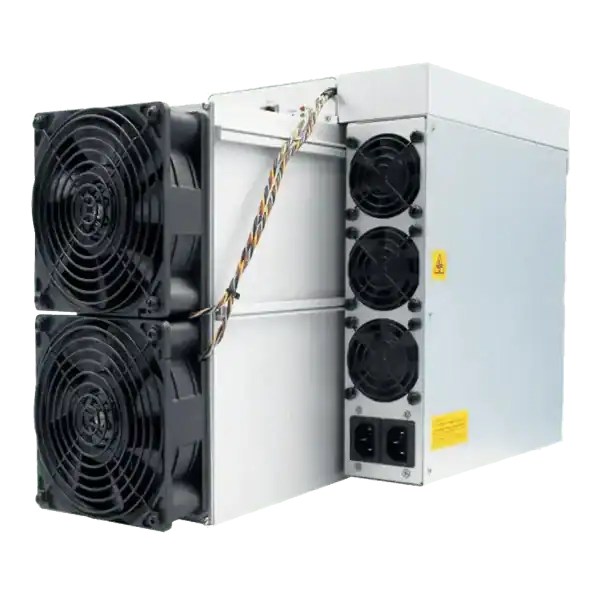

840KSOL
HASHRATE
3.3W/KSOL
EFFICIENCY
2772W
POWER
£1385.48
EST. MONTHLY
9
Months
EST. ROI
ASIC mining costs include electricity, cooling, pool fees, downtime, repairs and hardware. Build a clear UK profitability model from measured figures.

ASIC mining costs are every expense needed to turn specialist hardware into paid mining work. Electricity is usually the largest running cost, but hardware, cooling, pool charges, downtime, repairs, networking, insurance and finance also belong in the calculation.
Profitability is the money left after those costs are deducted from actual mining receipts. A dashboard estimate is not proof of profit. This guide builds a simple UK cost model, shows the difference between cash flow and payback and explains which figures must be updated.
Estimated reading time: 7 minutes
ASIC mining costs are the bills and losses created by running a mining machine. Revenue is what the pool or wallet credits. Profit is what remains after electricity and every other cost are removed. If a calculator leaves out a real bill, its answer is too high.
A miner earns £12 in one day and uses 72 kWh. At 20 pence per kWh, electricity costs £14.40 before cooling, pool fees or repairs. The machine made valid mining work, but the operator lost at least £2.40 that day. Technical success and financial profit are different results.
| Gross Revenue: | Mining receipts before any operating cost is deducted. |
|---|---|
| Net Profit: | Revenue remaining after all relevant costs for the same period. |
| Kilowatt Hour: | The unit used to bill electrical energy. |
| Payback Period: | The estimated time for cumulative net cash to recover the initial cost. |
| Difficulty: | A network value affecting expected reward for a given hashrate. |
A pool dashboard may show coin earned or an estimated fiat value. That is gross revenue, not profit. Use wallet receipts or a reconciled pool ledger for the exact period and state the exchange rate and time used for any sterling valuation.
Subtract every cost created by the operation during the same period. Do not compare a daily revenue figure with a monthly electricity estimate or ignore a withdrawal fee because it appears later. Consistent boundaries prevent attractive but false margins.
Multiply measured kilowatts by hours run to obtain kilowatt hours. Then apply the delivered tariff actually payable. A 3 kW load running for 24 hours uses 72 kWh. At 20 pence per kWh, that is £14.40 before other charges.
Use a suitable meter and include power supply losses. Add standing charges, time bands, demand charges and tax where they genuinely apply. Rated watts are useful for planning, but a measured representative period gives better ASIC mining costs.
Fans inside an air cooled ASIC are already included when power is measured at its supply. External extraction fans, pumps, dry coolers, chillers, network equipment and control systems are separate loads and must be added.
Cooling cost changes with weather and operating mode. A winter test may understate summer fan or chiller energy. Keep miner energy and auxiliary energy as separate lines so improvements can be traced instead of guessed.

The delivered hardware cost includes purchase price, freight, duty, VAT treatment where applicable, power equipment, racks, ducting, pipework and professional installation. A miner cannot operate from the invoice price alone.
Depreciation is an accounting allocation, while cash payback tracks actual money spent and recovered. They answer different questions. Keep the method clear and obtain professional advice for tax and company accounts.
Pool fees, payout method, minimum withdrawal and transaction charges affect the amount reaching the wallet. Developer fees in third party firmware or mining software may divert additional work and must be recorded separately.
Rejected and stale shares consume electricity without receiving normal credit. Compare local hashrate with pool accepted hashrate over a representative window. A machine can appear fast while poor connectivity or instability reduces paid output.
Downtime removes revenue but may not remove every cost. Hosting, finance, staff and some cooling or network charges can continue. Record the reason, start, finish and lost accepted work for each outage.
Fans, power supplies and hashboards fail. Add an allowance based on fleet history, parts price, freight and repair time. One optimistic month with no fault should not be stretched across a multi year payback claim.
Expected coin revenue changes when network difficulty or effective competing hashrate changes. The same ASIC can produce fewer coins later even when its local hashrate remains steady. Block subsidy and transaction fees can also change.
Keep network inputs dated. A historic production cost per bitcoin is not a universal cost because operators pay different tariffs and use different equipment. It is safer to calculate cost for the exact fleet and period.
Start with an expected case using current measured power, accepted work and complete costs. Then reduce revenue, increase difficulty, add downtime and include one repair. A strong plan should remain understandable when several inputs move against it.
Do not assume price must rise after a network event. Market price can fall while difficulty rises. If the model needs perfect uptime, free cooling and a future sale at the purchase price, the apparent return is not robust.
Daily break even electricity price can be estimated by dividing revenue left after non electrical daily costs by total daily kWh. This shows the maximum tariff the current case can carry. It must be recalculated when revenue or load changes.
Payback divides initial cash cost by expected net cash per period, but only when net cash is positive. It is a scenario rather than a deadline. Changing difficulty, price, faults and resale value make a fixed payback date uncertain.
Save model, firmware, power mode, wall meter reading, accepted hashrate, pool statement, wallet receipt, tariff and exchange rate with timestamps. Separate coin quantity from later market value so mining performance is not confused with holding gains.
Review ASIC mining costs after tariff changes, reward changes, repairs and configuration updates. A short monthly reconciliation catches missing fees, drifting power or rejected work before a dashboard estimate becomes a business assumption.
ASIC mining costs should be reconciled each month against pool credit, wallet receipts and metered energy for the same dates.
Separating fixed and variable ASIC mining costs shows which bills stop with the miner and which continue through an outage.
A useful ASIC mining costs record also keeps coin quantity separate from later sterling gains or losses.
Review ASIC mining costs after every tariff, firmware, pool or hardware change instead of carrying an old daily estimate forward.
If ASIC mining costs cannot be traced to a bill, meter, contract or dated allowance, label the figure as uncertain.
Network difficulty, transaction fees, exchange rates and pool rules can change at any time.
Tax, VAT and accounting treatment depend on the operator and require current HMRC guidance or professional advice.
Historical mining cost figures cannot replace measured wall energy and actual receipts for the intended site.
| Cost Line | Evidence |
|---|---|
| Electricity | Metered kWh and delivered tariff |
| Cooling | Separate fan, pump or chiller energy |
| Pool And Software | Fee schedule, accepted work and payouts |
| Downtime And Repair | Incident log, parts, freight and lost output |
| Hardware | Delivered and installed capital cost |
A table is a starting point, not a promise. Verify current official sources and apply each detail to the decision you are actually making.
Electricity is often the largest continuing cost, but the answer depends on tariff, efficiency, cooling and the actual installation.
No. Pool revenue is gross income before electricity, fees, repairs, downtime and other operating costs are deducted.
Multiply measured kilowatts by hours run, then multiply the resulting kWh by the delivered electricity price.
No. Higher hashrate can come with higher power, price or cooling cost. Compare accepted work and complete cost together.
No. Payback is a scenario because revenue, difficulty, price, uptime, repairs and resale value can all change.
ASIC mining costs must be measured across one clear operating boundary. Start with actual receipts, subtract wall electricity, cooling, fees, downtime, repairs and capital cost, then test a worse case. Profitability is a dated calculation, not a property printed on the miner's label.

Build a five-year ASIC replacement calendar from efficiency gap, tariff, failure rate, parts, firmware, resale, network scenarios and capital gates.

Build ASIC profit forecast ranges using base, downside and severe cases for accepted hashrate, energy, uptime, difficulty, reward, fees, price and repairs.
Compare European ASIC mining energy costs using the correct tariff band, taxes, grid connection, curtailment, cooling, contracts and location risks.
Join the ASIC Mining Discussion
Members can read and join the discussion
Log in to read comments from other miners. Create a free account if you would like to ask a question or share your experience.
Membership helps us protect the discussion from spam and keep answers useful.