
Pre-order
Overall ranking

Equihash
·
ZEC
Overall rank#1of 100AvailableAll: #2 / 831
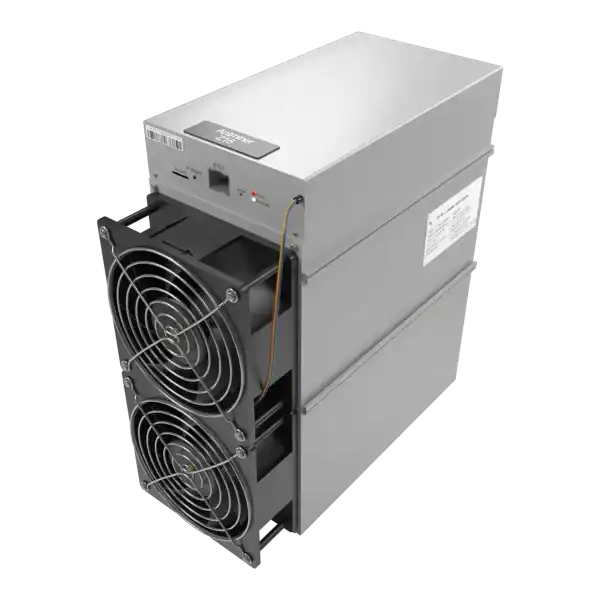

Pre-OrderFree Shipping
Hashrate
525KSOL
Efficiency
4.73W/KSOL
Power
2483W
Earns/kWh
42.1p
Understand buying a refurbished ASIC miner through serials, hashrate test and logs. Verify seller, stock, landed cost, testing and warranty before payment.
Buying a refurbished ASIC miner can reduce the entry cost, but only when its condition, performance and warranty position are supported by evidence.
A refurbished ASIC can be good value. But the discount only matters if the machine hashes reliably, its condition is documented and its efficiency still works at your power price. This operator-led checklist covers the evidence to get before payment, physical and log inspection, a meaningful burn-in test, warranty questions and a conservative ownership calculation.
Buying a refurbished ASIC miner: With power safely isolated, inspect for impact damage, missing screws and distorted guards. Match miner, PSU and box serials to the paperwork.
A miner is checking buying a refurbished ASIC miner. Check fan blades and bearings, packed dust, bent heatsinks, loose material, liquid and corrosion. A traceable business with test records, written terms and repair capacity is not the same proposition as an anonymous listing.
A used miner may simply have been cleaned. A repaired miner had a known fault corrected. A professionally refurbished miner should be inspected, tested and documented, with defective parts repaired or replaced. The label alone proves none of that.
Ask about former air, hydro or immersion use, reason for sale, known failures, parts fitted and firmware history. Oil, corrosion, mixed hashboards or a changed control board alter the risk and should alter the description and price.
A traceable business with test records, written terms and repair capacity is not the same proposition as an anonymous listing. The Mining Shop's warranty policy states our cover for used or refurbished units.

Start with the exact variant because hashrate, voltage, PSU and control board can differ within one series. Get clear photos of every side, serials, connectors, fans, PSU and packaging. Request the dashboard plus current and history kernel logs. Bitmain distinguishes a current log for the present run from history used to investigate instability.
Record firmware, factory or custom settings and any overclocking. Ask for a sustained pool chart showing accepted hashrate, rejects, duration, wall power, inlet temperature and operating mode. A snapshot can catch a lucky spike. A time series shows whether it stays working.
| Evidence | What it can reveal | Unsatisfactory answer |
|---|---|---|
| Serial and proof of origin | Identity, model and warranty lookup | Label hidden, altered or inconsistent |
| Current plus history logs | Present faults, reboots and intermittent events | Only a cropped screenshot |
| Sustained pool chart | Accepted output and stability | Instant local hashrate only |
| Wall-power reading | Real efficiency and operating cost | Specification copied from a website |
| Repair record | Parts changed and work completed | 'Refurbished' with no documented work |
| Written warranty and returns | Who carries the failure risk | Verbal promise or manufacturer assumption |
With power safely isolated, inspect for impact damage, missing screws and distorted guards. Match miner, PSU and box serials to the paperwork. Browning, melting, looseness or arcing at a power connector is not cosmetic. Check fan blades and bearings, packed dust, bent heatsinks, loose material, liquid and corrosion.
Disclosed immersion residue is different from unexplained oil on an air-cooled resale. Open the miner only where authorised and safe. Confirm boards and cables appear correct. Never energise damaged power connections, loose metal, liquid ingress or equipment with unknown voltage requirements.
Confirm every expected chain remains present. Chip count is model-specific. So use official documentation for the exact variant. Temperatures should stabilise within limits without one board separating sharply. Fan readings should be plausible. Look for repeating board discovery failures, missing chips, sensor and fan faults, over-temperature events, voltage warnings, restarts and mining gaps.
Ask for a written explanation and corrective test. Metrics vary by pool and firmware. Focus on whether accepted pool hashrate tracks expected output without resets or excessive rejects. Without complete logs, price it as an unknown fault. Our ASIC troubleshooting guide covers safe first checks.
Begin from cold so startup and board detection are visible. On stable power and approved settings, record inlet and board temperatures, fan RPM, wall power, local and accepted hashrate, rejects, resets and alarms. Wait for thermal stability. Prefer a sustained test and, where practical, a 24-hour pool average.
The purpose is a reproducible baseline that exposes intermittent boards, thermal drift, unstable PSUs and warm fan failures and not perfect short-term luck. In person, watch startup and hashing. Remotely, request a timestamped video linking serial, dashboard and pool worker. Retain the files supplied before payment.
A warranty lookup does not prove transferable cover. Bitmain offers serial checking. At the same time, published product terms may limit cover to the original direct buyer. Put the claim handler, shipping, exclusions and remedy in the order confirmation.
The Mining Shop provides 30 days of commercial cover from delivery on used, ex-demo and professionally refurbished units unless longer is written. Relevant damage from unsupported firmware, unsafe tuning, inadequate airflow, poor power, moisture or modification is excluded. Read the policy. Consumers buying from a trader and business buyers do not have identical rights.
Consumer Rights Act protections may apply to eligible consumer contracts. B2B purchases rely heavily on written terms. Take advice if status is material.
Acquisition cost includes price, delivery, import, irrecoverable VAT, required hardware, electrical work and repair reserve. Daily net subtracts power, pool or hosting, downtime and maintenance from modelled gross revenue. Divide cost by conservative daily net only when net is positive. The table below is deliberately hypothetical.
It is not a claim about a real miner or current earnings. It shows why purchase price alone is a poor buying rule. Replace every input with a current, evidenced value from our live profitability table and stress-test higher difficulty, lower coin price and downtime.
| Illustrative input | Refurbished candidate | Newer candidate |
|---|---|---|
| Acquisition cost | £1,200 | £2,800 |
| Wall power | 3.25 kW | 3.50 kW |
| Modelled gross revenue/day | £8.50 | £13.00 |
| Power at £0.07/kWh | £5.46/day | £5.88/day |
| Chosen maintenance provision | £0.50/day | £0.25/day |
| Illustrative net before other costs | £2.54/day | £6.87/day |
| Simple illustrative payback | About 472 days | About 408 days |
Walk away from altered or hidden serials, refused logs, a machine that cannot be shown hashing, model mismatches, burnt connectors, unexplained liquid or pressure for irreversible payment. An unidentified bargain is an unpriced repair. Treat removable firmware, a named warranty provider and written duration as evidence, not verbal detail.
Price must compensate for age, efficiency, condition and parts risk. Otherwise budget for professional ASIC inspection or repair.
A refurbished ASIC should be bought from its evidence, not its label. Verify identity, history, physical condition, complete logs, sustained accepted hashrate, measured wall power and the exact written warranty. Then compare conservative net profit and not headline hashrate or purchase price and with a newer machine at the same electricity rate.
The right refurbished miner can be excellent value. The wrong one is an inefficient asset with an undocumented repair bill already waiting inside it.
A used miner may simply have been cleaned. A repaired miner had a known fault corrected.
Start with the exact variant because hashrate, voltage, PSU and control board can differ within one series. Get clear photos of every side, serials, connectors, fans, PSU and packaging.
Confirm every expected chain remains present. Chip count is model-specific.
Acquisition cost includes price, delivery, import, irrecoverable VAT, required hardware, electrical work and repair reserve. Daily net subtracts power, pool or hosting, downtime and maintenance from modelled gross revenue.
Walk away from altered or hidden serials, refused logs, a machine that cannot be shown hashing, model mismatches, burnt connectors, unexplained liquid or pressure for irreversible payment. An unidentified bargain is an unpriced repair.
[object Object]
Treat 'used', 'repaired'. And 'professionally refurbished'. As different descriptions and ask exactly what work was done, by whom and with which parts. Before payment, get serials, clear condition photos, current and history logs, firmware details and a sustained pool-side hashrate record under stated power and ambient conditions.
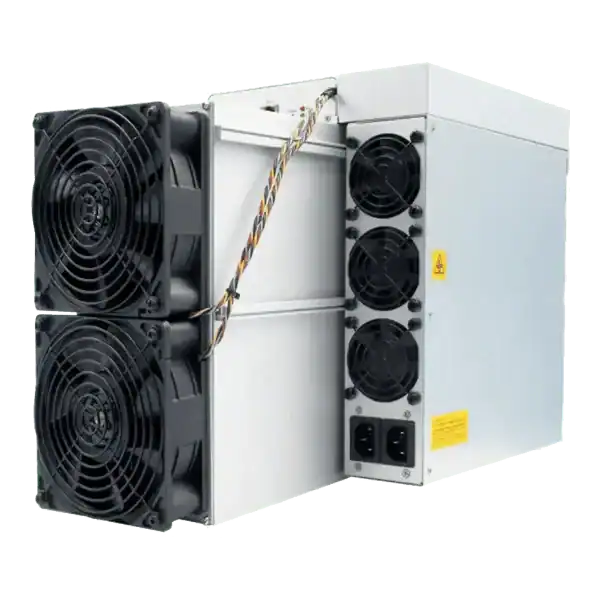
Bitcoin ASIC Compatibility made simple. Compare performance, power, cooling, noise and practical risks before choosing or operating mining hardware.
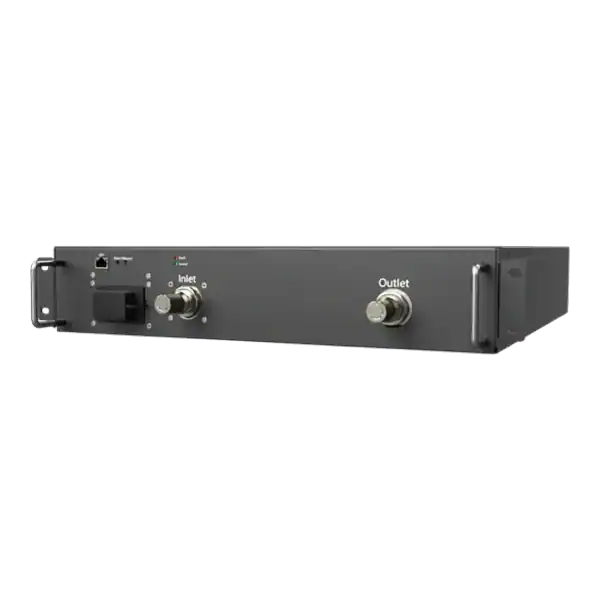
Practical guide to SEALMINER A4 review, covering efficiency and wall power. Compare costs, measured performance and site fit before buying hardware.
Unproven home ASIC launch review: assess an unproven home ASIC launch through manufacturer identity, samples, specifications, certification, firmware, delivery.

Join the ASIC Mining Discussion
Members can read and join the discussion
Log in to read comments from other miners. Create a free account if you would like to ask a question or share your experience.
Membership helps us protect the discussion from spam and keep answers useful.