

Sealminer A4 Ultra Hydro
Bitcoin & Bitcoin Cash ASIC Miner
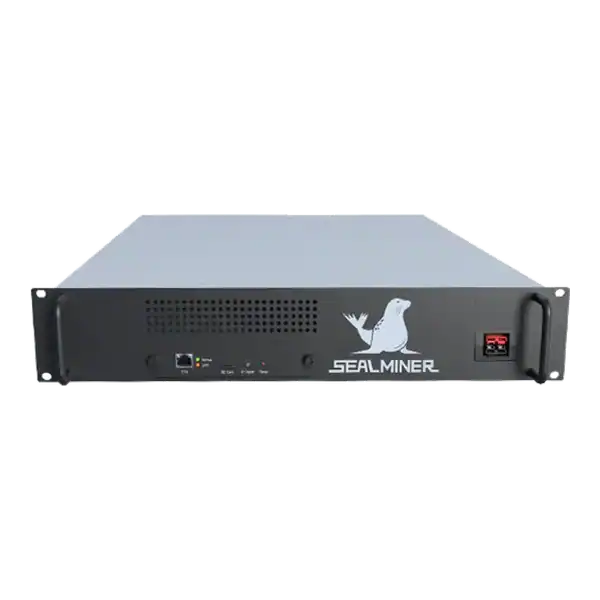

886TH
HASHRATE
9.45W/TH
EFFICIENCY
8373W
POWER
£903.43
EST. MONTHLY
NO PAYBACK
EST. ROI
Compare Bitcoin mining vs buying Bitcoin using capital cost, electricity, custody, uptime, tax records and downside scenarios before choosing an approach.
This guide explains Bitcoin mining vs buying Bitcoin for UK ASIC buyers and operators. It covers capital cost, operating exposure, custody and execution risk, identifies the checks that change the decision and separates useful operating evidence from headline claims. Verify current specifications, prices and service terms before acting, then apply your own electricity cost, site limits and risk tolerance.
Bitcoin mining vs buying Bitcoin: Bitcoin mining and buying bitcoin can both create exposure to bitcoin. But they are not equivalent transactions. A purchase exchanges cash for an immediately identifiable quantity of bitcoin, subject to venue, custody and execution risk.
A miner wants to understand Bitcoin mining vs buying Bitcoin. If the aim is to get a defined amount of bitcoin immediately, direct purchase is simpler to measure.
Bitcoin mining and buying bitcoin can both create exposure to bitcoin. But they are not equivalent transactions. A purchase exchanges cash for an immediately identifiable quantity of bitcoin, subject to venue, custody and execution risk. Mining buys hardware and operating capability. Bitcoin then arrives gradually if the machine remains online, submits accepted work and produces revenue above its costs.
Start with the objective and time horizon. If the aim is to get a defined amount of bitcoin immediately, direct purchase is simpler to measure. If the aim is to operate productive infrastructure, use contracted or stranded energy, recover useful heat or build mining expertise, hardware can serve a wider business purpose. Do not use mining as an indirect purchase without pricing the operational work.
Set a maximum cash commitment and a maximum acceptable loss. The FCA describes direct crypto investment as high risk and warns that buyers should be prepared to lose all the money invested. Mining does not remove that market risk. It adds equipment value, electricity commitments, breakdowns, site safety and counterparty exposure.

For direct purchase, record the net bitcoin received after trading and withdrawal fees. For mining, record the complete installed cost: miner, delivery, irrecoverable taxes, electrical work, cooling, network equipment, setup fees and initial spares. If VAT is recoverable by a business, confirm the treatment with its accountant and model cash timing separately rather than assuming recovery.
| Question | Buy bitcoin | Buy and operate an ASIC |
|---|---|---|
| What is received first? | Bitcoin after execution | Hardware and operating obligation |
| Ongoing cash needed? | Custody costs may apply | Electricity, pool, maintenance and site costs |
| Main operational risk | Venue and key custody | Uptime, power, cooling, pool and repair |
| Timing of BTC exposure | Immediate | Accumulates over operation |
| Residual asset | Remaining bitcoin | Bitcoin plus used hardware value |
Do not compare £10,000 of bitcoin with a £10,000 miner if the miner needs another £5,000 of electricity during the period. Either reserve the operating cash within the same budget or compare total cash deployed. Equally, do not subtract an optimistic resale value from the hardware price at the start. Test several exit values, including zero.
Mining output depends on accepted hashrate, network difficulty, block subsidy, transaction fees and pool method. Build a month-by-month BTC estimate, then reduce it for fees, rejects and downtime. The estimate should decline or vary under downside cases rather than assuming today’s daily output continues unchanged for years.
Keep the BTC calculation separate from the sterling calculation. This shows whether mining produces more or less bitcoin than could have been bought with the same total cash. Then convert costs and holdings to pounds at timestamped rates for accounting and cash-flow review.
Mixing both in one line can make a rising bitcoin price look like improved mining performance when the machine produced no extra bitcoin.
For example, £10,000 might buy 0.10 BTC after fees on the comparison date. Compare the mining plan with that 0.10 BTC and any return the unused operating cash could have earned.
Suppose the hardware and £5,000 of reserved electricity are expected to produce only 0.09 BTC. The mining case then needs another evidenced benefit, such as useful heat or the miner’s resale value, to catch up.
Direct ownership requires a decision about custody. Leaving bitcoin with a service creates counterparty and account risk. Self-custody creates responsibility for keys, backups and succession. A mistaken transfer or lost key can be irreversible. Test the withdrawal process with a small amount and maintain records without exposing seed phrases or private keys.
Mining replaces none of those duties because pool proceeds still need a secure destination. It adds hardware procurement, electrical and fire safety, noise, heat, firmware, pool security and repair logistics. Hosting transfers some daily tasks to a facility but adds contract, jurisdiction, payment and equipment-return risk. Read what the host controls and what remains the owner’s responsibility.
The risk that is easiest for one operator may be hardest for another. A competent facilities business with low-cost power may manage hardware well. A buyer seeking passive exposure may be better served by a simpler route, subject to independent financial and tax advice.
Use at least three cases. In the mining case, reduce BTC revenue, lower uptime, increase electricity cost and include a repair. In the direct-purchase case, reduce bitcoin’s market value and include custody or venue failure scenarios. The purpose is not to predict which event occurs. But to see which loss and cash requirement the buyer can tolerate.
A mining plan can fail before the end of its model if monthly revenue no longer covers electricity and the owner cannot fund the gap. A direct holding does not require electricity. But its market value can fall sharply. Hardware can have residual value, yet new generations can reduce demand for older miners.
Bitcoin may be liquid. But venue access and withdrawals can fail at the time they are needed.
Recalculate at purchase, commissioning and each material tariff or network change. Do not keep mining solely because money was already spent. Compare the future revenue and costs from today with the current sale or redeployment value.
Mining can suit a buyer with a safe site, a defensible energy advantage and the capacity to operate equipment through weak periods. It can also support heat recovery, flexible energy demand or a wider infrastructure business. The expected advantage should survive realistic downtime and difficulty scenarios.
A staged deployment strengthens the case. Commission one machine, measure accepted hashrate and wall power, then compare real BTC output with the model before scaling.
Direct purchase may better match a buyer who wants immediate exposure, lacks suitable power and cooling or does not want operational responsibility. It avoids machine downtime and electricity commitments. But requires careful venue selection and custody.
Neither route is automatically suitable. A buyer who cannot afford a total loss should not treat either as a safe savings product. Independent financial, legal and tax advice may be necessary.
Use a written decision sheet that records date, total capital, operating reserve, BTC acquired or expected, custody plan, site assumptions, downside result and exit route. Keep the comparison factual and avoid promotional language. If a material assumption cannot be evidenced, make it a condition that must be resolved before funds are committed.
Bitcoin mining and buying bitcoin can both create exposure to bitcoin. But they are not equivalent transactions.
For direct purchase, record the net bitcoin received after trading and withdrawal fees. For mining, record the complete installed cost: miner, delivery, irrecoverable taxes, electrical work, cooling, network equipment, setup fees and initial spares.
Direct ownership requires a decision about custody. Leaving bitcoin with a service creates counterparty and account risk.
Mining can suit a buyer with a safe site, a defensible energy advantage and the capacity to operate equipment through weak periods. It can also support heat recovery, flexible energy demand or a wider infrastructure business.
Use a written decision sheet that records date, total capital, operating reserve, BTC acquired or expected, custody plan, site assumptions, downside result and exit route. Keep the comparison factual and avoid promotional language.
Bitcoin mining versus buying Bitcoin is a choice between immediate asset exposure and an operating business that may produce bitcoin over time. Compare both using the same total cash and date. Measure BTC first, add every mining cost, test custody and operating failures, and use downside scenarios.
Mining can be rational where energy and operational capability create a durable advantage. Direct purchase can be cleaner where the objective is simply to own a defined amount.
Use The Mining Shop UK profitability tools to model measured power and downside cases, then compare the projected BTC with a same-day purchase before choosing hardware.
Assess Bitcoin mining vs buying Bitcoin against the actual site, tariff and operating objective. Stress-test weaker revenue, higher difficulty, downtime and repair cost before committing capital.

Build a five-year ASIC replacement calendar from efficiency gap, tariff, failure rate, parts, firmware, resale, network scenarios and capital gates.
Build ASIC profit forecast ranges using base, downside and severe cases for accepted hashrate, energy, uptime, difficulty, reward, fees, price and repairs.
Compare European ASIC mining energy costs using the correct tariff band, taxes, grid connection, curtailment, cooling, contracts and location risks.
Join the ASIC Mining Discussion
Members can read and join the discussion
Log in to read comments from other miners. Create a free account if you would like to ask a question or share your experience.
Membership helps us protect the discussion from spam and keep answers useful.