

Sealminer A4 Ultra Hydro
Bitcoin & Bitcoin Cash ASIC Miner
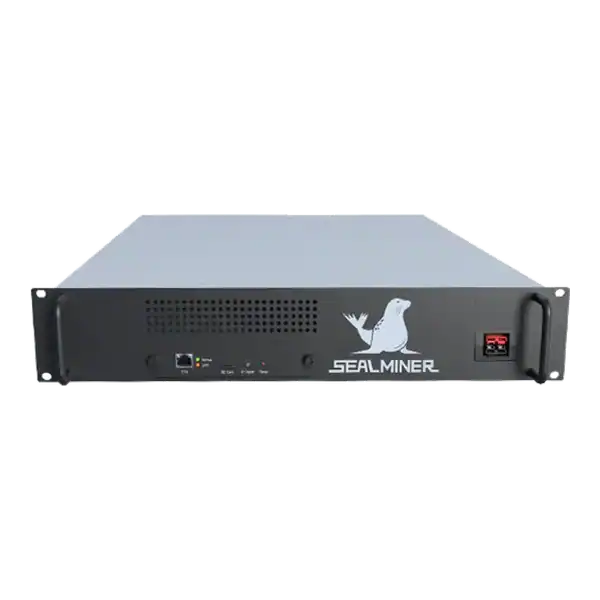

886TH
HASHRATE
9.45W/TH
EFFICIENCY
8373W
POWER
£804.28
EST. MONTHLY
NO PAYBACK
EST. ROI
Build a Bitcoin halving risk management plan using revenue scenarios, energy break even analysis, hardware efficiency, liquidity and operational controls.
Bitcoin halving risk management starts with one fixed protocol fact: the block subsidy falls after each 210,000 block interval. Everything that follows, including price, network hashrate, difficulty, fees and competitor behaviour, is uncertain. ASIC operators should prepare with scenario based unit economics, liquidity, efficiency and operating triggers rather than a single price forecast.
Bitcoin halving risk management is a fleet and cash discipline rather than a prediction contest. Measure the current operation, separate subsidy and fee effects, stress revenue and energy cost, then rank machines by future marginal contribution.
A miner is checking Bitcoin halving risk management. If less efficient operators leave after a halving, surviving miners may gain a larger share of blocks after difficulty responds.
Bitcoin Core consensus parameters set a subsidy halving interval of 210,000 blocks. The subsidy began at 50 BTC and shifts down by half at each interval. The April 2024 halving reduced it from 6.25 BTC to 3.125 BTC per block. The event is determined by block height. So a calendar date is only an estimate.
A miner’s gross reward also includes its share of transaction fees. Pool fees and the pool’s reward method then affect the amount credited. This is why a subsidy reduction does not translate mechanically into an identical percentage change in every miner’s realised revenue.
Network difficulty adjusts over time as total mining power changes. If less efficient operators leave after a halving, surviving miners may gain a larger share of blocks after difficulty responds. Price, fees and hashrate can move in either direction. So avoid treating that adjustment as guaranteed relief.

Measure each model or operating group at the wall. Record accepted pool hashrate, electricity, auxiliary cooling power, rejects, downtime, pool fee and actual credited Bitcoin. Product specifications are useful for comparison but should not replace site data.
Separate fixed costs from costs avoided when a miner stops. Electricity and some cooling may be avoidable. Rent, finance, staffing and many hosting charges may continue. A machine can be contribution positive while the business remains loss making after fixed costs.
| Input | Use | Evidence |
|---|---|---|
| Accepted hashrate | Revenue allocation | Pool average over representative periods |
| Wall and auxiliary power | Energy cost | Metered kWh by operating group |
| Pool credit and fees | Realised gross revenue | Payout statement and method |
| Availability | Expected monthly output | Downtime and maintenance log |
| Fixed commitments | Cash runway | Contracts, finance and payroll |
Energy break even is the maximum electricity price at which mining revenue covers the energy included in the calculation. For a period, divide expected mining revenue by metered kWh. If revenue is £4.80 per day and total variable energy is 72 kWh, the energy break even is about £0.0667 per kWh before other costs.
Recalculate with several post-halving revenue cases. A simple stress case can reduce subsidy related revenue while leaving transaction fee revenue separate. Then vary Bitcoin price, difficulty, uptime and pool deductions. This is more informative than multiplying today’s revenue by one half.
State whether cooling and conversion losses are included. A miner displayed at 20 J/TH may have a worse facility efficiency after fans, pumps and transformers. Use the same boundary when comparing machines.
Create severe, conservative and favourable cases. Each should specify price, network difficulty or expected revenue per unit of hashrate, transaction fee contribution, electricity price and availability. Apply the cases to the same fleet and cash commitments.
The severe case should answer how long the business can pay unavoidable costs if the least efficient group stops. The conservative case should guide normal budgeting. A favourable case can support expansion only if capital, lead time and connection capacity are also modelled.
Refresh the cases as block height approaches the event and again after enough post-event evidence accumulates. Do not replace the plan with a short lived fee spike or one day’s pool estimate.
Sort machines using measured facility watts per accepted terahash and reliability, not hashrate alone. A high hashrate machine can be the first to stop if its efficiency, repair rate or hosting charge is poor. Include the value and lead time of parts.
Set operating bands. The first band runs normally. The next uses a supported efficient profile. A marginal band runs only below a defined energy price or above a defined revenue threshold. The final band is held for sale, parts or recycling if repair cannot be justified.
Check warranty before changing firmware or frequency. An efficiency gain that removes support or makes failures harder to diagnose may increase total risk.
Build cash runway for electricity, hosting, tax, payroll, repairs and finance. Mining rewards may be volatile and pool withdrawals can have thresholds or delays. Keep business continuity funds separate from speculative Bitcoin exposure.
Review hosting and energy agreements for fixed terms, minimum consumption, curtailment, deposits and exit costs. Turning miners off may not remove the bill. Discuss amendments before the economics deteriorate, not after a missed payment.
Secure pool and wallet access with independent verification, multifactor authentication and tested recovery. A halving often attracts rushed migrations and offers. Never install unofficial firmware or change a payout destination from an unsolicited message.
Continue when expected revenue covers variable cost with an adequate risk margin and the fleet remains reliable. A supported lower power mode can be sensible if it improves facility efficiency and extends operation at the available tariff.
Replace equipment when the measured saving, reliability and remaining market risk justify capital, lead time and installation cost. Compare the new machine against keeping, selling and curtailing the existing unit.
Curtail when expected revenue no longer covers avoidable operating cost or when preserving equipment and cash has greater value. Exit or recycle when the realistic future contribution cannot justify fixed commitments, repair and opportunity cost.
Do not keep a machine running to recover its purchase price. That cost is already incurred; the decision should compare future cash flows.
Write decision thresholds before the event and assign an owner for each action. A plan is valuable because it reduces delayed or emotional choices when revenue changes quickly.
Bitcoin halving risk management is a fleet and cash discipline rather than a prediction contest.
Bitcoin Core consensus parameters set a subsidy halving interval of 210,000 blocks.
Measure each model or operating group at the wall. Record accepted pool hashrate, electricity, auxiliary cooling power, rejects, downtime, pool fee and actual credited Bitcoin.
Energy break even is the maximum electricity price at which mining revenue covers the energy included in the calculation.
Bitcoin halving risk management is a fleet and cash discipline rather than a prediction contest. Measure the current operation, separate subsidy and fee effects, stress revenue and energy cost, then rank machines by future marginal contribution. Preserve liquidity and agree operating triggers before block height reaches the event. No historical price pattern removes the possibility of an extended adverse period.
Use The Mining Shop UK profitability tools and efficiency rankings to compare your measured fleet with current ASIC options, then request a commercial review before committing replacement capital.
A halving cuts the subsidy per block, not necessarily a miner's total revenue by exactly half because fees, difficulty, pool method and price also move. Model energy break even and cash runway before the event using conservative accepted hashrate and measured wall power.
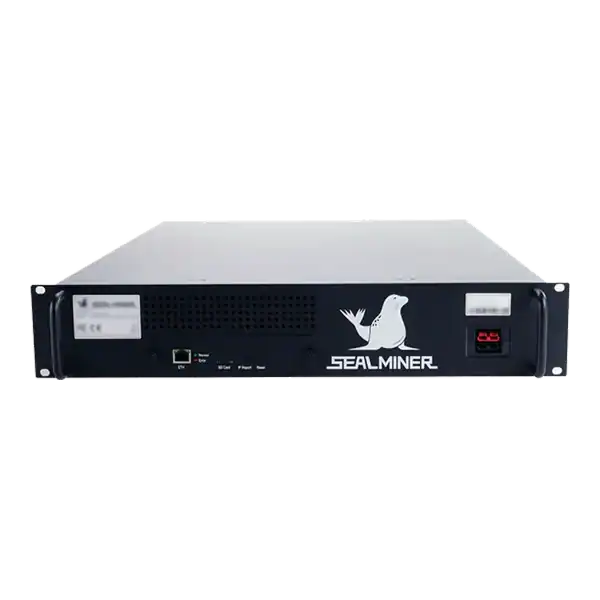
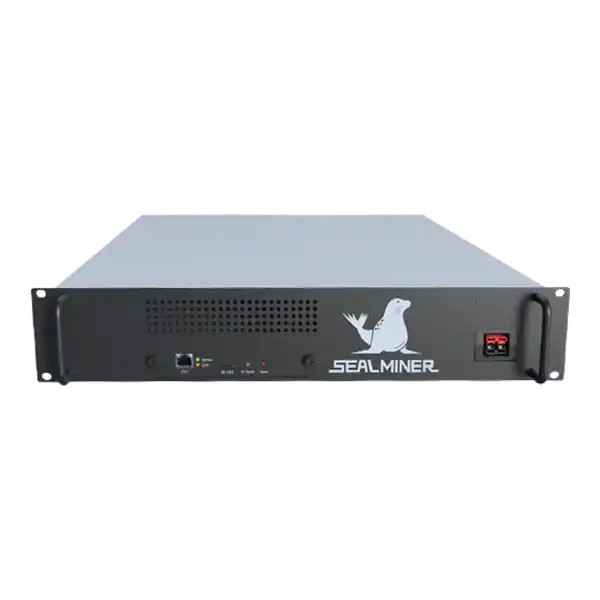

Build a five-year ASIC replacement calendar from efficiency gap, tariff, failure rate, parts, firmware, resale, network scenarios and capital gates.
Build ASIC profit forecast ranges using base, downside and severe cases for accepted hashrate, energy, uptime, difficulty, reward, fees, price and repairs.
Compare European ASIC mining energy costs using the correct tariff band, taxes, grid connection, curtailment, cooling, contracts and location risks.
Join the ASIC Mining Discussion
Members can read and join the discussion
Log in to read comments from other miners. Create a free account if you would like to ask a question or share your experience.
Membership helps us protect the discussion from spam and keep answers useful.