

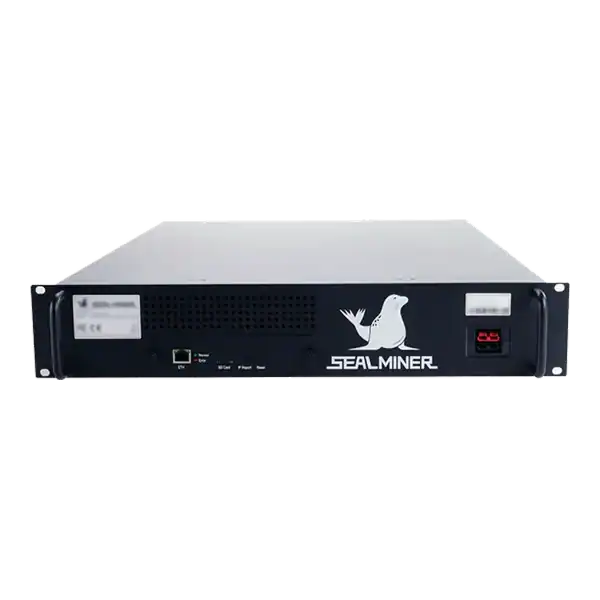
Sealminer A4 Ultra Hydro
Bitcoin & Bitcoin Cash ASIC Miner


886TH
HASHRATE
9.45W/TH
EFFICIENCY
8373W
POWER
£884.60
EST. MONTHLY
NO PAYBACK
EST. ROI
Bitcoin Core 26 getprioritisedtransactions guide covering fee deltas, mempool presence, persistence, mining policy, reconciliation and safe operator use.

This guide explains Bitcoin Core getprioritisedtransactions RPC in plain English. It shows what the command does, what its result means and what it cannot prove.
Bitcoin Core getprioritisedtransactions RPC: Record requester, reason, txid, before and after delta, time, expiry condition and current mempool state without copying unrelated transaction data.
A miner is checking Bitcoin Core getprioritisedtransactions RPC. The command accepts no parameters and returns the full map. Pin the Core version and restrict access because the output exposes local mining-policy interventions.
The command accepts no parameters and returns the full map. Pin the Core version and restrict access because the output exposes local mining-policy interventions.
fee_delta is denominated in satoshis and modifies local fee treatment. It does not change the transaction’s serialized fee, recipient amounts or consensus validity.
in_mempool states whether the transaction is present now. False can mean it was never accepted, was evicted, replaced, confirmed or otherwise left the mempool.

Prioritisation state may outlive mempool presence and can be persisted. Reconcile entries after restart and remove obsolete deltas deliberately using prioritisetransaction.
A positive delta can influence local template selection; a negative one can lower effective priority. Other miners and relays do not inherit the node’s local adjustment.
Record requester, reason, txid, before and after delta, time, expiry condition and current mempool state without copying unrelated transaction data.
Alert on unexpected entries, large deltas, stale absent transactions and divergence between policy records and RPC output. Cross-check with getmempoolentry and templates where relevant. Build a revision-pinned evidence pack on an isolated node, wallet or protocol harness.
Bitcoin Core getprioritisedtransactions RPC: Record requester, reason, txid, before and after delta, time, expiry condition and current mempool state without copying unrelated transaction data.
The command accepts no parameters and returns the full map. Pin the Core version and restrict access because the output exposes local mining-policy interventions.
fee_delta is denominated in satoshis and modifies local fee treatment. It does not change the transaction’s serialized fee, recipient amounts or consensus validity.
in_mempool states whether the transaction is present now. False can mean it was never accepted, was evicted, replaced, confirmed or otherwise left the mempool.
getprioritisedtransactions gives operators the missing inventory for local fee policy. Safe use treats each delta as a controlled, reversible intervention and never confuses local prioritisation with propagation or confirmation.
Check the current specification status and the documentation for the exact implementation you operate before moving production funds or changing a mining node.


Bitcoin Core descriptorprocesspsbt RPC made simple. See what the feature does, where its limits sit and which checks node or wallet operators should make.
Bitcoin Core 22 enumeratesigners guide covering the signer command, master fingerprints, device names, experimental support, failure modes and safe inventory checks.
Bitcoin Core 0.21 send RPC guide covering its experimental contract, outputs, inputs, sat/vB fees, watch-only use, PSBT mode, broadcast control and verification.
Join the ASIC Mining Discussion
Members can read and join the discussion
Log in to read comments from other miners. Create a free account if you would like to ask a question or share your experience.
Membership helps us protect the discussion from spam and keep answers useful.