

Sealminer A4 Ultra Hydro
Bitcoin & Bitcoin Cash ASIC Miner
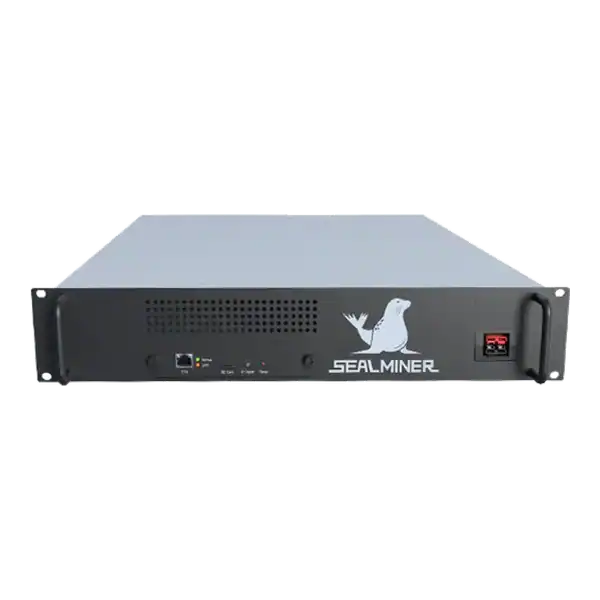

886TH
HASHRATE
9.45W/TH
EFFICIENCY
8373W
POWER
£856.08
EST. MONTHLY
NO PAYBACK
EST. ROI
Bitcoin Core descriptorprocesspsbt RPC made simple. See what the feature does, where its limits sit and which checks node or wallet operators should make.

This guide explains Bitcoin Core descriptorprocesspsbt RPC in plain English. It shows what the command does, what its result means and what it cannot prove.
Bitcoin Core descriptorprocesspsbt RPC: Supply a Base64 PSBT and one or more descriptor strings or objects. Ranged descriptors default to 1000, so use bounded ranges based on known derivation evidence.
A miner is checking Bitcoin Core descriptorprocesspsbt RPC. Only documented sighash strings are accepted. Review their consequence before signing. Core can add information from matching descriptors, the current UTXO set or mempool.
Supply a Base64 PSBT and one or more descriptor strings or objects. Ranged descriptors default to 1000, so use bounded ranges based on known derivation evidence.
Core can add information from matching descriptors, the current UTXO set or mempool. Missing historical coins, wrong ranges or mismatched policies can leave inputs incomplete.
Descriptors containing private material can sign matching inputs. Treat the RPC endpoint as a signer, restrict access and prevent secrets and PSBTs from entering logs.

The default is DEFAULT for Taproot and ALL otherwise unless the PSBT specifies one. Only documented sighash strings are accepted; review their consequence before signing.
bip32derivs defaults true and can expose key origins and paths. Disable it where downstream participants do not need derivation metadata.
finalize defaults true. The result returns PSBT, complete and optional hex when complete. Decode and independently review the final transaction before broadcast.
Operators test the command on a non-production node first. They check a normal reply, an invalid request, a timeout and a restart. This shows what the response means and prevents one local result from being mistaken for a network-wide outcome.
Bitcoin Core descriptorprocesspsbt RPC: Supply a Base64 PSBT and one or more descriptor strings or objects.
Supply a Base64 PSBT and one or more descriptor strings or objects.
Core can add information from matching descriptors, the current UTXO set or mempool.
Descriptors containing private material can sign matching inputs. Treat the RPC endpoint as a signer, restrict access and prevent secrets and PSBTs from entering logs.
descriptorprocesspsbt can bridge descriptor policy and PSBT signing without loading a wallet, but that flexibility raises the review burden. Completion must be followed by independent transaction-policy approval before broadcast.
Check the current specification status and the documentation for the exact implementation you operate before moving production funds or changing a mining node.


Bitcoin Core 26 getprioritisedtransactions guide covering fee deltas, mempool presence, persistence, mining policy, reconciliation and safe operator use.

Bitcoin Core 22 enumeratesigners guide covering the signer command, master fingerprints, device names, experimental support, failure modes and safe inventory checks.
Bitcoin Core 0.21 send RPC guide covering its experimental contract, outputs, inputs, sat/vB fees, watch-only use, PSBT mode, broadcast control and verification.
Join the ASIC Mining Discussion
Members can read and join the discussion
Log in to read comments from other miners. Create a free account if you would like to ask a question or share your experience.
Membership helps us protect the discussion from spam and keep answers useful.