
Pre-order
Overall ranking

Equihash
·
ZEC
Overall rank#1of 100AvailableAll: #3 / 831
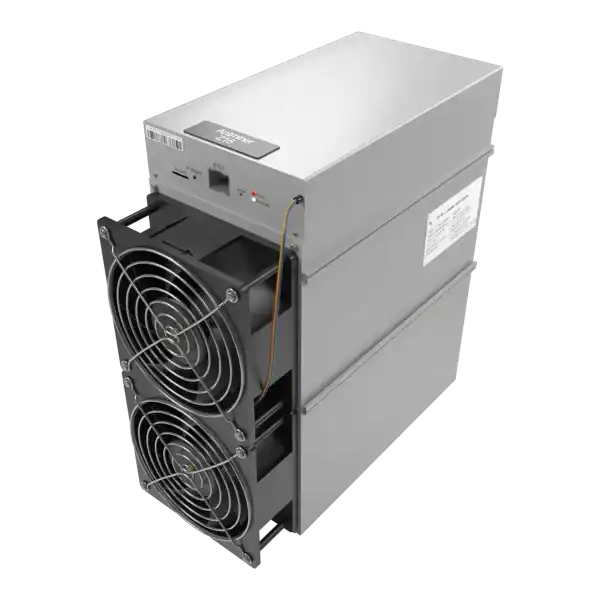

Pre-OrderFree Shipping
Hashrate
525KSOL
Efficiency
4.73W/KSOL
Power
2483W
Earns/kWh
39.8p
Bitcoin Core 0.16 lockunspent guide covering temporary outpoint locks, unlock-all behaviour, memory-only state, coin-selection races and durable reservations.
This guide explains Bitcoin Core lockunspent RPC in plain English. It shows what the command does, what its result means and what it cannot prove.
Bitcoin Core lockunspent RPC: Each item requires txid and non-negative vout. Verify the output belongs to the intended wallet, remains unspent and matches the expected script and satoshi value before changing reservation state.
A miner is checking Bitcoin Core lockunspent RPC. When unlocking with no transaction array, every current lock is cleared. On startup, rebuild authorised reservations from durable application state before enabling coin selection.
Each item requires txid and non-negative vout. Verify the output belongs to the intended wallet, remains unspent and matches the expected script and satoshi value before changing reservation state.
unlock false adds specified outpoints to the temporary lock list; true removes them. Treat the boolean explicitly and verify the resulting set. A reversed flag can release treasury coins or strand a workflow.
When unlocking with no transaction array, every current lock is cleared. Reserve this operation for an approved recovery with a complete external reservation ledger. Never use it as a routine cleanup shortcut.

All locks disappear on process exit or failure. On startup, rebuild authorised reservations from durable application state before enabling coin selection. Monitor the gap and fail closed if reconstruction is incomplete.
The lock affects this wallet’s automatic selection only. Raw transactions, another wallet copy or external signers can still spend the coins. Broader custody controls must exist outside this RPC.
Serialise selection, lock and transaction construction so two workers cannot reserve the same UTXO. Attach owner, purpose and expiry in durable state, then reconcile listlockunspent and current UTXOs continuously.
On regtest, lock and unlock subsets, invoke unlock-all, restart, crash during reconstruction and spend through a manual path. Verify fail-closed startup, stale reservation cleanup and exact audit recovery. Build a revision-pinned evidence pack on an isolated node, wallet or protocol harness.
Bitcoin Core lockunspent RPC: Each item requires txid and non-negative vout. Verify the output belongs to the intended wallet, remains unspent and matches the expected script and satoshi value before changing reservation state.
Each item requires txid and non-negative vout. Verify the output belongs to the intended wallet, remains unspent and matches the expected script and satoshi value before changing reservation state.
unlock false adds specified outpoints to the temporary lock list. True removes them.
When unlocking with no transaction array, every current lock is cleared. Reserve this operation for an approved recovery with a complete external reservation ledger.
lockunspent is a temporary wallet coin-selection control, not durable custody. Reliable reservations require exact outpoints, persistent workflow ownership and fail-closed reconstruction after every restart.
Check the current specification status and the documentation for the exact implementation you operate before moving production funds or changing a mining node.

Bitcoin Core 23 restorewallet guide covering backup paths, wallet naming, startup persistence, warnings, rescans, duplicate restores and recovery verification.
Bitcoin Core 0.21 upgradewallet guide covering explicit versions, generated keys, backup rotation, result fields, compatibility testing and rollback planning.
Bitcoin Core 0.19 setwalletflag guide covering avoid_reuse, rescanning, used-address classification, coin selection, warnings, rollback and wallet safety.

Join the ASIC Mining Discussion
Members can read and join the discussion
Log in to read comments from other miners. Create a free account if you would like to ask a question or share your experience.
Membership helps us protect the discussion from spam and keep answers useful.