
Pre-order
Overall ranking

Equihash
·
ZEC
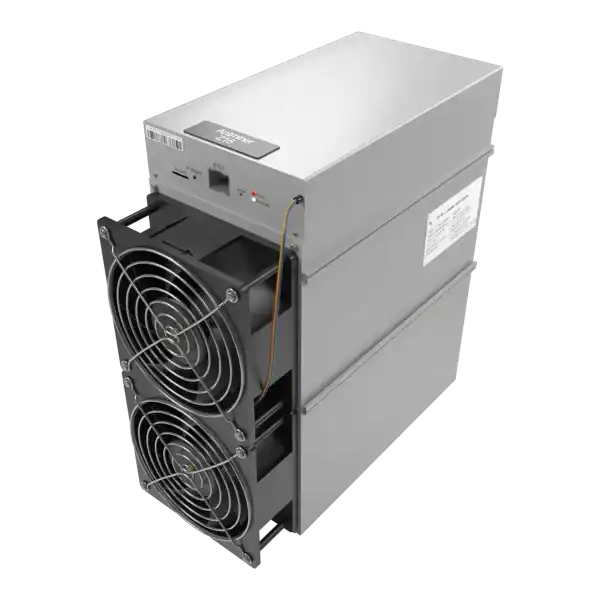
Overall rank#1of 100AvailableAll: #3 / 831

Pre-OrderFree Shipping
Hashrate
525KSOL
Efficiency
4.73W/KSOL
Power
2483W
Earns/kWh
39.8p
Bitcoin Core 0.16 logging guide covering runtime categories, ordered include and exclude rules, all and none semantics, sensitive logs, performance and rollback.

This guide explains Bitcoin Core logging RPC in plain English. It shows what the command does, what its result means and what it cannot prove.
Bitcoin Core logging RPC: Call without arguments for current states. Passing arrays changes runtime configuration. Separate read-only monitoring credentials from mutation authority and record a before-state before every temporary diagnostic session.
A node operator is checking Bitcoin Core logging RPC. None or 0 suppresses all categories even when others are named. Measure free space and throughput, define automatic expiry and disable the session before it threatens node validation or mining services.
Call without arguments for current states. Passing arrays changes runtime configuration. Separate read-only monitoring credentials from mutation authority and record a before-state before every temporary diagnostic session.
include is applied first and exclude second. A category in both finishes disabled. Generate desired state from an explicit allow-list rather than relying on array order assumptions in an integration.
all or 1 represents every category. None or 0 suppresses all categories even when others are named. Reject accidental combinations and verify the returned state object rather than trusting request intent.

Historical categories included network, Tor, mempool, RPC, database, fee estimation, pruning, compact blocks and more. Valid names change by release. Pin supported categories and handle unknown entries without enabling all as fallback.
Debug logs can contain addresses, paths, RPC activity, peer details and transaction data. Set restrictive permissions, bounded retention and redaction. Never enable broad RPC or network logging on a public support request.
Verbose categories increase disk writes, CPU and log-ingestion load. Measure free space and throughput, define automatic expiry and disable the session before it threatens node validation or mining services.
Operators test the command on a non-production node first. They check a normal reply, an invalid request, a timeout and a restart. This shows what the response means and prevents one local result from being mistaken for a network-wide outcome.
Bitcoin Core logging RPC: Call without arguments for current states. Passing arrays changes runtime configuration.
Call without arguments for current states. Passing arrays changes runtime configuration. Separate read-only monitoring credentials from mutation authority and record a before-state before every temporary diagnostic session.
include is applied first and exclude second. A category in both finishes disabled.
all or 1 represents every category. None or 0 suppresses all categories even when others are named.
logging is a powerful live diagnostic control whose precedence and special categories must be explicit. Safe use is temporary, least-privileged, resource-bounded and protective of sensitive output.
Check the current specification status and the documentation for the exact implementation you operate before moving production funds or changing a mining node.

Bitcoin Core 30 data-carrier policy explained: larger OP_RETURN defaults, multiple outputs, aggregate sizing and the boundary between policy and consensus.

Bitcoin Core AssumeUTXO guide covering height 840000 mainnet snapshots, authenticated loading, dual chainstates, background validation, storage and rollback.

Learn how Bitcoin Testnet4 mining works, what it can earn, the costs and security checks, and how a Bitcoin node can support SHA-256 miners.

Join the ASIC Mining Discussion
Members can read and join the discussion
Log in to read comments from other miners. Create a free account if you would like to ask a question or share your experience.
Membership helps us protect the discussion from spam and keep answers useful.