

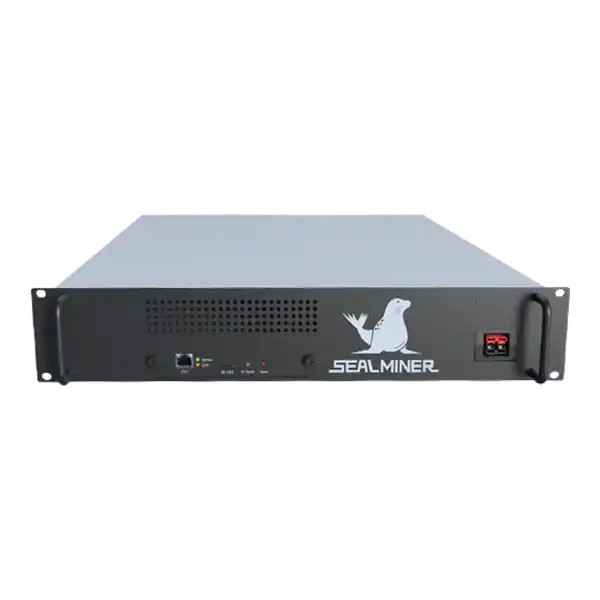
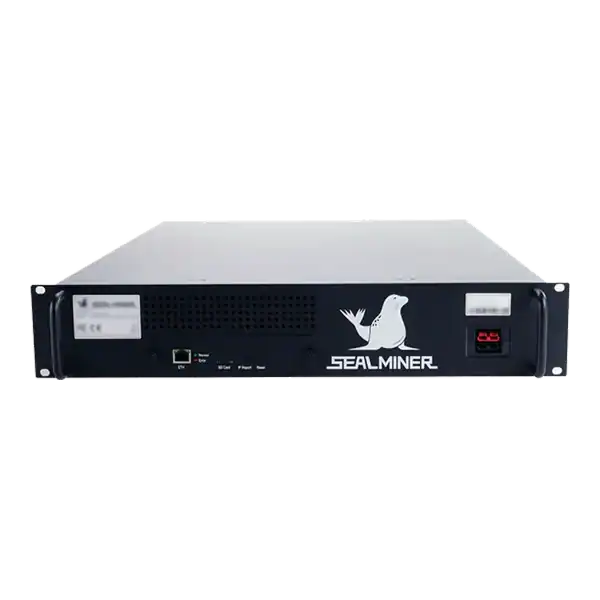
Sealminer A4 Ultra Hydro
Bitcoin & Bitcoin Cash ASIC Miner
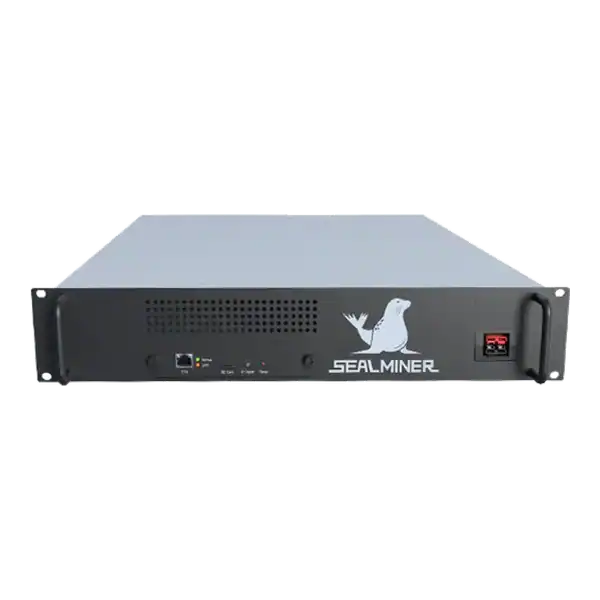

886TH
HASHRATE
9.45W/TH
EFFICIENCY
8373W
POWER
£884.60
EST. MONTHLY
NO PAYBACK
EST. ROI
Bitcoin Core 23 restorewallet guide covering backup paths, wallet naming, startup persistence, warnings, rescans, duplicate restores and recovery verification.

This guide explains Bitcoin Core restorewallet RPC in plain English. It shows what the command does, what its result means and what it cannot prove.
Bitcoin Core restorewallet RPC: Record backup identity without exposing secrets, source version, destination wallet name, warnings, scan range, resulting balances and UTXOs, and isolated restore-test results.
A miner is checking Bitcoin Core restorewallet RPC. Use a controlled signing test only when custody policy permits. Validate exact path ownership and never allow untrusted RPC users to choose arbitrary filesystem targets.
Provide a unique wallet name and an existing readable backup-file path on the node host. Validate exact path ownership and never allow untrusted RPC users to choose arbitrary filesystem targets.
load_on_startup true adds the wallet to persistent settings, false removes it and null leaves the list unchanged. Treat that choice separately from the immediate load result.
The response contains name and warning. Parse and escalate a non-empty warning; do not discard it merely because the wallet appears in listwallets.

Restored descriptors, timestamps, keypool state and wallet format determine scan requirements. Observe rescan progress and reconcile historical transactions and UTXOs against independent records.
Reject name collisions, loaded-wallet conflicts, symlink surprises, wrong-network operations and backups outside the authorised recovery staging directory.
Check encryption state, descriptor inventory, receive and change derivation, watch-only flags and hardware signer mapping. Use a controlled signing test only when custody policy permits.
Record backup identity without exposing secrets, source version, destination wallet name, warnings, scan range, resulting balances and UTXOs, and isolated restore-test results. Build a revision-pinned evidence pack on an isolated node, wallet or protocol harness. Record source commit, binary hash, network, chain identity, configuration and dependencies.
Bitcoin Core restorewallet RPC: Record backup identity without exposing secrets, source version, destination wallet name, warnings, scan range, resulting balances and UTXOs, and isolated restore-test results.
Provide a unique wallet name and an existing readable backup-file path on the node host.
load_on_startup true adds the wallet to persistent settings, false removes it and null leaves the list unchanged.
The response contains name and warning. Parse and escalate a non-empty warning.
restorewallet automates copying and loading a backup, not the whole recovery assurance process. Completion requires clean warnings, historical discovery, policy reconciliation and a tested signing or watch-only boundary.
Check the current specification status and the documentation for the exact implementation you operate before moving production funds or changing a mining node.

Bitcoin Core 0.21 upgradewallet guide covering explicit versions, generated keys, backup rotation, result fields, compatibility testing and rollback planning.

Bitcoin Core 0.19 setwalletflag guide covering avoid_reuse, rescanning, used-address classification, coin selection, warnings, rollback and wallet safety.

Bitcoin Core 0.19 getbalances guide covering trusted, pending, immature, used and watch-only balances, BTC units, wallet routing and reconciliation.
Join the ASIC Mining Discussion
Members can read and join the discussion
Log in to read comments from other miners. Create a free account if you would like to ask a question or share your experience.
Membership helps us protect the discussion from spam and keep answers useful.