
Pre-order
Overall ranking

Equihash
·
ZEC
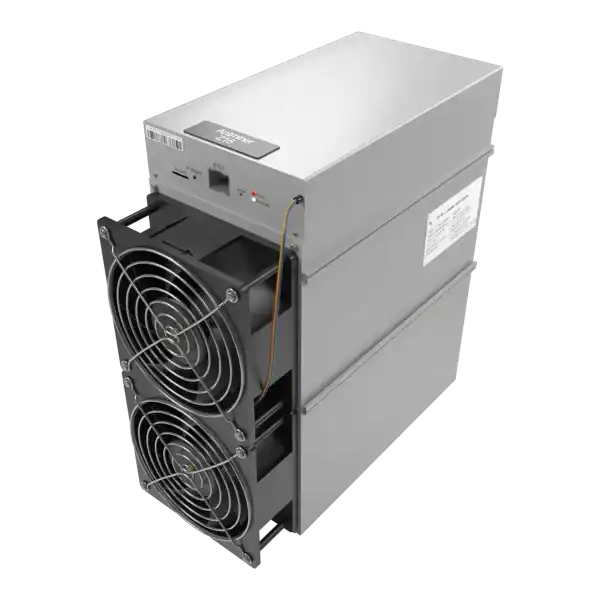
Overall rank#1of 100AvailableAll: #4 / 831

Pre-OrderFree Shipping
Hashrate
525KSOL
Efficiency
4.73W/KSOL
Power
2483W
Earns/kWh
39.8p
Bitcoin Core 0.16 keypoolrefill guide covering target size, wallet unlock, external and internal pools, backups, address availability and monitoring.
This guide explains Bitcoin Core keypoolrefill RPC in plain English. It shows what the command does, what its result means and what it cannot prove.
Bitcoin Core keypoolrefill RPC: Set warning and stop thresholds from peak invoice rate, maintenance duration and failover design. A successful refill does not prove the application stores invoice-to-address bindings atomically or avoids address reuse.
A miner is checking Bitcoin Core keypoolrefill RPC. Newsize is the desired pool size, not an amount added. Validate a sensible positive integer and confirm the post-call value.
newsize is the desired pool size, not an amount added. Validate a sensible positive integer and confirm the post-call value. Huge targets waste generation time and wallet resources; tiny targets risk address-issuance failure during locked operation.
getwalletinfo reports external keypoolsize and conditionally keypoolsize_hd_internal for change. The refill behaviour must support the wallet’s actual HD model. Monitor both paths and test receiving and change beyond current issued indexes.
Encrypted historical wallets may need temporary unlock to generate new keys. Use the shortest permitted window, restrict callers and relock immediately. Do not expose unlock status or wallet identifiers on public dashboards.

Set warning and stop thresholds from peak invoice rate, maintenance duration and failover design. A successful refill does not prove the application stores invoice-to-address bindings atomically or avoids address reuse.
In HD wallets, seed-derived future keys improve recovery, but imported keys and legacy formats have different boundaries. Verify actual restored address sequences. Do not assume a refill removes the need for current encrypted backups and documented wallet format.
Serialise refill with wallet migration and backup operations. Test daemon interruption, disk pressure, locked state and duplicate retries. A partial state should remain measurable through getwalletinfo and must not trigger uncontrolled repeated unlocks.
Operators test the command on a non-production node first. They check a normal reply, an invalid request, a timeout and a restart. This shows what the response means and prevents one local result from being mistaken for a network-wide outcome.
Bitcoin Core keypoolrefill RPC: Set warning and stop thresholds from peak invoice rate, maintenance duration and failover design.
newsize is the desired pool size, not an amount added. Validate a sensible positive integer and confirm the post-call value.
getwalletinfo reports external keypoolsize and conditionally keypoolsize_hd_internal for change. The refill behaviour must support the wallet’s actual HD model.
Encrypted historical wallets may need temporary unlock to generate new keys. Use the shortest permitted window, restrict callers and relock immediately.
keypoolrefill is an address-availability operation with custody implications. Safe use combines bounded target size, minimal unlock, both keypool dimensions, atomic invoice handling and show restoration.
Check the current specification status and the documentation for the exact implementation you operate before moving production funds or changing a mining node.
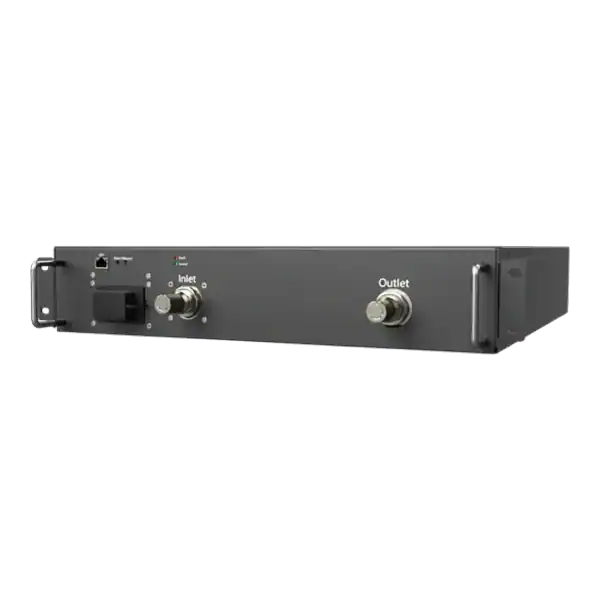

Bitcoin Core 29 getdescriptoractivity guide covering block lists, descriptor ranges, mempool inclusion, receive and spend events, privacy and safe reconciliation.
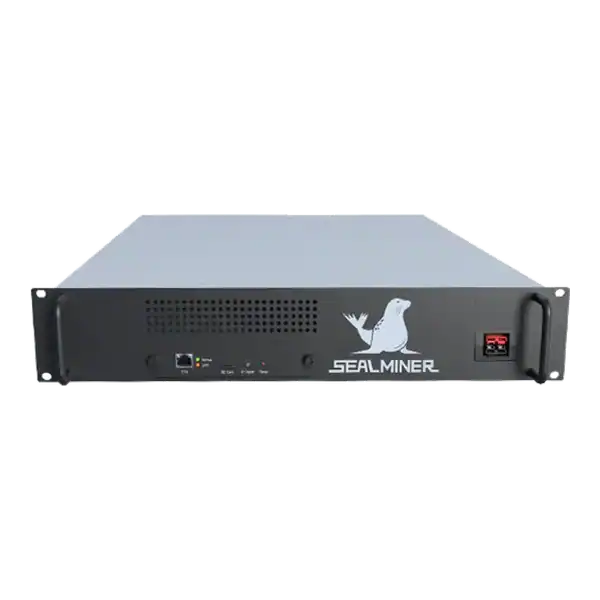
Bitcoin Core 28 gethdkeys guide covering active filtering, xpubs, optional xprvs, descriptor mapping, RPC permissions, privacy and safe wallet audits.
Bitcoin Core 28 createwalletdescriptor guide covering address types, internal and external descriptors, HD-key selection, encryption, backups and verification.

Join the ASIC Mining Discussion
Members can read and join the discussion
Log in to read comments from other miners. Create a free account if you would like to ask a question or share your experience.
Membership helps us protect the discussion from spam and keep answers useful.