
Pre-order
Overall ranking

Equihash
·
ZEC
Overall rank#1of 100AvailableAll: #2 / 831
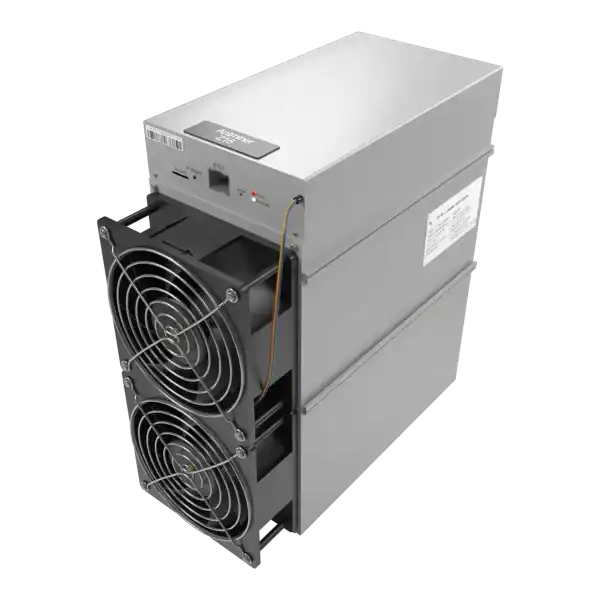

Pre-OrderFree Shipping
Hashrate
525KSOL
Efficiency
4.73W/KSOL
Power
2483W
Earns/kWh
40.2p
Bitcoin Core 0.16 getrawtransaction guide covering mempool scope, txindex, block-hash lookup, raw hex, decoded fields, witness identity and verification.
This guide explains Bitcoin Core getrawtransaction RPC in plain English. It shows what the command does, what its result means and what it cannot prove.
Bitcoin Core getrawtransaction RPC: Without txindex, expect mempool retrieval unless the containing block hash is supplied and available. Do not rely on the deprecated unspent-output behaviour.
A miner is checking Bitcoin Core getrawtransaction RPC. Retain the hash because recent chain membership can change after reorganisation. Pin the mode and validate response shape before processing untrusted sizes or scripts.
Without txindex, expect mempool retrieval unless the containing block hash is supplied and available. Do not rely on the deprecated unspent-output behaviour. Decide archive, indexed and pruned node roles explicitly, and distinguish unavailable local data from an invalid transaction.
A supplied blockhash searches only that block: a mempool copy or occurrence elsewhere is deliberately ignored. In verbose mode, in_active_chain reveals whether that specified block is active. Retain the hash because recent chain membership can change after reorganisation.
False returns hex consensus serialisation; true returns decoded identifiers, size, vsize, version, locktime, inputs, witness stacks, outputs and chain metadata where applicable. Pin the mode and validate response shape before processing untrusted sizes or scripts.

txid excludes witness serialisation while hash in the historical verbose result represents witness-inclusive identity and can differ for SegWit transactions. Recompute both from raw bytes with a trusted parser. Never accept a supplied identifier without verifying the returned serialisation.
vin references previous outpoints and carries scriptSig, sequence and optional witness; vout contains BTC value, index and script information. Verify previous outputs and script execution independently. Address renderings are conveniences, not the consensus definition of ownership.
time and blocktime are block-related historical fields, not precise transaction creation or receipt timestamps. Confirmations and active membership can change. Payment systems must monitor the exact output and recalculate depth after reorganisations.
Operators test the command on a non-production node first. They check a normal reply, an invalid request, a timeout and a restart. This shows what the response means and prevents one local result from being mistaken for a network-wide outcome.
Bitcoin Core getrawtransaction RPC: Without txindex, expect mempool retrieval unless the containing block hash is supplied and available.
Without txindex, expect mempool retrieval unless the containing block hash is supplied and available.
A supplied blockhash searches only that block: a mempool copy or occurrence elsewhere is deliberately ignored.
False returns hex consensus serialisation. True returns decoded identifiers, size, vsize, version, locktime, inputs, witness stacks, outputs and chain metadata where applicable.
getrawtransaction is a retrieval and decoding interface, not a payment verdict. Safe use verifies serialisation and identities, understands index and block availability and keeps active-chain and script validation separate.
Check the current specification status and the documentation for the exact implementation you operate before moving production funds or changing a mining node.
Bitcoin Core 26 getprioritisedtransactions guide covering fee deltas, mempool presence, persistence, mining policy, reconciliation and safe operator use.
Bitcoin Core descriptorprocesspsbt RPC made simple. See what the feature does, where its limits sit and which checks node or wallet operators should make.
Bitcoin Core 22 enumeratesigners guide covering the signer command, master fingerprints, device names, experimental support, failure modes and safe inventory checks.

Join the ASIC Mining Discussion
Members can read and join the discussion
Log in to read comments from other miners. Create a free account if you would like to ask a question or share your experience.
Membership helps us protect the discussion from spam and keep answers useful.