
Pre-order
Overall ranking

Equihash
·
ZEC
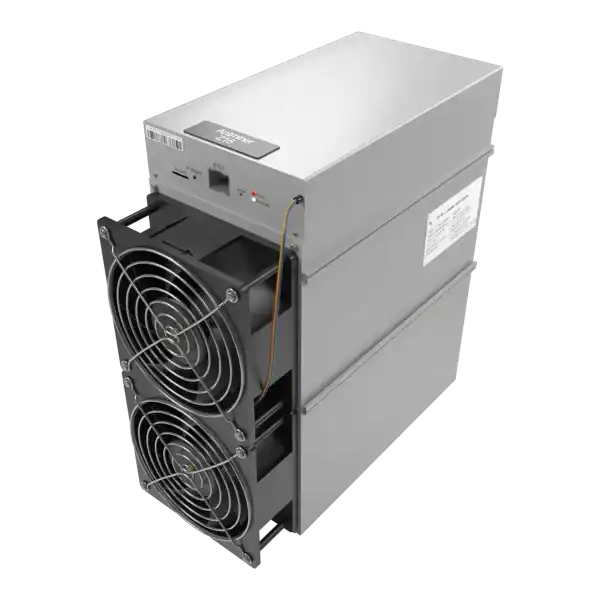
Overall rank#1of 100AvailableAll: #2 / 831

Pre-OrderFree Shipping
Hashrate
525KSOL
Efficiency
4.73W/KSOL
Power
2483W
Earns/kWh
39.8p
Bitcoin Core 0.16 generate guide covering wallet-address block rewards, synchronous block attempts, maxtries, regtest use, maturity and safe testing.
This guide explains Bitcoin Core generate RPC in plain English. It shows what the command does, what its result means and what it cannot prove.
Bitcoin Core generate RPC: The method does not provide Stratum, job distribution, share accounting, ASIC telemetry, payout management or competitive hashrate. Public-network mining requires specialised hardware and software.
A miner is checking Bitcoin Core generate RPC. Validate positive bounded integers, measure execution time and reject a job that could monopolise an RPC worker or test runner indefinitely.
nblocks requests how many blocks to generate and maxtries bounds attempts. The returned array, not the requested count, proves how many blocks were found. Validate positive bounded integers, measure execution time and reject a job that could monopolise an RPC worker or test runner indefinitely.
Rewards go to an address in the targeted wallet, making multiwallet routing material. Confirm the wallet and backup before generating fixtures. Tests should record coinbase outputs and wallet association without assuming an address is recoverable merely because the node created it under an old or experimental wallet state.
Operators test the command on a non-production node first. They check a normal reply, an invalid request, a timeout and a restart. This shows what the response means and prevents one local result from being mistaken for a network-wide outcome.

The RPC works before returning, so large nblocks or maxtries can block automation. Use small batches, timeouts outside the node and progress evidence from returned hashes. Do not issue overlapping generation calls that make expected heights and balances nondeterministic.
New block rewards cannot be spent until consensus maturity. A common regtest pattern generates enough blocks to mature prior rewards, but tests must calculate exact height and reorganisation effects. Verify spendability with the node rather than adding requested block counts to a cached height.
The method does not provide Stratum, job distribution, share accounting, ASIC telemetry, payout management or competitive hashrate. Public-network mining requires specialised hardware and software. Articles and user interfaces should label generate as a historical node RPC and test-chain utility, not a way to mine profitable bitcoin on demand.
Operators test the command on a non-production node first. They check a normal reply, an invalid request, a timeout and a restart. This shows what the response means and prevents one local result from being mistaken for a network-wide outcome.
Bitcoin Core generate RPC: The method does not provide Stratum, job distribution, share accounting, ASIC telemetry, payout management or competitive hashrate.
nblocks requests how many blocks to generate and maxtries bounds attempts. The returned array, not the requested count, proves how many blocks were found.
Rewards go to an address in the targeted wallet, making multiwallet routing material.
The RPC works before returning, so large nblocks or maxtries can block automation.
generate is a useful historical regtest control for advancing a wallet-owned test chain. It is synchronous, maturity-aware and unsuitable as a production mining system, so network and wallet guards are the central safety controls.
Check the current specification status and the documentation for the exact implementation you operate before moving production funds or changing a mining node.
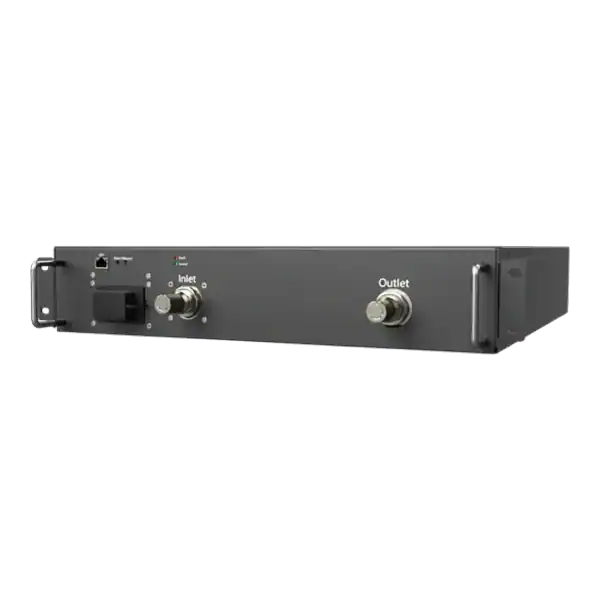
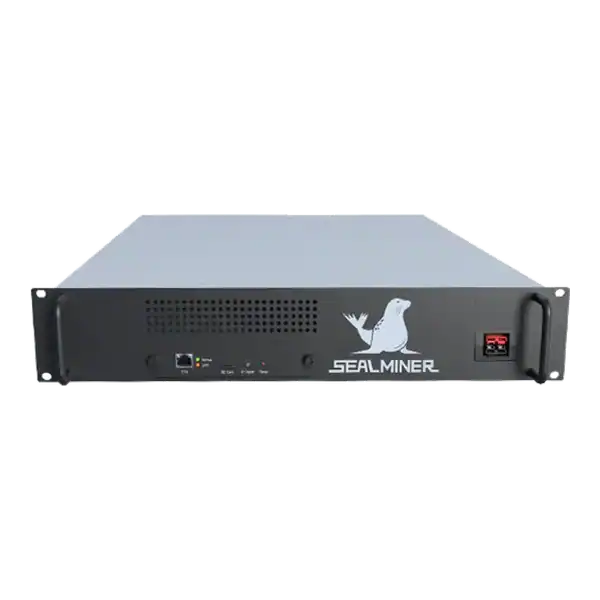

Bitcoin Core 23 restorewallet guide covering backup paths, wallet naming, startup persistence, warnings, rescans, duplicate restores and recovery verification.
Bitcoin Core 0.21 upgradewallet guide covering explicit versions, generated keys, backup rotation, result fields, compatibility testing and rollback planning.
Bitcoin Core 0.19 setwalletflag guide covering avoid_reuse, rescanning, used-address classification, coin selection, warnings, rollback and wallet safety.

Join the ASIC Mining Discussion
Members can read and join the discussion
Log in to read comments from other miners. Create a free account if you would like to ask a question or share your experience.
Membership helps us protect the discussion from spam and keep answers useful.