

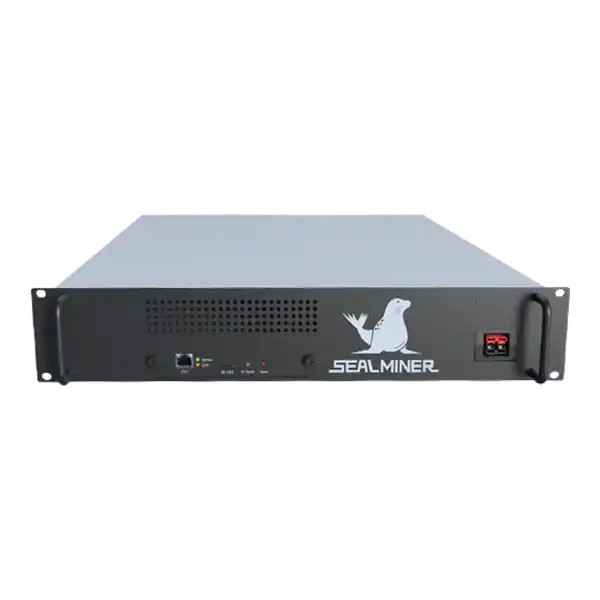
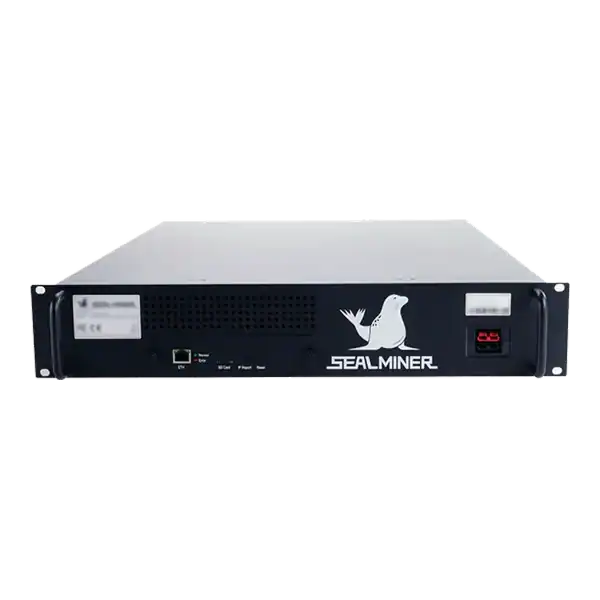
Sealminer A4 Ultra Hydro
Bitcoin & Bitcoin Cash ASIC Miner
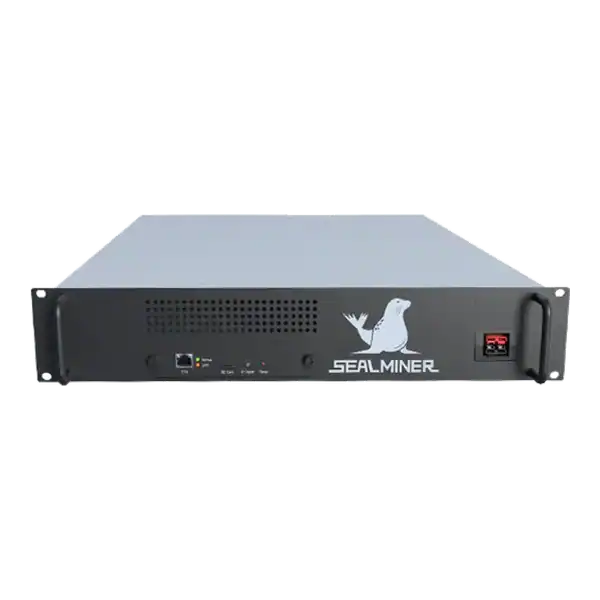

886TH
HASHRATE
9.45W/TH
EFFICIENCY
8373W
POWER
£857.15
EST. MONTHLY
NO PAYBACK
EST. ROI
Bitcoin Core 29.0 guide covering UPnP removal, PCP/NAT-PMP, onion ports, orphan-parent retrieval, ephemeral dust, package policy and platform support.

This guide explains Bitcoin Core 29.0 release in plain English. It summarises the important changes, who they affect and what should be checked before an upgrade.
Bitcoin Core 29.0 release: The node requests missing parents from all peers that announced an orphan. This can improve reliability and increase bandwidth, so monitor peer abuse and traffic.
A node operator is checking Bitcoin Core 29.0 release. Confirm host, libraries and monitoring agents before rollout. Officially tested platforms move to macOS 13 and Windows 10 or newer alongside Linux kernel 3.17+.
Officially tested platforms move to macOS 13 and Windows 10 or newer alongside Linux kernel 3.17+. Confirm host, libraries and monitoring agents before rollout.
UPnP is gone. Natpmp uses built-in PCP or NAT-PMP for IPv4 forwarding and IPv6 pinholing; verify router support and avoid unintended public exposure.
A custom port makes the implicit onion listener use port plus one unless an explicit onion bind is set. Align Tor hidden-service targets.

The node requests missing parents from all peers that announced an orphan. This can improve reliability and increase bandwidth, so monitor peer abuse and traffic.
One dust output is allowed only in a zero-fee transaction whose unconfirmed spend also consumes the dust within a package. Standalone assumptions are unsafe.
A block-reserved-weight bug that effectively reserved twice the intended amount was corrected. Template consumers should recheck expected maximum block weight.
Node operators test the release on a representative non-production system. They check startup, normal operation, failure handling and restart before changing a live node. Connected wallets, monitoring and mining services should also be checked.
Bitcoin Core 29.0 release: The node requests missing parents from all peers that announced an orphan.
Officially tested platforms move to macOS 13 and Windows 10 or newer alongside Linux kernel 3.17+.
UPnP is gone. Natpmp uses built-in PCP or NAT-PMP for IPv4 forwarding and IPv6 pinholing.
A custom port makes the implicit onion listener use port plus one unless an explicit onion bind is set.
Bitcoin Core 29.0 modernises automatic networking and package policy while changing several operator assumptions. Safe adoption proves reachability, bandwidth, package acceptance and platform compatibility on representative infrastructure.
Check the current specification status and the documentation for the exact implementation you operate before moving production funds or changing a mining node.


Bitcoin Core 29.4 guide covering repeated chainstate rewrites, regular compaction, LevelDB seek compaction, transaction-data lifetime and wallet sizing fixes.

Bitcoin Core 31.1 guide covering the private-broadcast IP leak fix, proxy reconnections, chainstate compaction, BDB migration and settings-write safety.

Bitcoin Core 30.3 guide covering excessive chainstate I/O, regular compaction, wallet bump and coin-selection fixes, PSBT, MuSig2 and build maintenance.
Join the ASIC Mining Discussion
Members can read and join the discussion
Log in to read comments from other miners. Create a free account if you would like to ask a question or share your experience.
Membership helps us protect the discussion from spam and keep answers useful.