

Sealminer A4 Ultra Hydro
Bitcoin & Bitcoin Cash ASIC Miner
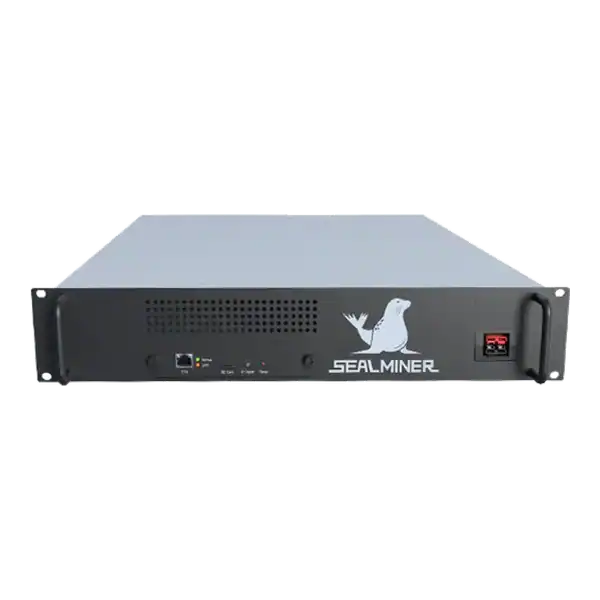

886TH
HASHRATE
9.45W/TH
EFFICIENCY
8373W
POWER
£857.66
EST. MONTHLY
NO PAYBACK
EST. ROI
Bitcoin Core 26.0 guide covering experimental BIP324 transport, assumeUTXO chainstates, RPC and wallet changes, strict settings, Miniscript and rollout checks.
This guide explains Bitcoin Core 26.0 release in plain English. It summarises the important changes, who they affect and what should be checked before an upgrade.
Bitcoin Core 26.0 release: BIP324 v2 transport is experimental and off by default. When enabled it is negotiated per connection while v1 remains supported.
A node operator is checking Bitcoin Core 26.0 release. When enabled it is negotiated per connection while v1 remains supported. Getpeerinfo exposes protocol type and session ID.
BIP324 v2 transport is experimental and off by default. When enabled it is negotiated per connection while v1 remains supported; getpeerinfo exposes protocol type and session ID.
Nodes with several reachable networks try to maintain an outbound connection to each. Monitor actual peers rather than assuming configured reachability equals diversity.
loadtxoutset creates a usable snapshot-backed chainstate while the original chainstate validates in the background. Getchainstates reveals whether snapshot trust has been retired.

hash_serialized_2 was removed, submitpackage remained experimental without package relay, and new RPCs include getprioritisedtransactions, getaddrmaninfo and importmempool.
Some corrupted wallets no longer load, new legacy-wallet creation is gated, descriptor hardened markers use h and wallet RPCs report lastprocessedblock context.
Ignored datadir configuration, invalid logging options and several other ambiguous settings now cause errors. Resolve them rather than weakening diagnostics.
Node operators test the release on a representative non-production system. They check startup, normal operation, failure handling and restart before changing a live node. Connected wallets, monitoring and mining services should also be checked.
Bitcoin Core 26.0 release: BIP324 v2 transport is experimental and off by default. When enabled it is negotiated per connection while v1 remains supported.
BIP324 v2 transport is experimental and off by default. When enabled it is negotiated per connection while v1 remains supported.
Nodes with several reachable networks try to maintain an outbound connection to each.
loadtxoutset creates a usable snapshot-backed chainstate while the original chainstate validates in the background.
Core 26.0 combines transport, synchronisation, wallet and API changes. Safe adoption separates optional experiments from the base upgrade and keeps background validation visible until the snapshot chainstate is fully justified.
Check the current specification status and the documentation for the exact implementation you operate before moving production funds or changing a mining node.



Bitcoin Core 29.4 guide covering repeated chainstate rewrites, regular compaction, LevelDB seek compaction, transaction-data lifetime and wallet sizing fixes.

Bitcoin Core 31.1 guide covering the private-broadcast IP leak fix, proxy reconnections, chainstate compaction, BDB migration and settings-write safety.

Bitcoin Core 30.3 guide covering excessive chainstate I/O, regular compaction, wallet bump and coin-selection fixes, PSBT, MuSig2 and build maintenance.
Join the ASIC Mining Discussion
Members can read and join the discussion
Log in to read comments from other miners. Create a free account if you would like to ask a question or share your experience.
Membership helps us protect the discussion from spam and keep answers useful.