

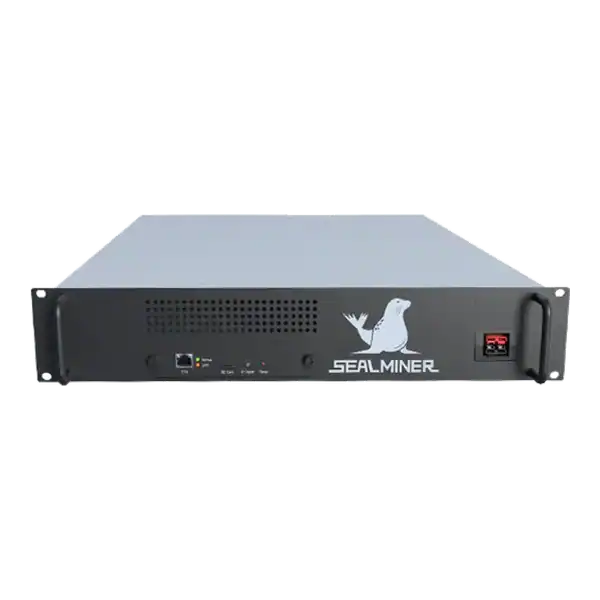
Sealminer A4 Ultra Hydro
Bitcoin & Bitcoin Cash ASIC Miner

886TH
HASHRATE
9.45W/TH
EFFICIENCY
8373W
POWER
£916.50
EST. MONTHLY
NO PAYBACK
EST. ROI
Bitcoin Core 23.0 guide covering descriptor-wallet defaults, CJDNS, RBF-aware fee estimates, rescan removal, deploymentinfo, banlist migration and persistent locks.
This guide explains Bitcoin Core 23.0 release in plain English. It summarises the important changes, who they affect and what should be checked before an upgrade.
Bitcoin Core 23.0 release: Inbound peers must participate in address exchange before receiving gossip, the preference for port 8333 was removed and full CJDNS support arrived behind explicit reachability configuration.
A node operator is checking Bitcoin Core 23.0 release. Inventory hosts and client libraries before replacing a fleet-wide binary. Official binaries supported macOS 10.15 and later alongside Linux and Windows.
Official binaries supported macOS 10.15 and later alongside Linux and Windows. Inventory hosts and client libraries before replacing a fleet-wide binary.
Inbound peers must participate in address exchange before receiving gossip, the preference for port 8333 was removed and full CJDNS support arrived behind explicit reachability configuration.
New wallets are descriptor wallets unless explicitly disabled and include a tr() receive descriptor. Legacy importmulti and dumpprivkey workflows do not work with descriptor wallets.

Fee estimation incorporates RBF replacements. The -rescan startup option was removed; use rescanblockchain for deliberate historical scanning and monitor progress and completion.
getdeploymentinfo became the soft-fork status interface, getblock verbosity three added prevouts and several deprecated address and fee fields changed or disappeared with important unit differences.
banlist.json superseded banlist.dat with a 22.x migration bridge. Lockunspent gained persistent locks, and GUI locks survive restart, changing maintenance expectations.
Node operators test the release on a representative non-production system. They check startup, normal operation, failure handling and restart before changing a live node. Connected wallets, monitoring and mining services should also be checked.
Bitcoin Core 23.0 release: Inbound peers must participate in address exchange before receiving gossip, the preference for port 8333 was removed and full CJDNS support arrived behind explicit reachability configuration.
Official binaries supported macOS 10.15 and later alongside Linux and Windows.
Inbound peers must participate in address exchange before receiving gossip, the preference for port 8333 was removed and full CJDNS support arrived behind explicit reachability configuration.
New wallets are descriptor wallets unless explicitly disabled and include a tr() receive descriptor.
Core 23.0 changed defaults and persistence as well as features. Operators should explicitly choose wallet type, migrate operational state, update RPC consumers and verify network and wallet behaviour before declaring the upgrade complete.
Check the current specification status and the documentation for the exact implementation you operate before moving production funds or changing a mining node.


Bitcoin Core 29.4 guide covering repeated chainstate rewrites, regular compaction, LevelDB seek compaction, transaction-data lifetime and wallet sizing fixes.

Bitcoin Core 31.1 guide covering the private-broadcast IP leak fix, proxy reconnections, chainstate compaction, BDB migration and settings-write safety.

Bitcoin Core 30.3 guide covering excessive chainstate I/O, regular compaction, wallet bump and coin-selection fixes, PSBT, MuSig2 and build maintenance.
Join the ASIC Mining Discussion
Members can read and join the discussion
Log in to read comments from other miners. Create a free account if you would like to ask a question or share your experience.
Membership helps us protect the discussion from spam and keep answers useful.