

Sealminer A4 Ultra Hydro
Bitcoin & Bitcoin Cash ASIC Miner
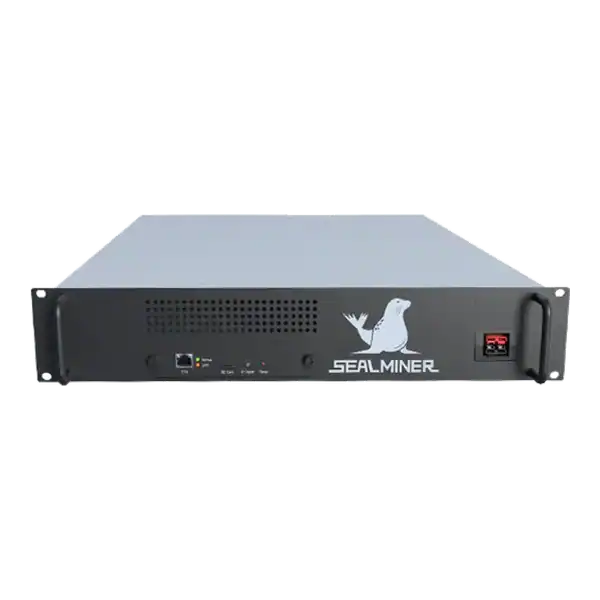

886TH
HASHRATE
9.45W/TH
EFFICIENCY
8373W
POWER
£925.82
EST. MONTHLY
NO PAYBACK
EST. ROI
Mining hashrate explained: Hashrate measures hashing attempts per second for a specific algorithm. Check current pool and network details.
Mining hashrate explained simply is the rate at which hardware performs candidate hashing work. For Bitcoin ASICs it is commonly stated in terahashes per second, where 1 TH/s is one trillion hashes each second. Nameplate, dashboard and pool hashrate are not identical measurements.
A fair check uses the exact algorithm, a sustained observation period, accepted shares, rejects, uptime, power and manufacturer tolerance rather than one attractive dashboard number.
Mining hashrate explained: Bitcoin's developer guide explains that a pool gives mining hardware a share target that is easier than the network block target.
A node operator wants to understand mining hashrate explained. A high hashrate is valuable only when the miner can deliver it efficiently, safely and consistently to the intended pool.
One hash per second is written H/s. The prefixes follow decimal powers. One kH/s is 1,000 H/s, one MH/s is one million and one GH/s is one billion. One TH/s is one trillion, while one PH/s is one quadrillion hashes each second.
A 120 TH/s SHA-256 miner attempts about 120 trillion candidate hashes each second under its operating conditions. This does not mean it finds 120 trillion Bitcoin blocks or receives a fixed number of coins.
| Unit | Hashes per second | Typical context |
|---|---|---|
| kH/s | 1,000 | Low-rate or older algorithms |
| MH/s | 1,000,000 | GPU and some specialist algorithms |
| GH/s | 1,000,000,000 | Small SHA-256 devices and other ASICs |
| TH/s | 1,000,000,000,000 | Industrial Bitcoin ASICs |
| PH/s | 1,000,000,000,000,000 | Farms, pools and network comparisons |

A hash is produced under a particular algorithm. One TH/s of SHA-256 is not economically or computationally equivalent to one TH/s of Scrypt, Blake2B or another algorithm. Their operations, network difficulty, rewards and hardware differ.
Compare hashrate only among devices doing compatible work on the same network or algorithm. For cross-algorithm buying, compare net revenue, electricity, efficiency, hardware cost and risk instead of the raw number.
Coin lists also need checking. An ASIC can only perform the algorithm implemented in its silicon and supported by firmware and pool protocol. A profitable coin on another algorithm is not an alternative workload.
Nominal hashrate is the model rating under specified conditions and tolerance. Local or real-time hashrate is estimated by the miner from chip work. Pool hashrate is inferred from valid shares received over an interval.
These values answer different questions. The local figure helps diagnose boards and chips. At the same time, the pool figure shows credited work reaching the destination. A device can display normal local hashrate while rejects, packet loss, wrong credentials or pool failure reduce accepted work.
| Reading | Source | Best use | Main limitation |
|---|---|---|---|
| Nameplate | Manufacturer | Model and capacity planning | Tolerance and test conditions apply |
| Real-time | Miner dashboard | Immediate fault indication | Noisy and locally estimated |
| Average local | Miner dashboard | Board and chip stability | Does not prove pool acceptance |
| Pool effective | Accepted shares | Paid-work comparison | Varies over short periods |
Bitcoin’s developer guide explains that a pool gives mining hardware a share target that is easier than the network block target. A returned share proves a portion of work. Occasionally a share also meets the network target and can form a valid block.
The pool estimates effective hashrate from share difficulty, count and time. Because hashes are random attempts, shares do not arrive at perfectly even intervals. A five-minute estimate can therefore sit well above or below the long-run rate without a fault.
Pools use different reward systems, fees and rejected-share rules. Hashrate displayed by two pools is not automatically calculated over the same window. So compare accepted earnings and documented methods as well.
Use the real-time display to spot a stopped board, not to value the machine. Review a one-hour average after warm-up for initial stability, at least 24 hours for a useful pool comparison and several days when share variance is large.
Align the periods. Comparing the miner’s last ten minutes with the pool’s last 24 hours can create a false shortfall. Note the start and end time, time zone, outages, configuration changes and pool resets.
A small Bitaxe or other low-hashrate device can require much longer for the pool estimate to settle because valid shares arrive less frequently. The correct window depends on share difficulty and rate.
Add rated hashrate only for an equipment capacity total. For operating hashrate, sum accepted pool averages over the same period. Do not count offline stock, warm spares or a miner connected to another account.
Ten 120 TH/s miners provide 1,200 TH/s, equal to 1.2 PH/s of rated capacity. At 98 per cent productive uptime, an initial expected effective capacity is about 1.176 PH/s before rejects and pool variance.
If the pool reports 1.13 PH/s across the same long period, investigate the about 3.9 per cent gap from the uptime-adjusted expectation. Check rejects, restarts, thermal throttling, missing boards and network events before blaming the pool.
Bitcoin Core targets a ten-minute block interval and adjusts difficulty over 2,016-block periods. A fixed miner represents a changing fraction of network work as other hashrate joins or leaves.
Doubling a miner’s hashrate about doubles its expected share under unchanged network and pool conditions. It does not double a guaranteed daily payout because blocks, fees, difficulty, pool method and variance change.
Solo mining exposes the operator directly to block-finding variance. Pool mining exchanges some of that variance for a documented reward method and counterparty relationship.
Hashrate describes work rate. At the same time, joules per terahash describes energy used for that rate. A 120 TH/s miner drawing 3,300 W operates nominally at 27.5 J/TH because 3,300 divided by 120 equals 27.5.
A 200 TH/s miner can earn more gross revenue yet produce less net profit if it consumes disproportionately more electricity. Compare the measured wall power, accepted hashrate and electricity price.
Use watts per accepted TH/s for a field check. If the 120 TH/s example averages only 112 accepted TH/s while drawing 3,300 W, observed efficiency is about 29.5 W per accepted TH/s before site overhead.
One hash per second is written H/s. The prefixes follow decimal powers. One kH/s is 1,000 H/s, one MH/s is one million and one GH/s is one billion. One TH/s is one trillion, while one PH/s is one quadrillion hashes each second.
A hash is produced under a particular algorithm. One TH/s of SHA-256 is not economically or computationally equivalent to one TH/s of Scrypt, Blake2B or another algorithm.
Use the real-time display to spot a stopped board, not to value the machine. Review a one-hour average after warm-up for initial stability, at least 24 hours for a useful pool comparison and several days when share variance is large.
Bitcoin Core targets a ten-minute block interval and adjusts difficulty over 2,016-block periods. A fixed miner represents a changing fraction of network work as other hashrate joins or leaves.
Hashrate describes work rate. At the same time, joules per terahash describes energy used for that rate.
Mining hashrate is a work-rate measurement, not an earnings guarantee. Keep algorithms separate, distinguish manufacturer, local and pool readings, align the time windows and use accepted shares to judge delivered work. Then add uptime and wall power so the number becomes an operating measure. A high hashrate is valuable only when the miner can deliver it efficiently, safely and consistently to the intended pool.
Use The Mining Shop UK’s profitability tools to compare hashrate, efficiency and live revenue on the same basis. Send the team your exact model and logs if the pool result remains outside a reasonable tolerance.
Hashrate measures hashing attempts per second for a specific algorithm. It cannot be compared directly between different algorithms. The miner estimates hashrate locally. The pool estimates effective work from submitted shares. Short pool readings naturally vary.
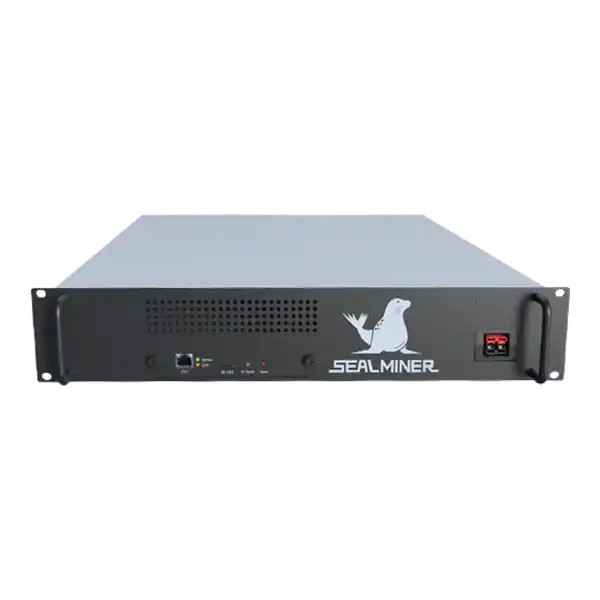

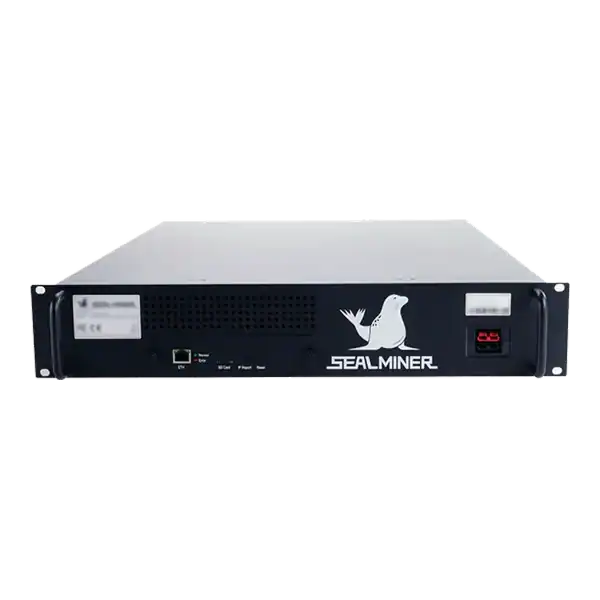
Community built mini ASIC review: review a community-built mini ASIC through open design files, component provenance, firmware, board safety, reproducible.

NerdMiner V2 vs NerdNOS: compare NerdMiner V2 and NerdNOS by computing hardware, hashrate class, software provenance, power, cooling, pool support, learning.
NerdMiner alternatives: Choose an architecture first: ESP32 display, single-chip open ASIC, controller-dependent USB miner or compact home appliance.
Join the ASIC Mining Discussion
Members can read and join the discussion
Log in to read comments from other miners. Create a free account if you would like to ask a question or share your experience.
Membership helps us protect the discussion from spam and keep answers useful.