

Sealminer A4 Ultra Hydro
Bitcoin & Bitcoin Cash ASIC Miner
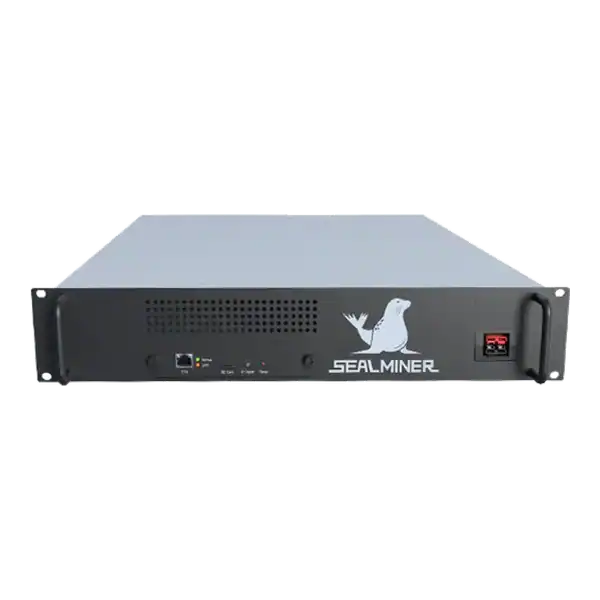

886TH
HASHRATE
9.45W/TH
EFFICIENCY
8373W
POWER
£884.60
EST. MONTHLY
NO PAYBACK
EST. ROI
BIP 53 guide to the Draft soft-fork proposal, witness-stripped 64-byte transactions, Merkle ambiguity, SPV risk, compatibility and activation testing.
This guide explains BIP 53 Disallow 64-byte transactions in plain English. It covers the problem behind the BIP, why it matters and whether the proposal is part of Bitcoin today.
BIP 53 Disallow 64-byte transactions: A 64-byte transaction serialization can resemble two 32-byte hashes used as a Merkle node, complicating the distinction between a leaf transaction and internal tree data.
A node operator is checking BIP 53 Disallow 64-byte transactions. The proposed validation change rejects a transaction serialized to exactly 64 bytes after excluding witness data.
BIP 53 is Draft, Specification, at the consensus soft-fork layer. It is not a currently enforceable mainnet transaction rule unless separately activated.
The proposed validation change rejects a transaction serialized to exactly 64 bytes after excluding witness data. It does not set a broad minimum transaction size.
A 64-byte transaction serialization can resemble two 32-byte hashes used as a Merkle node, complicating the distinction between a leaf transaction and internal tree data.

The BIP analyses invalid- and valid-transaction block malleability cases arising from Bitcoin’s duplicate-last-node and mutation handling.
A crafted 64-byte transaction can weaken assumptions behind an SPV inclusion proof with substantially less work than finding a SHA256 collision.
Bitcoin Core relay and RPC mitigations have existed since 2018. A miner can choose different policy, so only activated consensus would make rejection universal.
Developers test the proposal with made-up data on an isolated test network. They check normal cases and deliberately invalid cases. Different implementations should reach the same result before anyone relies on the proposal.
BIP 53 Disallow 64-byte transactions: A 64-byte transaction serialization can resemble two 32-byte hashes used as a Merkle node, complicating the distinction between a leaf transaction and internal tree data.
BIP 53 is Draft, Specification, at the consensus soft-fork layer. It is not a currently enforceable mainnet transaction rule unless separately activated.
The proposed validation change rejects a transaction serialized to exactly 64 bytes after excluding witness data.
A 64-byte transaction serialization can resemble two 32-byte hashes used as a Merkle node, complicating the distinction between a leaf transaction and internal tree data.
BIP 53 proposes a narrow rule to remove a structural Merkle ambiguity. Its simplicity does not remove deployment risk: implementations must count the exact serialization and distinguish local relay policy from activated consensus.
Check the current specification status and the documentation for the exact implementation you operate before moving production funds or changing a mining node.

BIP 441 guide to the Draft tapleaf 0xC2 script-restoration proposal, varops, stack limits, unsigned arithmetic, restored opcodes and safety testing.
BIP 440 guide to the Draft transaction-wide variable-operation budget, weight scaling, opcode cost classes, benchmarks, validation and soft-fork status.
BIP 361 guide to the Draft informational post-quantum migration and legacy-signature sunset proposal, phases, prerequisites, risks and readiness planning.
Join the ASIC Mining Discussion
Members can read and join the discussion
Log in to read comments from other miners. Create a free account if you would like to ask a question or share your experience.
Membership helps us protect the discussion from spam and keep answers useful.