

Sealminer A4 Ultra Hydro
Bitcoin & Bitcoin Cash ASIC Miner
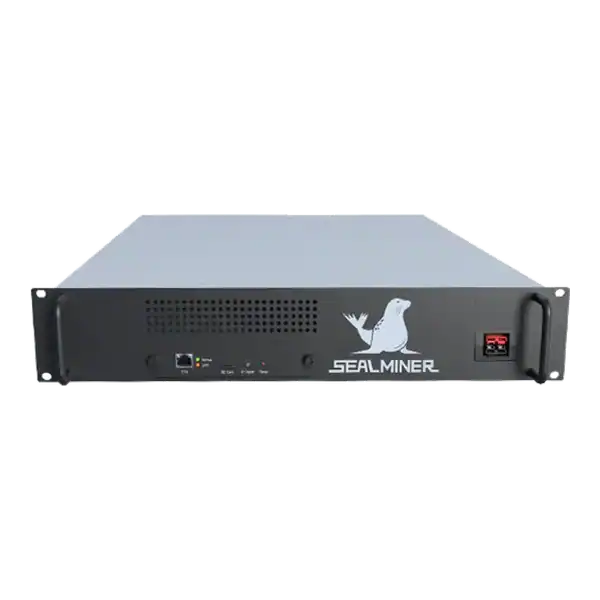

886TH
HASHRATE
9.45W/TH
EFFICIENCY
8373W
POWER
£898.19
EST. MONTHLY
NO PAYBACK
EST. ROI
Algorithm-Locked ASIC Risks made simple. Compare performance, power, cooling, noise and practical risks before choosing or operating mining hardware.
Algorithm-locked ASIC risks arise because specialist silicon can deliver excellent efficiency on a narrow proof-of-work calculation but has little alternative use if that market weakens. Before buying, assess compatible networks, reward value, difficulty response, pool concentration, firmware support, manufacturer dependency, repair supply and resale depth. The lower the number of credible routes, the larger the margin of safety the purchase needs.
Algorithm-locked ASIC risks are manageable only when the buyer prices concentration honestly. Verify the real compatible routes, remove the largest one in a downside case and test parts, firmware, pool and resale dependencies.
A miner is checking algorithm-locked ASIC risks. But it cannot create an alternative use after the supported economics disappear. Firmware can alter controls and supported protocols but cannot turn fixed SHA-256 silicon into competitive Scrypt or kHeavyHash hardware.
An ASIC removes general-purpose flexibility to perform one calculation efficiently. That efficiency is its commercial strength while the supported network pays enough for the work.
The same design usually cannot move to an unrelated algorithm. Firmware can alter controls and supported protocols but cannot turn fixed SHA-256 silicon into competitive Scrypt or kHeavyHash hardware.
Count compatible networks based on current consensus and pool support, not coin names copied from a marketplace. Several small coins with the same algorithm may still depend on one pool or exchange route.
A bitcoin payout from a marketplace does not diversify the algorithm. It changes the buyer of the existing work.

Calculate the share of expected revenue attributable to the largest network. Set that route to zero and recalculate whether another compatible network covers variable cost.
Review subsidy schedule, fee income, difficulty adjustment, emission policy and possible algorithm changes from primary sources. A governance discussion is not an enacted rule. But it belongs on the monitoring list.
Small-network earnings can fall when a large quantity of new ASIC hashrate arrives. A current calculator may not reflect the difficulty response or market depth after deployment.
Do not assume price rises to compensate for increased difficulty. Treat price and network work as independent scenario variables.
Review the network’s actual adjustment cadence and recent hashrate range. A slowly adjusting network can show a temporary spike or collapse that disappears after the next adjustment. At the same time, a faster response can change the economics before hardware delivery.
List independent pools, their hashrate, reward method, fees, payout thresholds, KYC and regions. Multiple brands using one backend offer less resilience than they appear to.
For marketplace sale, check current buyer demand, order limits, compatible difficulty and inactive periods. A temporary premium is not guaranteed capacity.
Assess where the mined or paid asset can be held or sold lawfully, securely and at useful depth. A high quoted price on a shallow venue can be difficult to realise without moving the market.
Set counterparty and balance limits. Concentrated algorithm risk should not be compounded by leaving all accrued rewards with one service.
Test withdrawals before balances become material. Record minimums, confirmation requirements and network fees, because an apparently profitable route can leave receipts trapped below a practical payout or sale threshold.
| Dependency | Evidence | Downside case |
|---|---|---|
| Manufacturer | Support and warranty record | Support ends or entity fails |
| Firmware | Signed or verified releases | Unpatched controller or protocol |
| Parts | PSU, board, fan or pump supply | Long repair delay |
| Pool | Independent supported endpoints | Largest pool unavailable |
| Network | Reward and difficulty rules | Revenue route shrinks |
| Resale | Completed sales and buyer depth | Hardware becomes stranded |
A niche model can have few repair specialists and no donor boards. Price expected downtime and shipping rather than assuming every component will remain available.
Third-party firmware can extend features but also introduce developer fees, security and warranty risks. Require a stock recovery path.
Use measured watts and accepted hashrate, then test lower reward, higher difficulty, reduced uptime and higher energy together. Add pool, hosting, cooling, repair and conversion fees.
Reduce resale value sharply in the downside case. When an algorithm becomes unattractive, many owners may sell simultaneously and the next buyer faces the same limited route.
Model fixed energy or hosting obligations after curtailment. A machine that can be switched off may still owe contracted cost.
Compare the algorithm-locked purchase with a more liquid SHA-256 or other established route, but do not assume the larger market is automatically profitable.
The ASIC has strong accepted efficiency, several credible routes or a robust primary route, safe site fit, available support and a purchase price that survives the downside case.
The buyer also has enough reserve to tolerate difficulty, repair and resale shocks without relying on immediate mining income.
The purchase depends on one small pool, one exchange, an unverified future fork or a revenue figure that assumes current difficulty remains fixed after new hardware ships.
A low machine price is not protection when energy, freight and disposal exceed useful receipts.
Algorithm-locked ASIC risks are manageable only when the buyer prices concentration honestly. Verify the real compatible routes, remove the largest one in a downside case and test parts, firmware, pool and resale dependencies.
An ASIC removes general-purpose flexibility to perform one calculation efficiently. That efficiency is its commercial strength while the supported network pays enough for the work.
Calculate the share of expected revenue attributable to the largest network. Set that route to zero and recalculate whether another compatible network covers variable cost.
List independent pools, their hashrate, reward method, fees, payout thresholds, KYC and regions.
Algorithm-locked ASIC risks are manageable only when the buyer prices concentration honestly. Verify the real compatible routes, remove the largest one in a downside case and test parts, firmware, pool and resale dependencies. Strong efficiency can justify specialist hardware. But it cannot create an alternative use after the supported economics disappear.
Compare current algorithm-specific miners using The Mining Shop UK profitability data and your own stranded-hardware scenario.
List every genuinely compatible active network and pool, then repeat the model with the largest revenue route removed. Treat efficiency as protection but not immunity. Difficulty, reward, liquidity, firmware and pool access can make working hardware uneconomic.
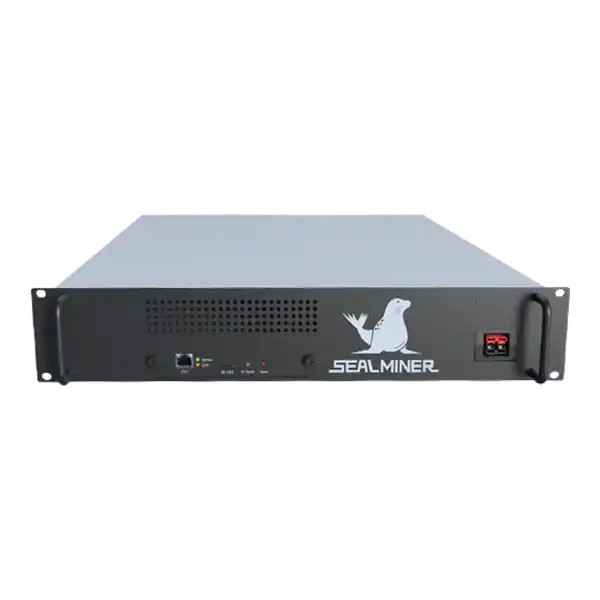

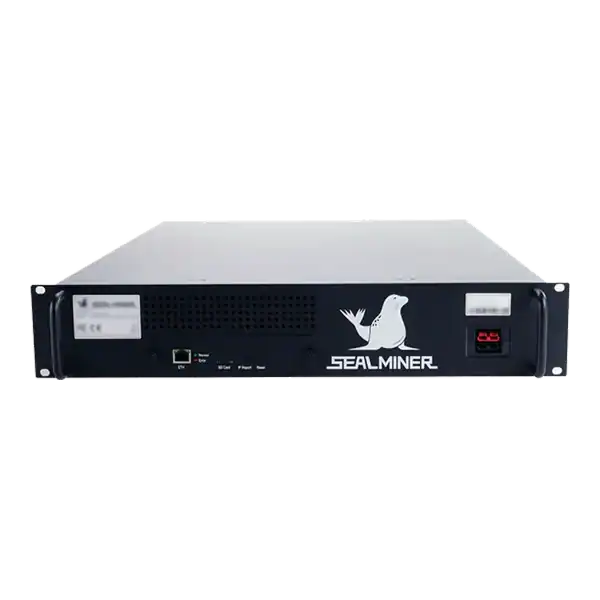
Bitcoin ASIC Compatibility made simple. Compare performance, power, cooling, noise and practical risks before choosing or operating mining hardware.
Practical guide to SEALMINER A4 review, covering efficiency and wall power. Compare costs, measured performance and site fit before buying hardware.

Unproven home ASIC launch review: assess an unproven home ASIC launch through manufacturer identity, samples, specifications, certification, firmware, delivery.
Join the ASIC Mining Discussion
Members can read and join the discussion
Log in to read comments from other miners. Create a free account if you would like to ask a question or share your experience.
Membership helps us protect the discussion from spam and keep answers useful.