

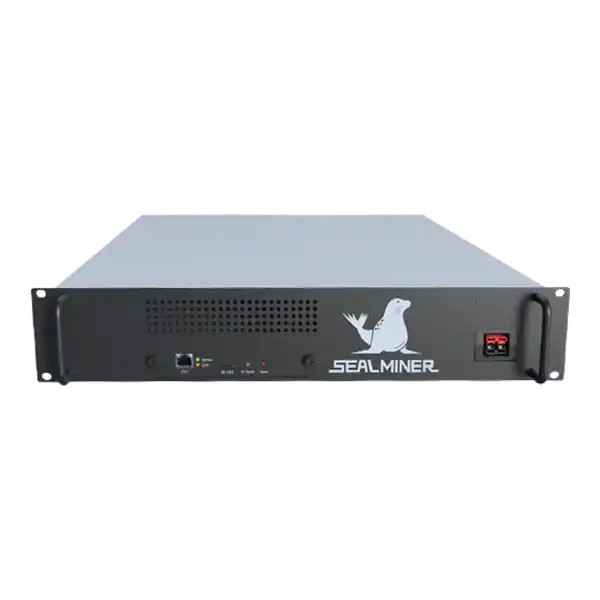
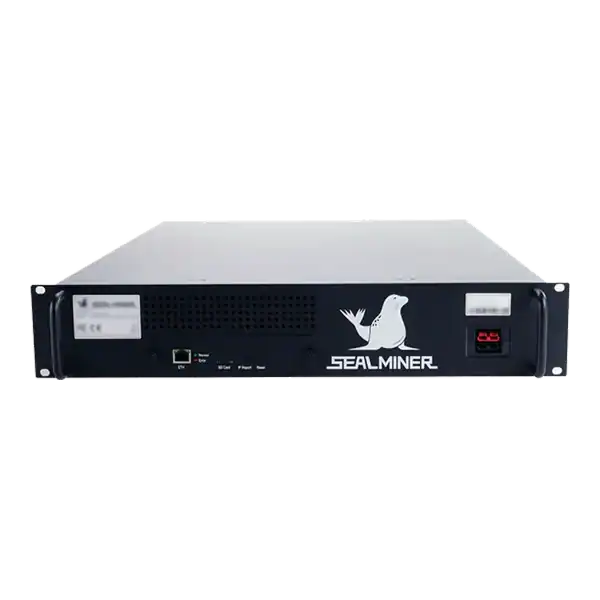
Sealminer A4 Ultra Hydro
Bitcoin & Bitcoin Cash ASIC Miner
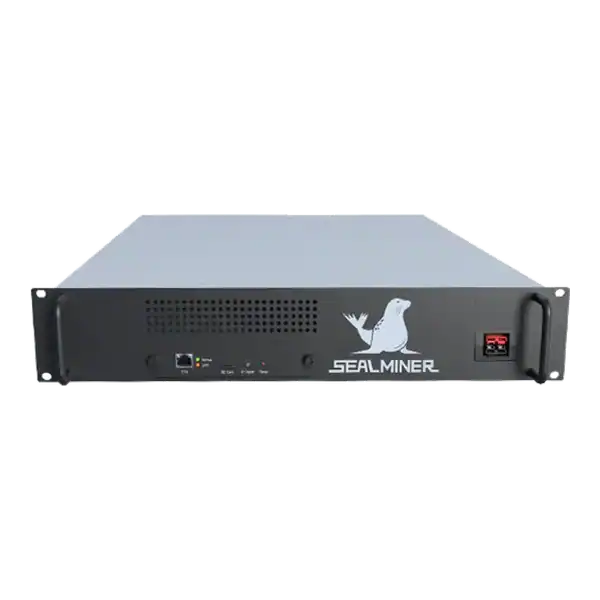

886TH
HASHRATE
9.45W/TH
EFFICIENCY
8373W
POWER
£903.43
EST. MONTHLY
NO PAYBACK
EST. ROI
BIP 443 guide to Draft OP_CCV state-carrying UTXOs, Taproot data commitments, output constraints, amounts, fee handling, use cases and activation.
This guide explains BIP 443 OP_CHECKCONTRACTVERIFY in plain English. It covers the problem behind the BIP, why it matters and whether the proposal is part of Bitcoin today.
BIP 443 OP_CHECKCONTRACTVERIFY: Covenant designs must leave a safe way to pay fees and preserve intended value. Model amount arithmetic, fee sponsorship and dust under adversarial feerates.
A node operator is checking BIP 443 OP_CHECKCONTRACTVERIFY. A naked x-only public key is tweaked by a hash of the 32-byte data commitment to form the Taproot internal key, embedding state without enlarging the output.
BIP 443 is Draft, Specification, at the consensus soft-fork layer. Demonstrations and test networks must never be described as deployed Bitcoin rules.
A naked x-only public key is tweaked by a hash of the 32-byte data commitment to form the Taproot internal key, embedding state without enlarging the output.
The key path remains available to a holder of the naked private key who knows the committed data hash. Script leaves that need the state pay the witness cost to expose it.

OP_CCV can constrain an output’s internal key, taptree and committed data, supporting recursive or non-recursive state-transition patterns.
Covenant designs must leave a safe way to pay fees and preserve intended value. Model amount arithmetic, fee sponsorship and dust under adversarial feerates.
The BIP discusses shared UTXO schemes, vaults, template-like restrictions, sidechains and rollups as possible constructions, not delivered products or guarantees.
Developers test the proposal with made-up data on an isolated test network. They check normal cases and deliberately invalid cases. Different implementations should reach the same result before anyone relies on the proposal.
BIP 443 OP_CHECKCONTRACTVERIFY: Covenant designs must leave a safe way to pay fees and preserve intended value.
BIP 443 is Draft, Specification, at the consensus soft-fork layer. Demonstrations and test networks must never be described as deployed Bitcoin rules.
A naked x-only public key is tweaked by a hash of the 32-byte data commitment to form the Taproot internal key, embedding state without enlarging the output.
The key path remains available to a holder of the naked private key who knows the committed data hash.
OP_CHECKCONTRACTVERIFY proposes a general state-carrying UTXO primitive rather than one finished covenant product. Evaluation should remain version-pinned, adversarially tested and explicit about key paths, amounts and activation.
Check the current specification status and the documentation for the exact implementation you operate before moving production funds or changing a mining node.

BIP 441 guide to the Draft tapleaf 0xC2 script-restoration proposal, varops, stack limits, unsigned arithmetic, restored opcodes and safety testing.
BIP 440 guide to the Draft transaction-wide variable-operation budget, weight scaling, opcode cost classes, benchmarks, validation and soft-fork status.
BIP 361 guide to the Draft informational post-quantum migration and legacy-signature sunset proposal, phases, prerequisites, risks and readiness planning.
Join the ASIC Mining Discussion
Members can read and join the discussion
Log in to read comments from other miners. Create a free account if you would like to ask a question or share your experience.
Membership helps us protect the discussion from spam and keep answers useful.