Minotari mining secures the Tari base layer through several proof-of-work routes. The launch design split rewards between RandomX merged mining with Monero and SHA3x, and a May 2025 hard fork added a separate RandomX solo lane.
This is a case where old instructions can become wrong quickly. A beginner must identify the current network version, algorithm lane and pool before comparing hashrate or reward figures.
Estimated reading time: 7 minutes
TL;DR
Tari mainnet launched on 6 May 2025 and its mining split changed later that month.
Current official material describes RandomX merged mining, RandomX solo mining and SHA3x routes.
Store the lane, software version and reward split with every result because the design can evolve.
What This Means in Simple English
Minotari lets different mining routes help protect one chain. Some RandomX work can be linked with Monero, some RandomX work targets Tari alone and SHA3x provides another route. The network divides rewards among those lanes under its current rules.
Simple Example
Imagine three entrances to the same stadium. One entrance shares a walkway with a neighbouring stadium, while two have their own paths. Every visitor must use the correct ticket gate, and the share entering each gate can change after a planned rule update.
Key Terms in Plain English
Minotari:
The native base-layer asset of the Tari network, commonly shown as XTM.
RandomX:
A memory-hard proof-of-work algorithm designed for general processors.
SHA3x:
Tari's separate triple-SHA3 mining algorithm route.
Merged mining:
Using compatible work to help secure two networks.
Hard fork:
A coordinated rule change that requires current network software.
What Launched in May 2025
The Tari Universe changelog records mainnet going live on 6 May 2025. The base layer uses proof of work and issues Minotari rewards. Launch documentation initially described an equal split between RandomX merged mining and SHA3x.
On 26 May, an official hard fork changed the allocation to roughly thirds: RandomX merged with Monero, RandomX solo for Tari and SHA3x. This is why a dated guide must state its version basis.
RandomX Merged Mining
Merged mining lets compatible RandomX work contribute to Monero and Tari when supported software and pools construct the correct auxiliary data. It does not combine the coins or guarantee that every Monero pool pays Minotari.
Check explicit Tari support, the pool's reward display and a Minotari address. Keep Monero and XTM income as separate lines so extra revenue is measured rather than assumed.
RandomX Solo Tari Mining
The added solo RandomX lane directs CPU work at Tari without relying on a Monero parent job. It may offer a different pool and variance profile from merged mining even though the processor workload belongs to the same broad family.
Never compare a console number from one lane against difficulty or reward data from another. Label every benchmark as merged RandomX, solo RandomX or SHA3x.
Quick reference for Minotari mining decisions.
SHA3x and Hardware Choice
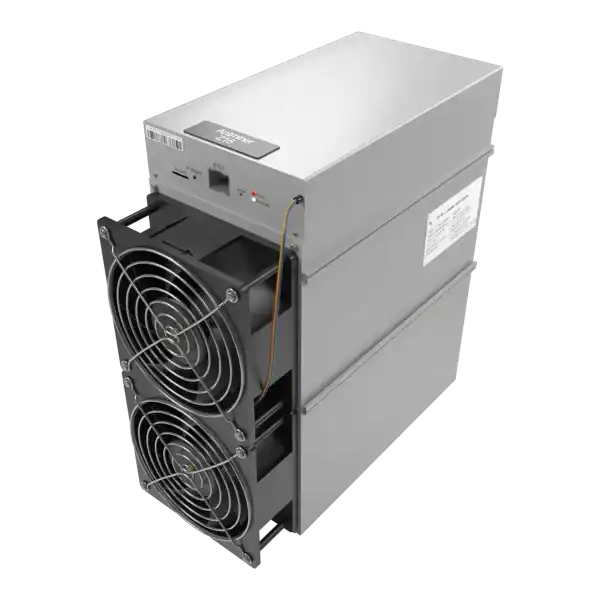
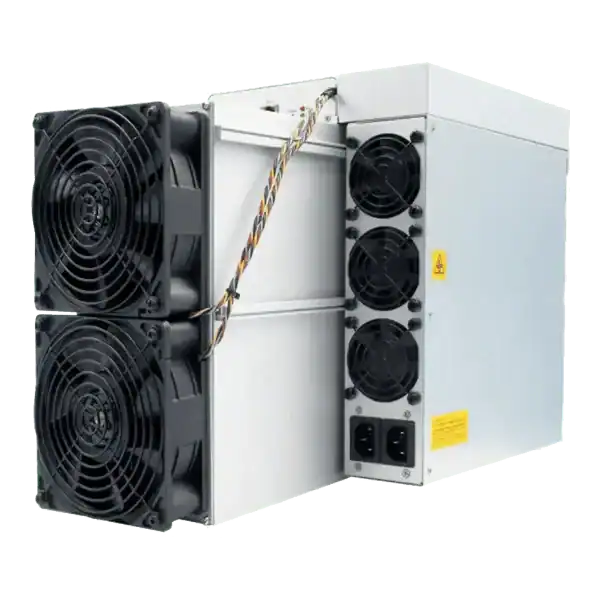
SHA3x is a separate algorithm route. Current software and available hardware decide its useful performance. Do not buy from a seller who quotes only a generic SHA3 number without showing Tari pool-side accepted work.
Start with supported equipment already available. Measure full-system power, accepted work, temperature and stability. A headline hashrate has no business value without the algorithm name and wall efficiency.
Reward Split and Emission
Tari publishes tokenomics and emission information, but reward shares and mining routes can change through network upgrades. Confirm the current block explorer and official release notes before modelling revenue.
A percentage of network rewards is not your percentage. Your payment depends on your effective share within the chosen lane, the pool formula, block production and fees.
Software, Wallet and Pool Checks
Use official Tari repositories and current Tari Universe or node guidance. Record the release, network and address. New ecosystems attract fake installers, so never enter a valuable recovery phrase into a mining download.
Check pool blocks, fee, minimum payout, regional latency and the exact algorithms offered. Complete a small XTM withdrawal and test the wallet backup before increasing hardware exposure.
Build a Reliable Trial
Run one lane at standard settings for several days. Capture wall power, accepted work, reject rate and actual XTM credited. Change only one variable at a time and keep a dated log of protocol updates.
Calculate a low-price and higher-competition case. Stop if a fork deadline is missed, the pool becomes inactive or the wallet cannot be restored. A new network deserves a cautious learning budget, not borrowed money.
What the Current Data Can and Cannot Tell You
The supplied snapshot needs more than one algorithm label for Minotari. Current official materials describe multiple lanes and the allocation changed shortly after launch.
A 2026 explorer may show additional algorithm information beyond the launch guide. Present current explorer data with its observation date and do not silently rewrite the historical launch state.
New-asset market history is short. Use realised payouts and executable prices, and keep an allowance for changing software, competition and exchange support.
Tari Universe can simplify setup, but it does not remove the need to identify which mining route produced a reward. Save the application version, pool name and lane with each benchmark so later software updates do not make results impossible to compare.
Merged-mining income should be reconciled against the parent pool statement and the Tari wallet separately. If the pool converts one asset or holds a minimum balance, record that fact. It changes cash timing even when the underlying work was accepted.
Before an upgrade, save the wallet backup and note the expected fork height or release requirement. After upgrading, confirm the chain height and one accepted share. That catches a node left on an obsolete rule set.
Decision Table
Lane
What to verify
RandomX merged
Monero parent pool explicitly credits Tari
RandomX solo
Tari-specific job, difficulty and payout
SHA3x
Current compatible miner and accepted pool speed
All lanes
Current reward split, wall power and wallet receipt
A table is a starting point, not a promise. Verify every live input before spending money on Minotari mining hardware, software or hosting.
Frequently Asked Questions
When Did Tari Mainnet Launch?
The official Tari Universe changelog records 6 May 2025.
Can Monero Mining Also Earn Minotari?
It can through a pool and software that explicitly support Tari merged mining.
Is RandomX Solo the Same as Merged Mining?
No. Both use RandomX, but the job route and reward accounting differ.
Does Minotari Only Use SHA3x?
No. Official material also describes two RandomX routes after the May 2025 hard fork.
Why Must a Minotari Guide Be Dated?
The reward allocation and supported routes have already changed, so current releases and rules matter.
Conclusion: Minotari Mining
Minotari mining deserves a measured trial, not a promise of easy money. Confirm the live network rules, use compatible hardware and official software, protect the wallet, and calculate profit from accepted work and wall power. Keep dated records because rewards, difficulty, prices and pool terms change.
Darren Waggott is the visionary Founder and CEO of The Mining Shop UK, with over a decade of leadership in the cryptocurrency mining sector. Renowned for driving innovation, Darren has built a company dedicated to providing high-quality ASIC miners and comprehensive hosting services. His forward-thinking approach places The Mining Shop UK at the forefront of the industry.
Membership helps us protect the discussion from spam and keep answers useful.
ASIC MINING SUPPORT
Need Help Choosing an ASIC Miner?
Tell us what you want to mine, your electricity cost and where the machine will run. We can help you compare hardware, power requirements, hosting and repairs.
We use necessary cookies to run the shop and optional analytics cookies to understand how visitors use the site and improve shopping and checkout. You can accept analytics, use only necessary cookies, or choose settings. You can change your choice at any time.
Functional
Always active
The technical storage or access is strictly necessary for the legitimate purpose of enabling the use of a specific service explicitly requested by the subscriber or user, or for the sole purpose of carrying out the transmission of a communication over an electronic communications network.
Preferences
The technical storage or access is necessary for the legitimate purpose of storing preferences that are not requested by the subscriber or user.
Statistics
The technical storage or access that is used exclusively for statistical purposes.The technical storage or access that is used exclusively for anonymous statistical purposes. Without a subpoena, voluntary compliance on the part of your Internet Service Provider, or additional records from a third party, information stored or retrieved for this purpose alone cannot usually be used to identify you.
Marketing
The technical storage or access is required to create user profiles to send advertising, or to track the user on a website or across several websites for similar marketing purposes.






Join the ASIC Mining Discussion
Members can read and join the discussion
Log in to read comments from other miners. Create a free account if you would like to ask a question or share your experience.
Membership helps us protect the discussion from spam and keep answers useful.