

Sealminer A4 Ultra Hydro
Bitcoin & Bitcoin Cash ASIC Miner
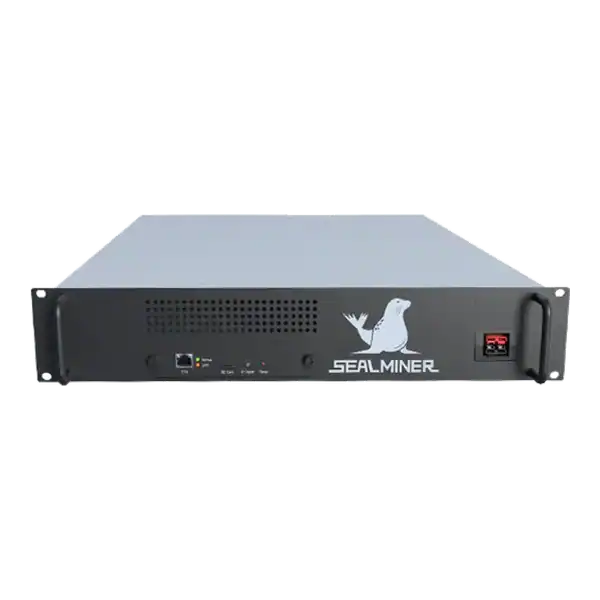

886TH
HASHRATE
9.45W/TH
EFFICIENCY
8373W
POWER
£898.19
EST. MONTHLY
NO PAYBACK
EST. ROI
BIP 388 Wallet Policies for Descriptor Wallets made simple. See what the proposal changes, its current status and what it means for Bitcoin users and operators.
This guide explains BIP 388 Wallet Policies for Descriptor Wallets in plain English. It covers the problem behind the BIP, why it matters and whether the proposal is part of Bitcoin today.
BIP 388 Wallet Policies for Descriptor Wallets: Key origins and xpubs reveal wallet structure. Prevent reuse of one signer key across unrelated policies where it undermines isolation, and protect exported policy data.
A node operator is checking BIP 388 Wallet Policies for Descriptor Wallets. A wallet policy contains a descriptor template with key placeholders and a key-information vector holding the corresponding extended keys and origin data.
BIP 388 is Complete, Specification, version 1.1.0 at the Applications layer. It defines interoperability, not Bitcoin consensus or mandatory device support.
A wallet policy contains a descriptor template with key placeholders and a key-information vector holding the corresponding extended keys and origin data.
One policy represents the descriptors needed for a logical account, commonly including receive and change. Aggregated flows should be shown when reviewing transactions.

The policy grammar intentionally narrows general descriptors so constrained signers can parse and display the policy without storing an arbitrarily large descriptor.
A hardware signer can register and authenticate a policy, then recognise it during signing. Registration must bind the exact template, ordered keys and account context.
Key origins and xpubs reveal wallet structure. Prevent reuse of one signer key across unrelated policies where it undermines isolation, and protect exported policy data.
Developers test the proposal with made-up data on an isolated test network. They check normal cases and deliberately invalid cases. Different implementations should reach the same result before anyone relies on the proposal.
BIP 388 Wallet Policies for Descriptor Wallets: Key origins and xpubs reveal wallet structure. Prevent reuse of one signer key across unrelated policies where it undermines isolation, and protect exported policy data.
BIP 388 is Complete, Specification, version 1.1.0 at the Applications layer.
A wallet policy contains a descriptor template with key placeholders and a key-information vector holding the corresponding extended keys and origin data.
One policy represents the descriptors needed for a logical account, commonly including receive and change.
BIP 388 makes descriptor accounts practical to review on constrained signers by separating structure from key data. Safety depends on exact policy registration, deterministic derivation and recovery evidence across every participating device.
Check the current specification status and the documentation for the exact implementation you operate before moving production funds or changing a mining node.

BIP 450 guide to Draft Formosa themed mnemonic stories, entropy and checksum mapping, theme JSON, BIP39 conversion, passphrases and recovery safety.
BIP 393 guide to Draft descriptor annotations for birth height, gap limit and Silent Payment max label, checksum rules, parsing and recovery safety.
BIP 392 guide to Draft sp() descriptors, spscan and spspend encodings, watch-only and full-wallet forms, key origins, recovery and validation.
Join the ASIC Mining Discussion
Members can read and join the discussion
Log in to read comments from other miners. Create a free account if you would like to ask a question or share your experience.
Membership helps us protect the discussion from spam and keep answers useful.